Published review
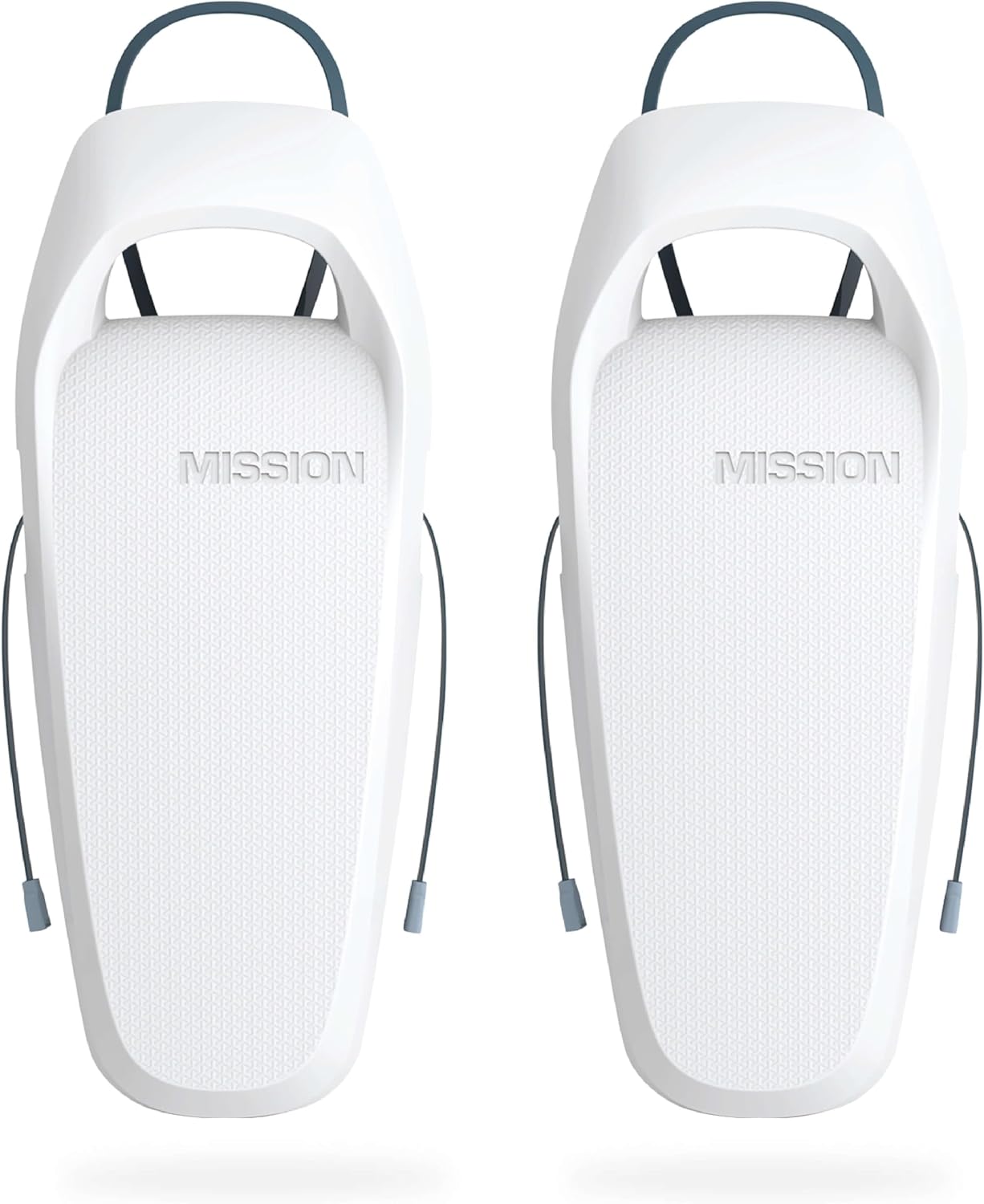
MISSION SENTRY 2.0 Boat Fenders
Specification-based look at fit, adjustment and practical limitations for modern low-profile boats.
Read the review →How much does it cost to fuel a boat for your next trip? Enter your distance, cruising speed, measured fuel burn and local price to estimate fuel use and cost. The reserve field adds fuel to carry; it does not increase the estimated fuel burned.
Enter the total trip distance in nautical miles, the average cruising speed in knots and the boat's fuel burn in gallons per hour. The calculator estimates underway time, multiplies it by hourly fuel use, then applies your local fuel price. The reserve field adds a planning allowance to the estimated fuel quantity.
Use a measured cruise fuel-burn figure for your exact boat, engine, propeller and normal load whenever possible. Brochure numbers and another owner's results may not reflect your setup.
Wind, waves, current, hull fouling, trim, passengers, gear and extended idling can all increase fuel use. A simple cost calculator cannot determine whether a trip is safe or whether the selected reserve is adequate for the route and conditions.
Recalculate when your load, route or expected weather changes. For wider ownership planning, use the boat maintenance cost guide and keep manufacturer procedures plus applicable navigation guidance ahead of any estimate.
Use the boat fuel tank guide to compare type, capacity, loaded weight, venting and connector fit before using this calculator to estimate trip fuel.
The estimate assumes the entered cruising speed and burn rate throughout the trip. Plan separately for idling, detours and other operating conditions. The reserve setting is an allowance you choose, not a recommended universal reserve rule.
Using example inputs of 40 nautical miles, 20 knots, 8 gallons per hour and $4.50 per gallon, underway time is 2 hours. Estimated fuel burned is 16 gallons and trip fuel cost is $72. With a 33% allowance, the planning quantity is 21.28 gallons, displayed as 21.3 gallons.
These are demonstration values, not a current fuel price or a typical burn rate for every boat. If the 40 nautical miles covers only the outward leg, include the return distance before calculating.
For related ownership expenses, see our boat maintenance cost guide. Use the maintenance checklist to plan routine checks alongside your trip budget.
The price per gallon depends on the fuel type, location and seller. This calculator does not show live marina prices. Enter a current quote from the fuel dock you plan to use; $4.50 is an editable example, not a current price.
For a trip, multiply estimated gallons burned by the price per gallon. To estimate the cost of filling a tank instead, multiply the gallons you need to add by the quoted price. Tank capacity is not the same as the amount needed to refill it.
Use measured gallons per hour at your intended cruising speed for your exact boat and load. This calculator multiplies that rate by underway time. It does not predict consumption from boat length or engine horsepower.
No. Trip cost covers the estimated fuel burned. The reserve percentage increases the displayed planning quantity. Fuel carried as reserve is not automatically consumed; the selected allowance is not a guarantee that a voyage has enough fuel.
The current inputs use US gallons, nautical miles and knots. Convert liters to US gallons by dividing by about 3.78541, and kilometers to nautical miles by dividing by 1.852. Enter price per US gallon, not price per liter.
Enter the entire planned distance, including the return leg and detours you want to budget. The calculator does not add a return trip automatically. Allow separately for idling or other operation that is not represented by the cruise estimate.
Updated October 11, 2026. Method: arithmetic based on the operating values you enter. No live fuel-price feed is used.
Only completed, source-checked product reviews appear here. This collection will grow to eight products as new reviews are published.
Specification-based look at fit, adjustment and practical limitations for modern low-profile boats.
Read the review →