Boat Bilge Cleaning: Safe Steps for a Cleaner Bilge
Contain oily water, clean in a safe order and leave the pump ready to work.
Clean the bilge safely →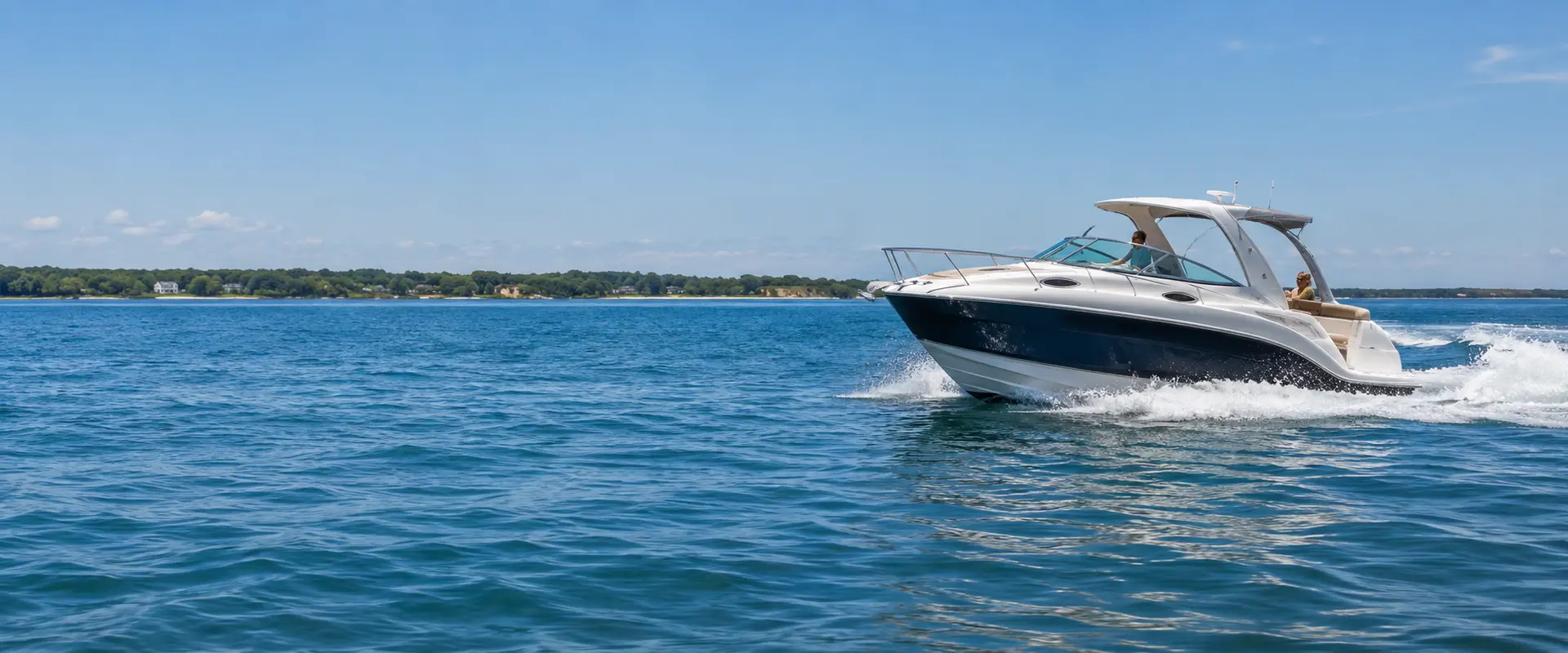
Clear boat maintenance help, fishing boat setup advice, useful calculators and carefully verified product guidance, organized into two dedicated libraries.
Choose the product library, then answer category and use questions to get a shortlist drawn only from completed, source-checked reviews.
Make a useful first estimate before you read the deeper guide or consult a qualified marine professional.
The eight newest completed reviews appear on each page in the Boat and Fishing Boat libraries.
Docking, maintenance, storage, watersports, batteries and general marine equipment.
Fish finders, electronics, accessories, rod organization, trolling motors and maintenance gear.
General boat ownership and fishing-specific guidance now have separate article collections.
Maintenance and ownership guidance for reliable, safer time on the water.
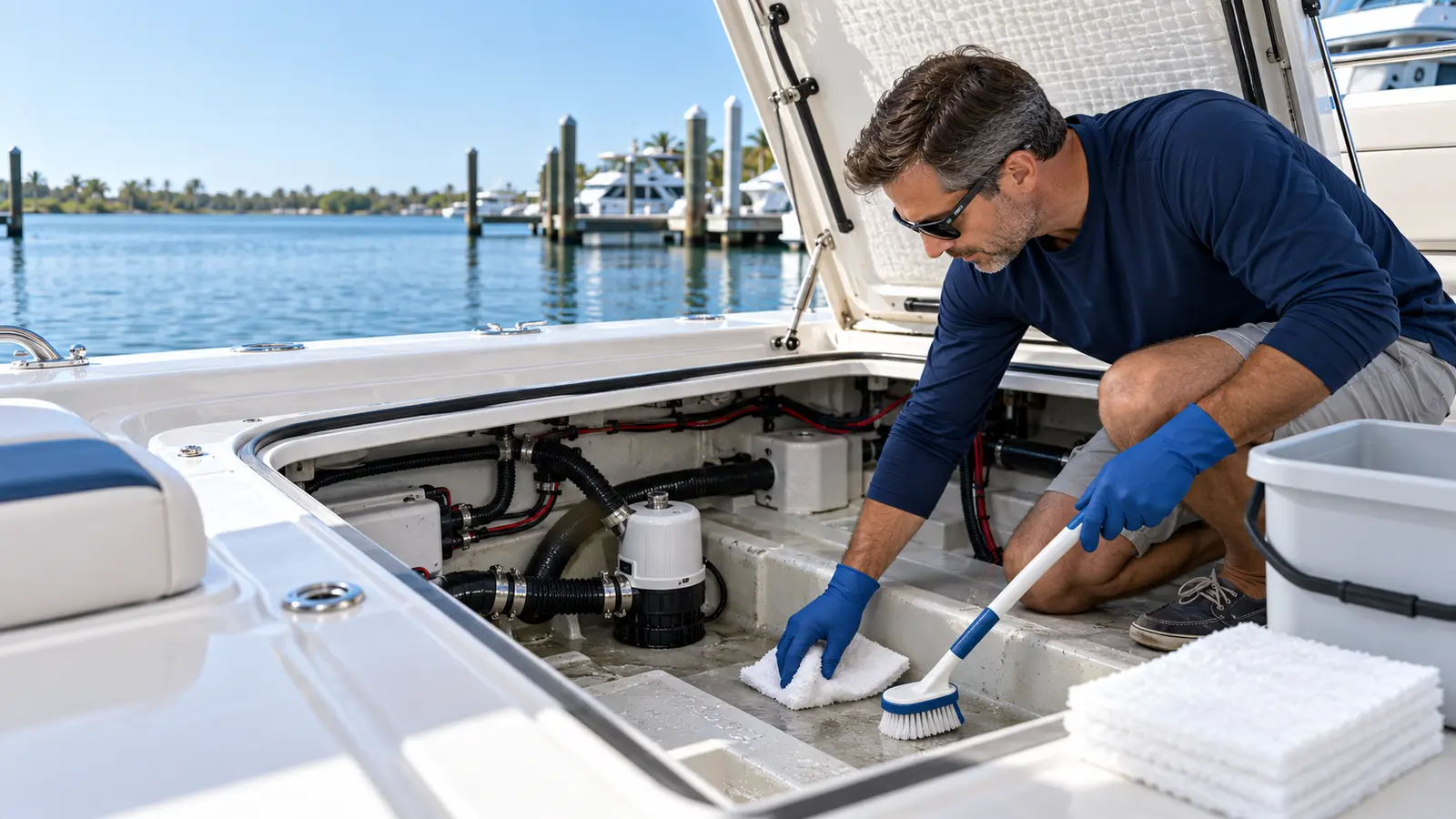
Contain oily water, clean in a safe order and leave the pump ready to work.
Clean the bilge safely →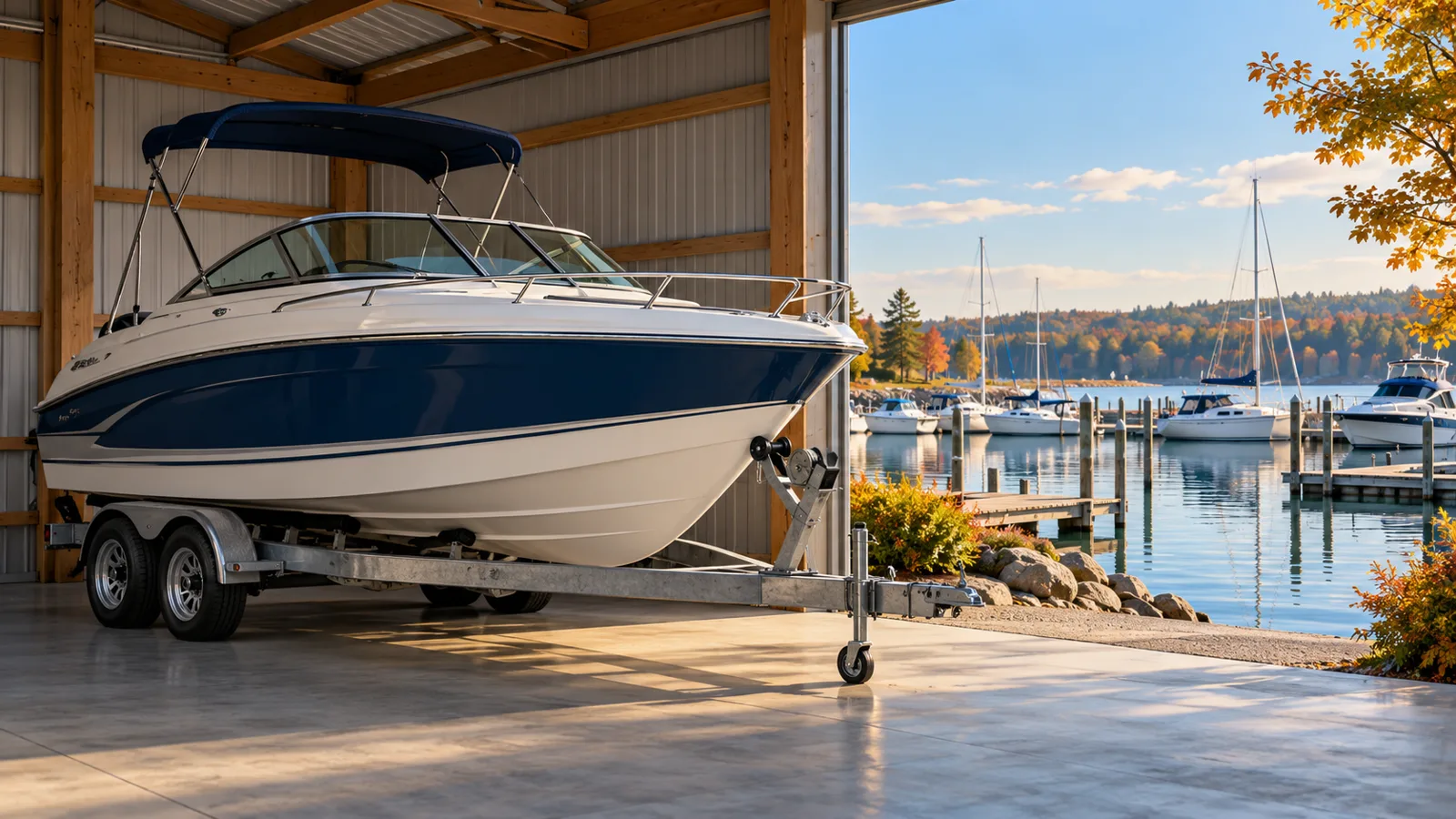
Compare six storage options by fit, access, protection and the full written quote.
Compare storage options →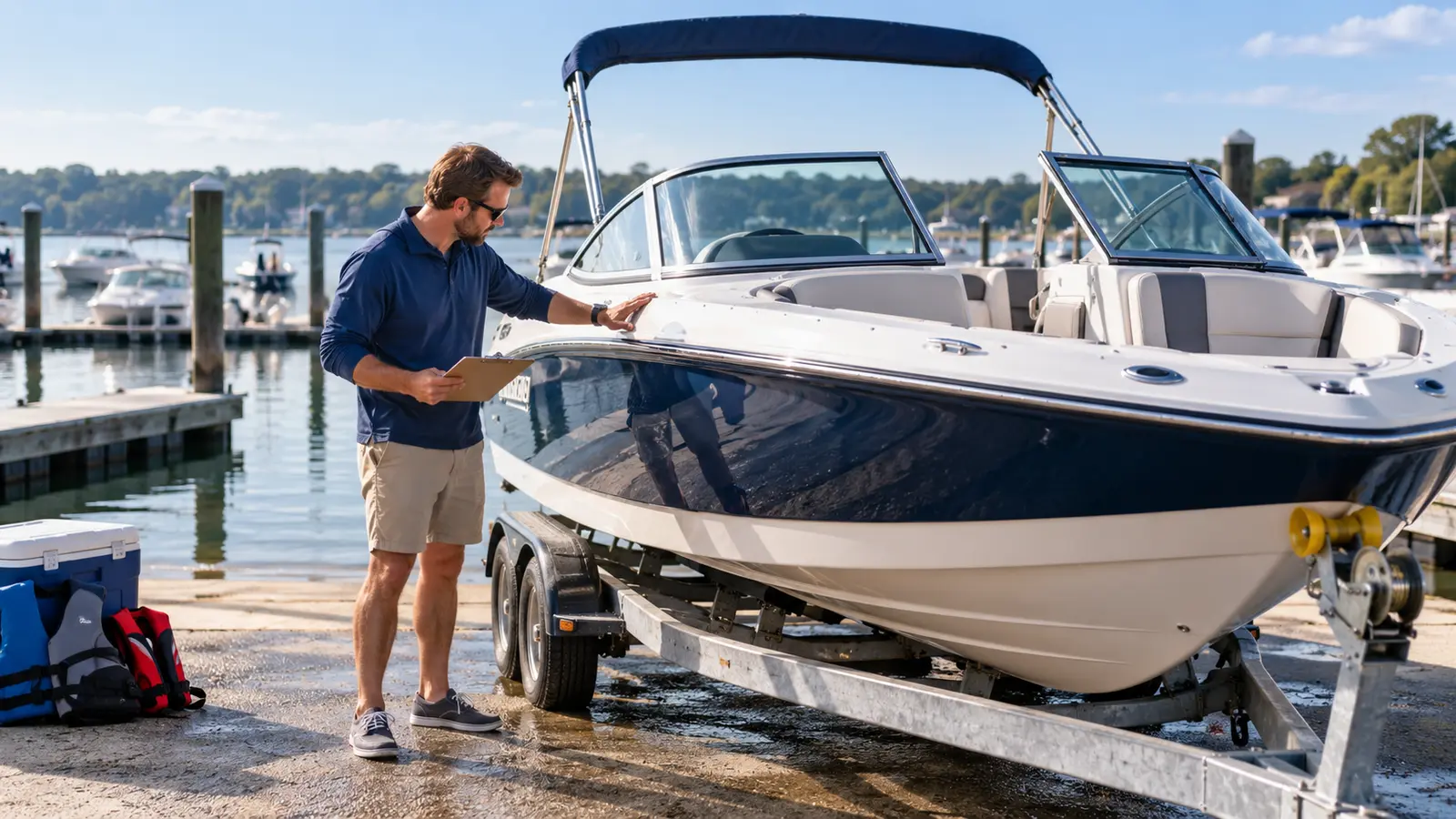
Choose a manageable first boat, price the full ownership plan and verify the package before signing.
Use the buying checklist →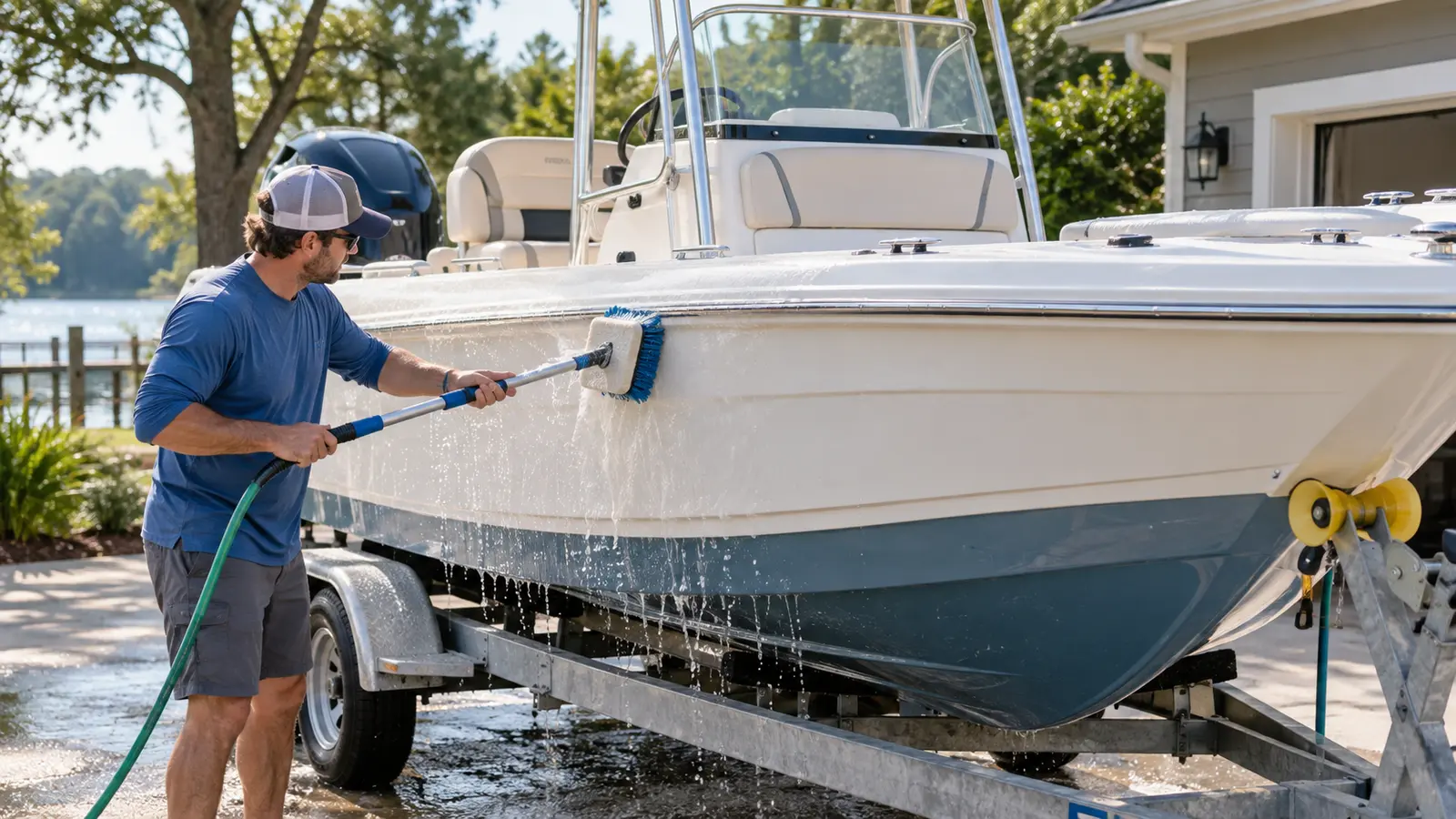
Follow a surface-safe wash sequence for the hull, deck, upholstery, glass, metal and engine exterior.
Follow the wash sequence →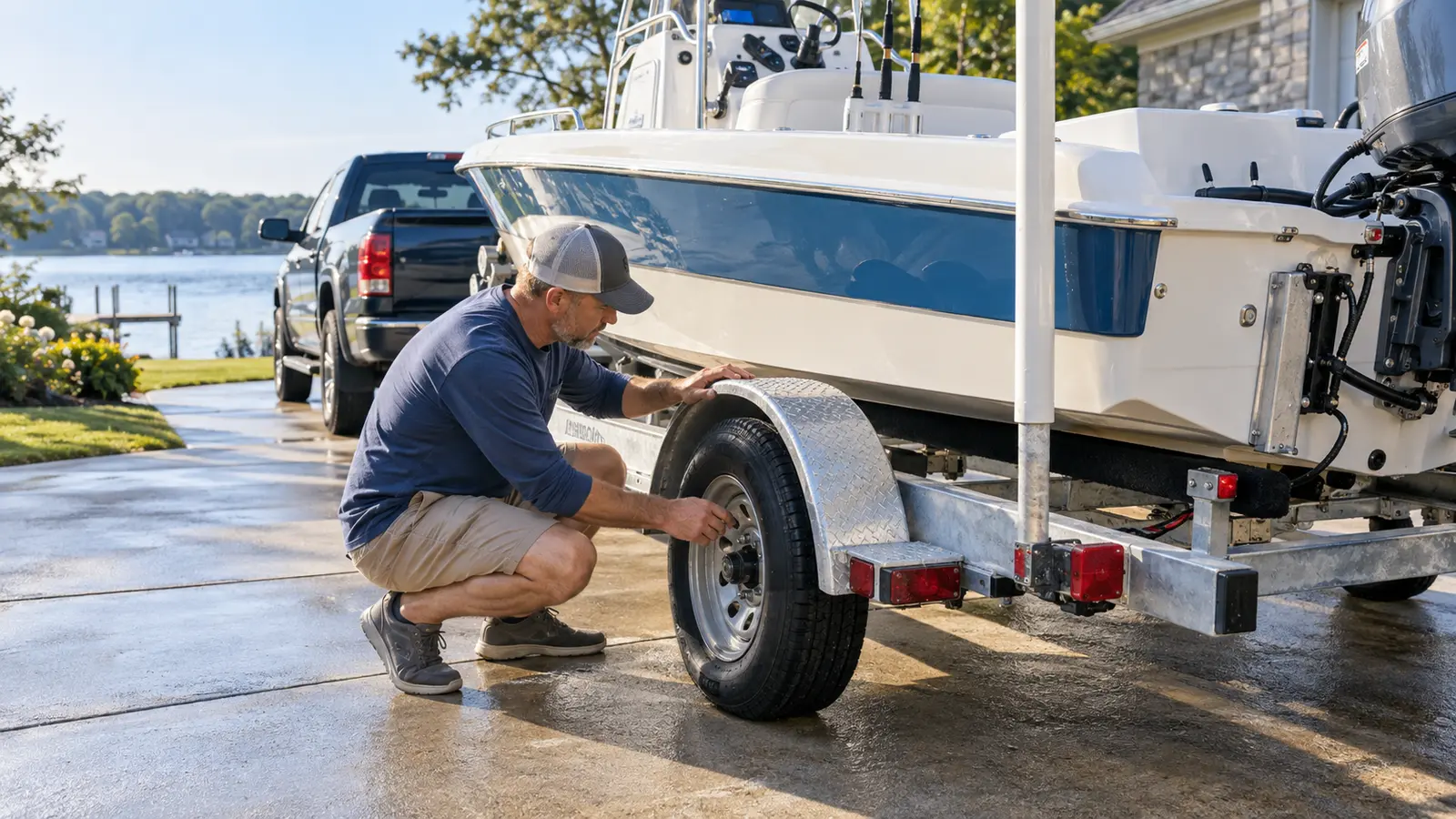
Inspect tires, bearings, brakes, lights, coupling hardware, supports and corrosion-prone parts.
Use the checklist →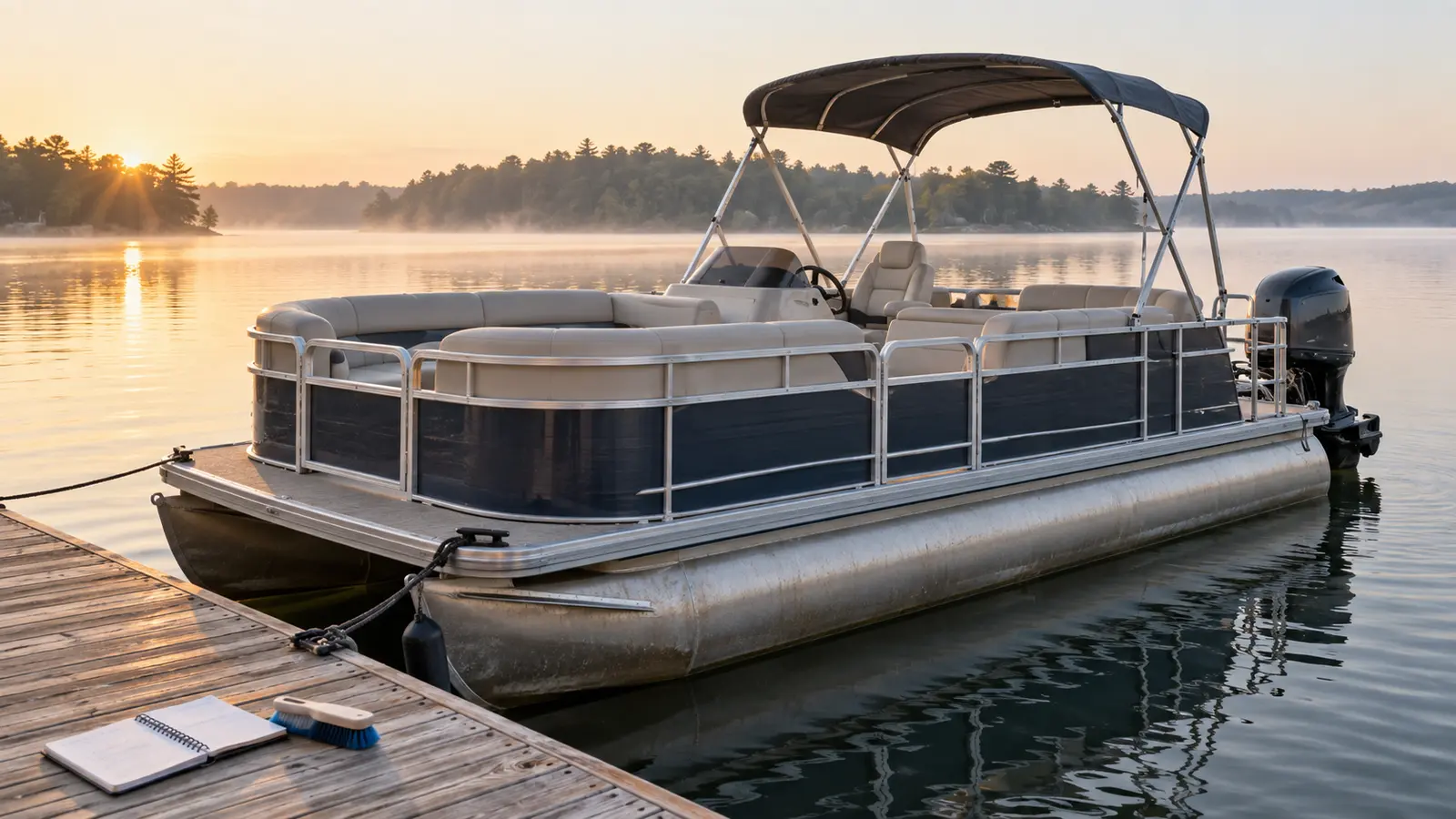
Build a practical routine for pontoons, upholstery, hardware, systems, the outboard, trailer and seasonal storage.
Read guide →Practical guidance for fishing boat setup, organization, electronics and time on the water.
Learn the four-minute pre-start rule, the after-fueling sequence and the stop conditions that override the timer.
Use the blower checklist →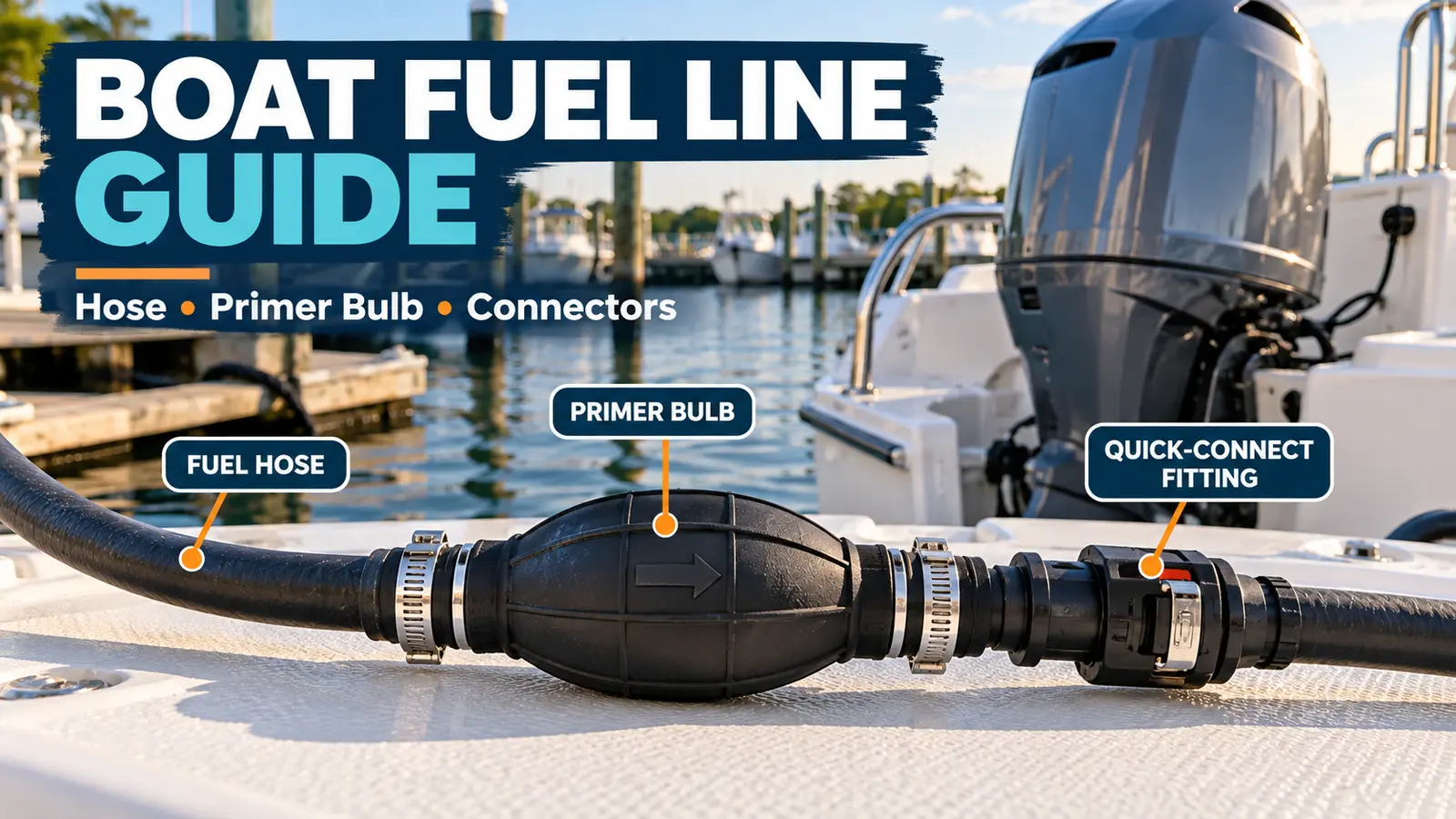
Choose hose rating, size, primer bulb, connectors and routing as one matched fuel path.
Inspect the complete fuel line →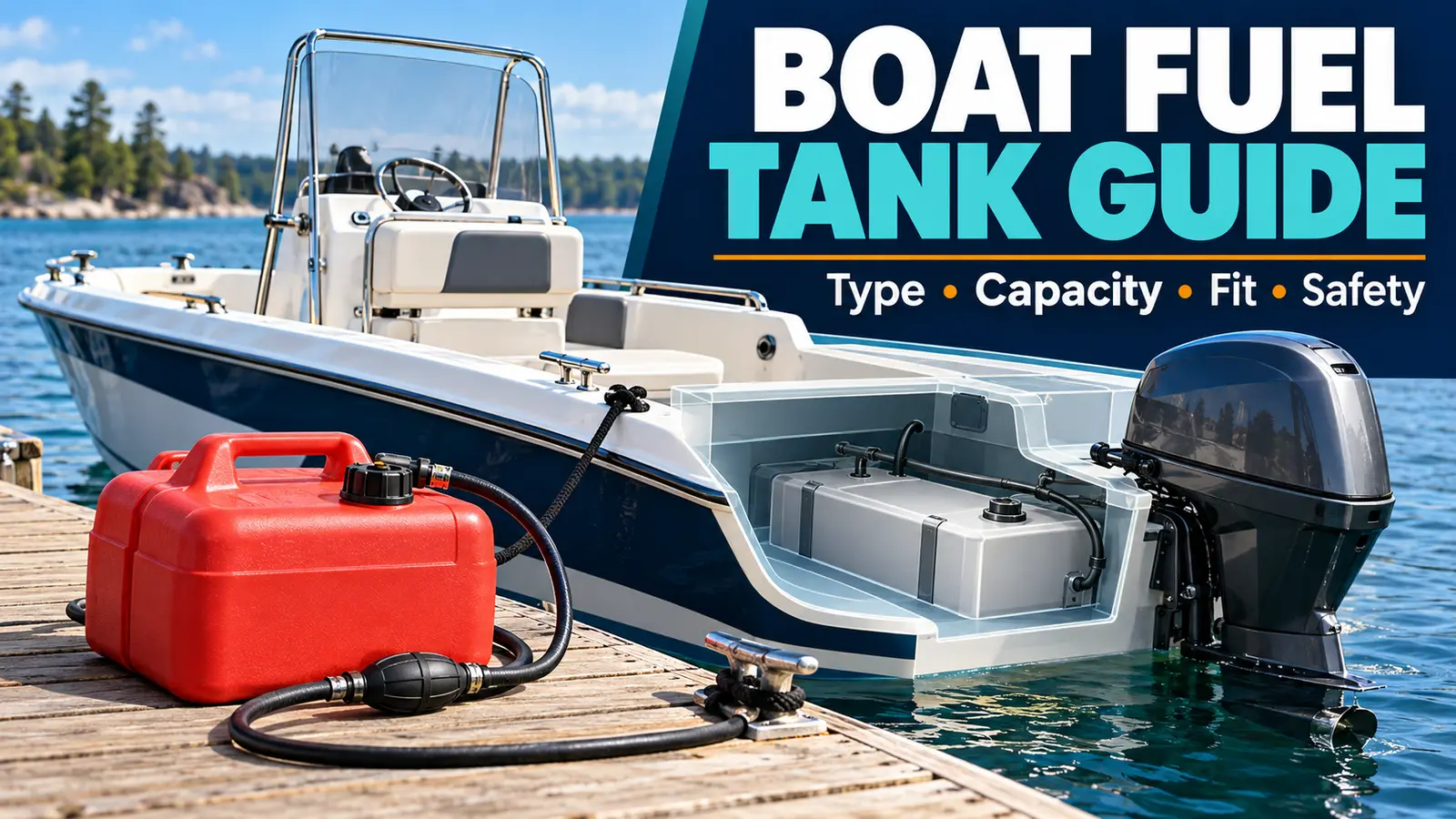
Compare portable and permanent tanks, then check capacity, venting, connections and safe fit.
Choose the right fuel tank →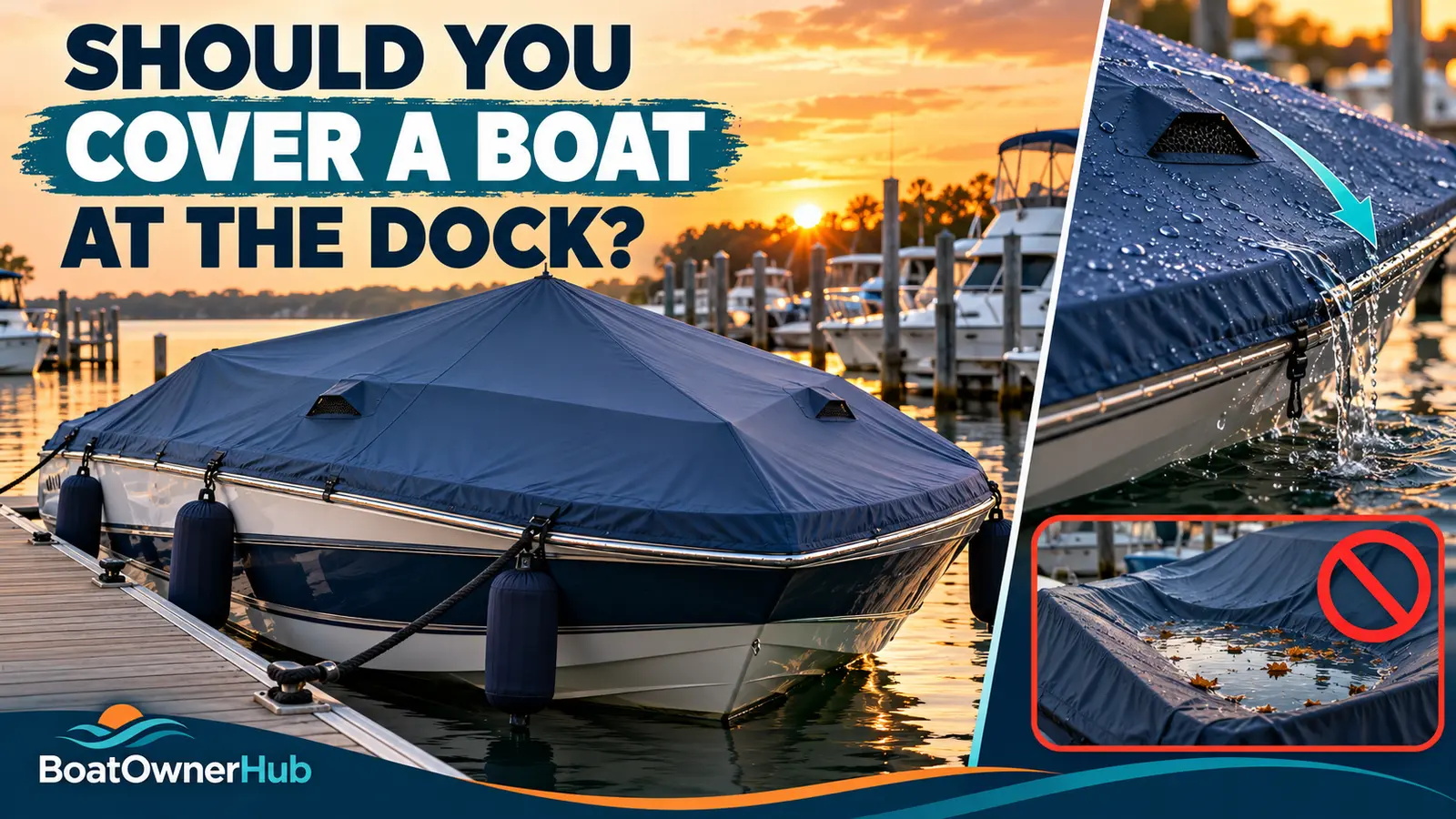
Choose the right dockside cover, then manage ventilation, support, drainage and inspection.
Use the dock-cover checklist →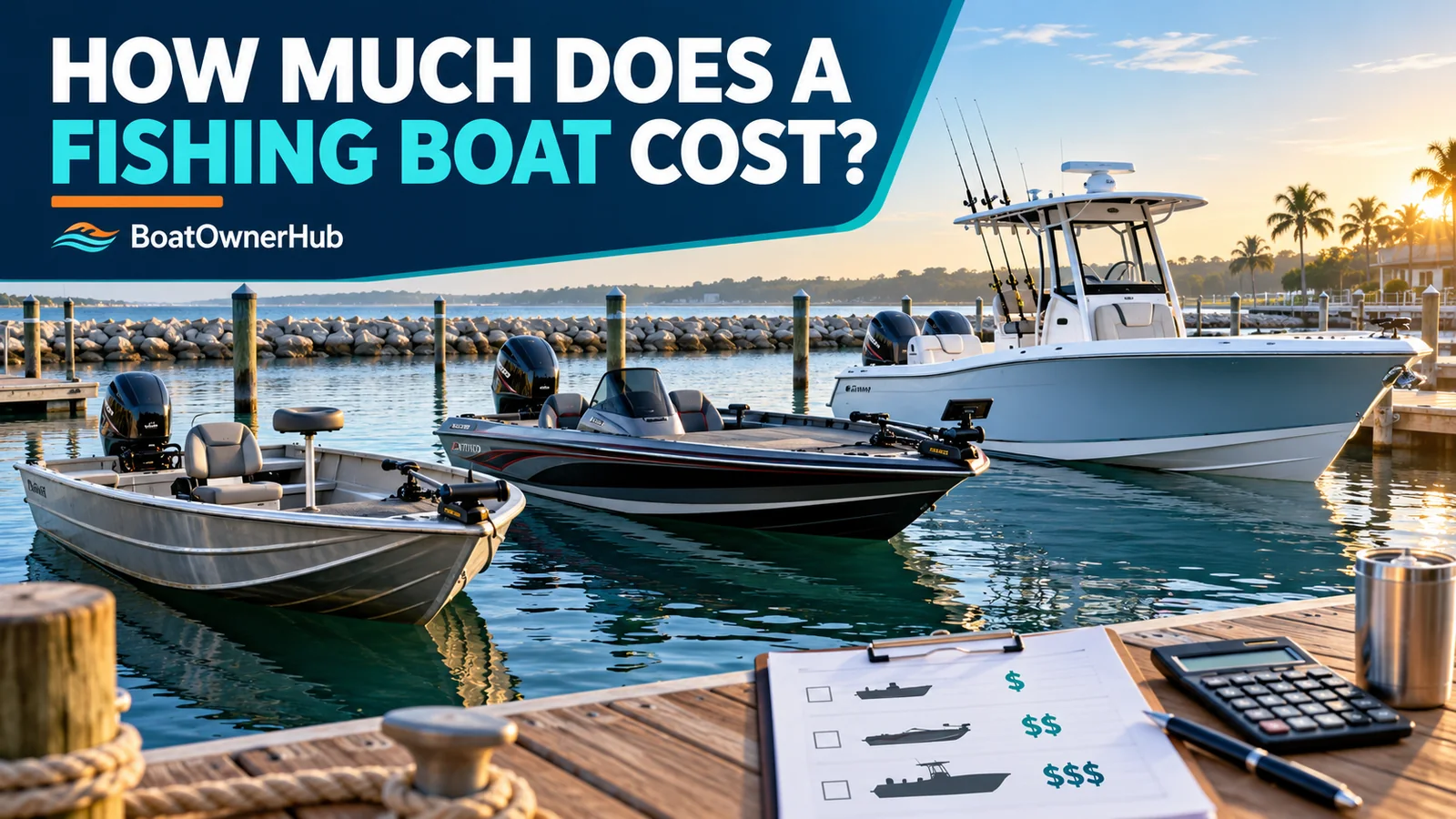
Compare current package examples, then budget for the trailer, tax, storage, insurance, fuel and maintenance.
Build the full fishing boat budget →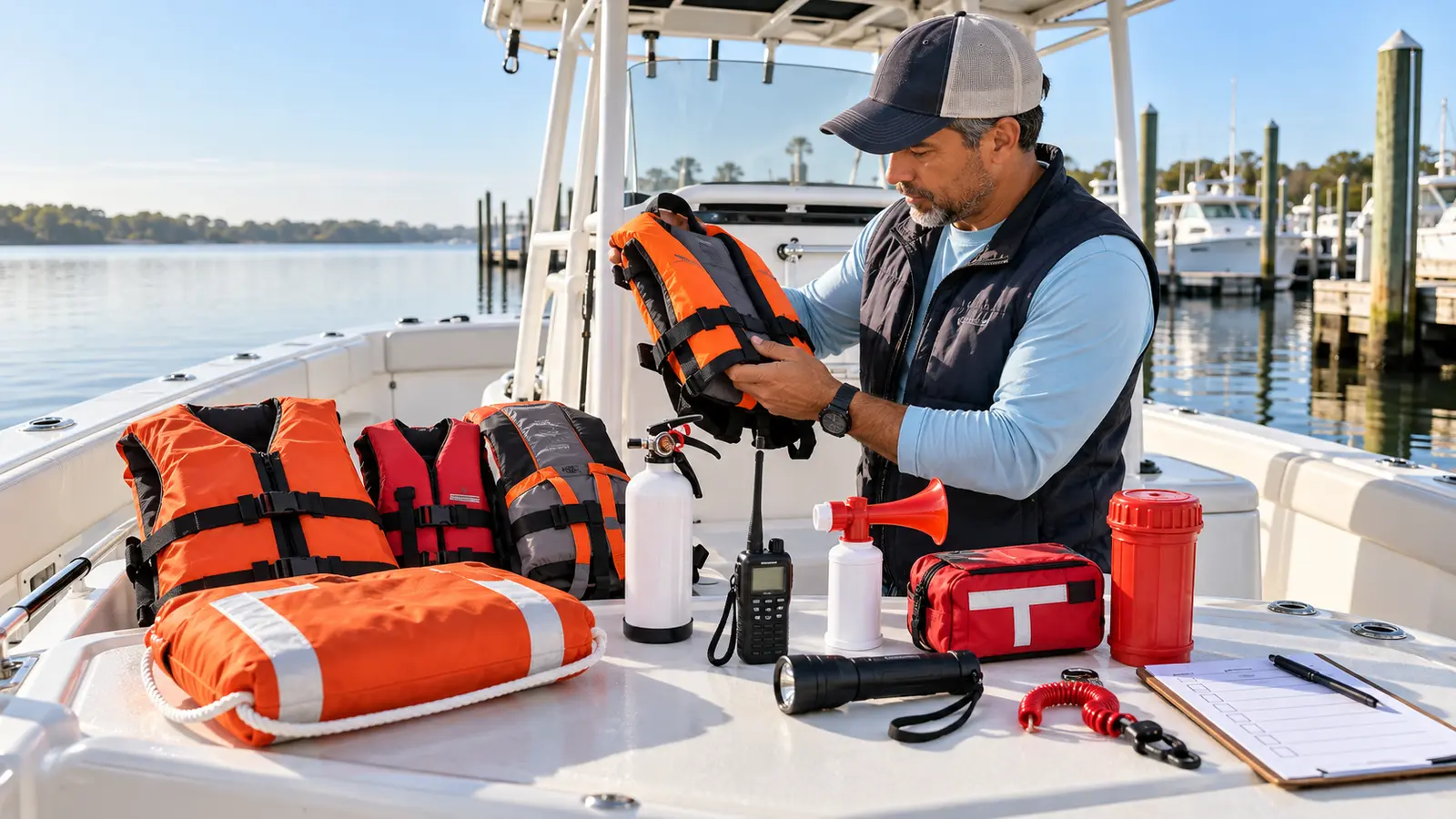
Match required gear to vessel length, propulsion and waters, then verify condition and access.
Check your safety equipment →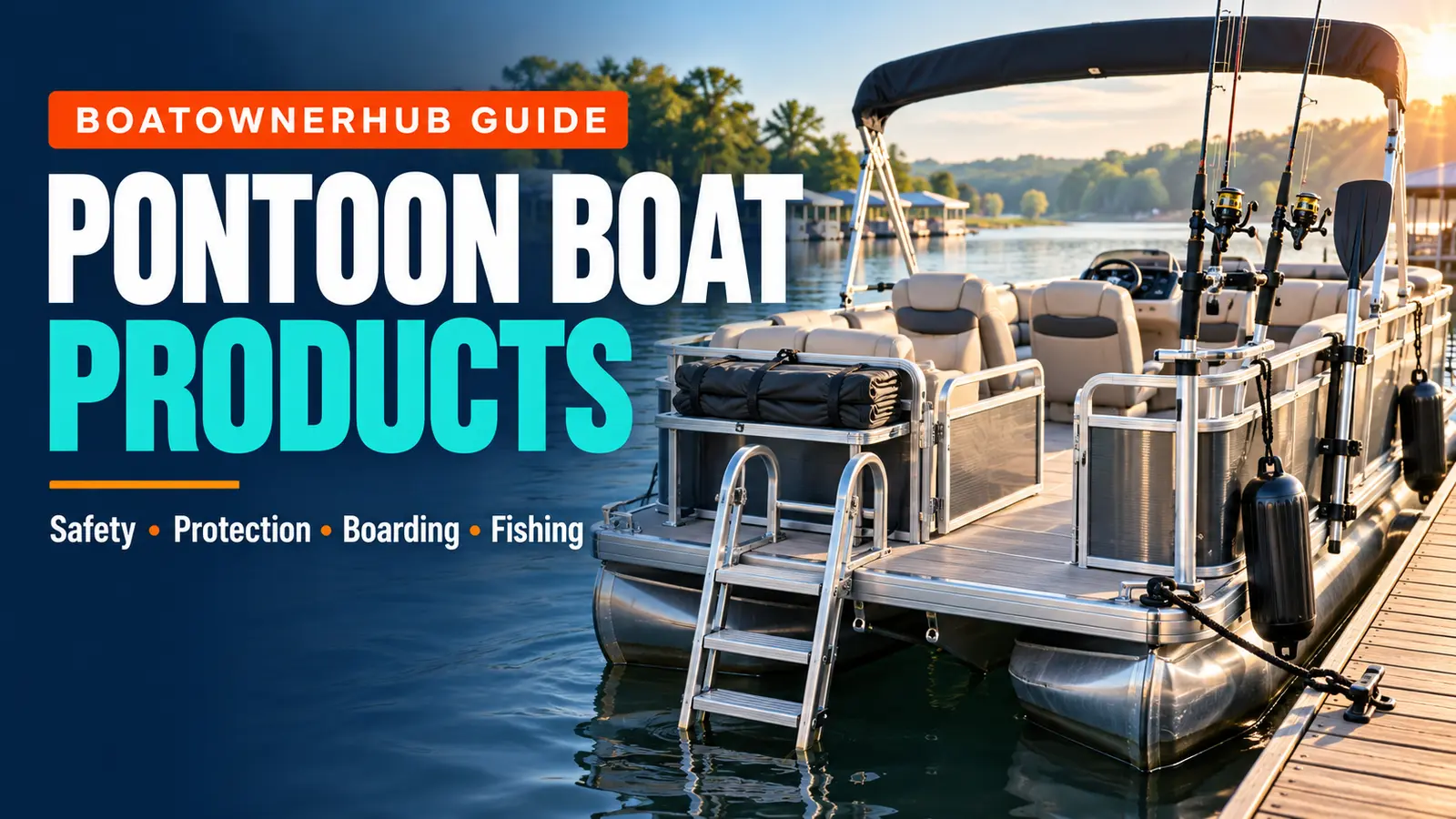
Prioritize safety, boarding, protection and fishing upgrades, then verify fit before buying.
Read guide →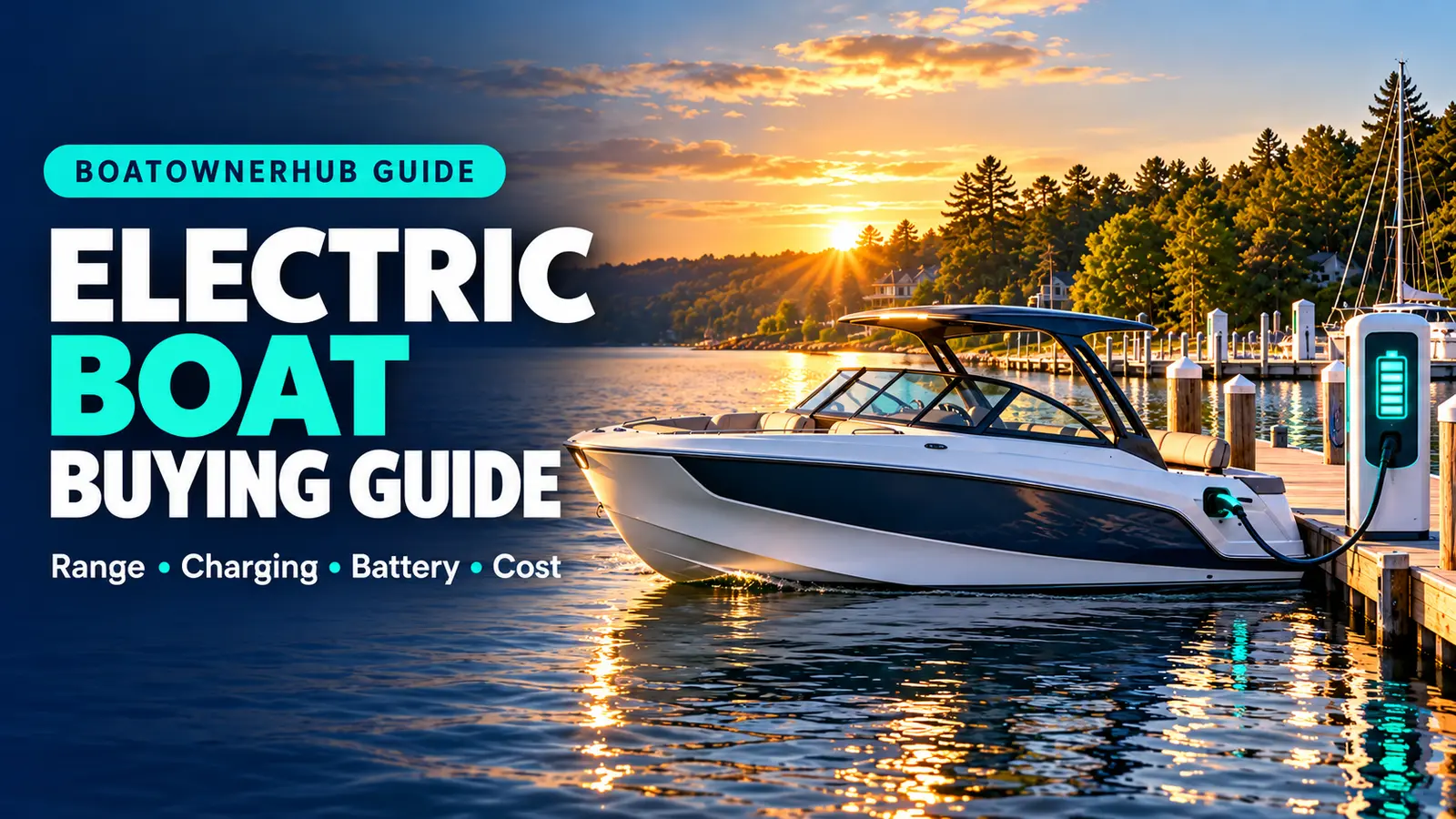
Compare range, charging, battery support, performance and ownership cost before choosing an electric boat.
Compare electric boats →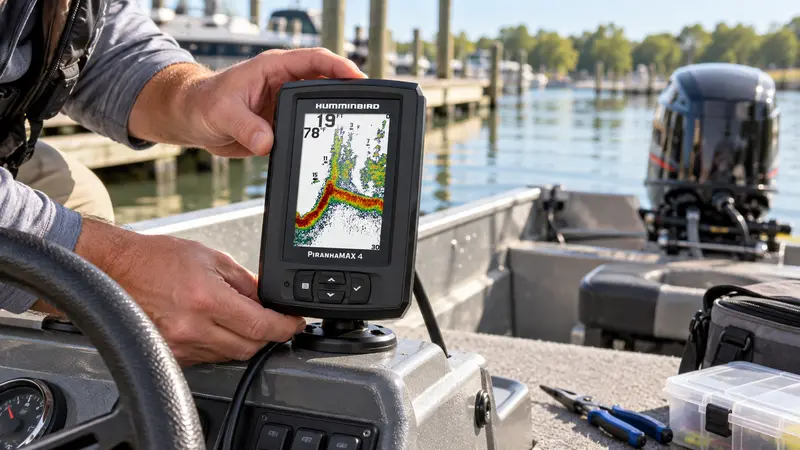
Mount the display and transducer, route cables, connect power safely and complete the in-water test.
Open the installation guide →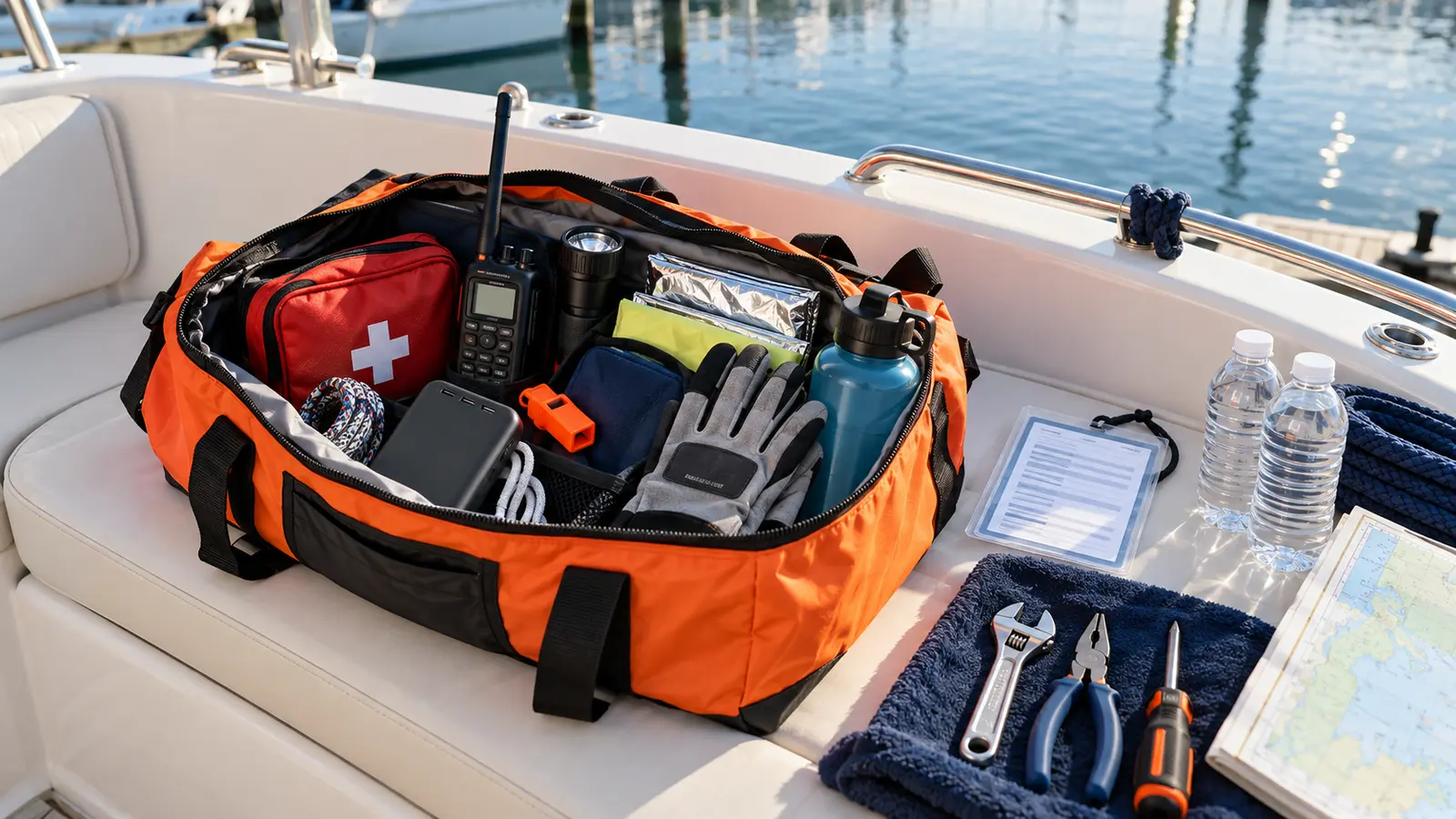
Build a reachable kit for communications, first aid, signaling, exposure, backup power and boat-specific damage control.
Build your emergency kit →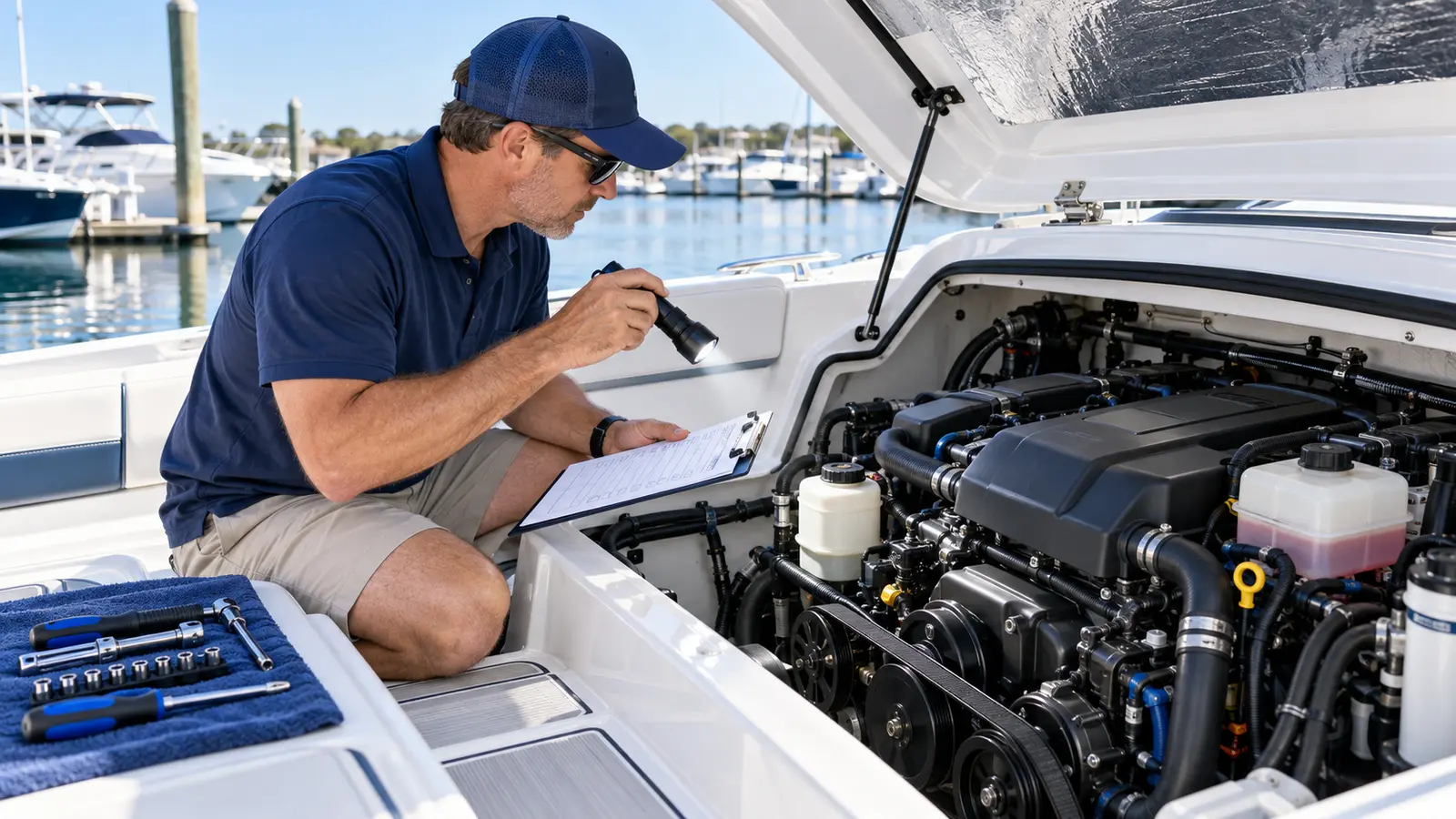
Build a manual-first plan for fuel, cooling, fluids, electrical systems, exhaust and running gear.
Follow the inboard checklist →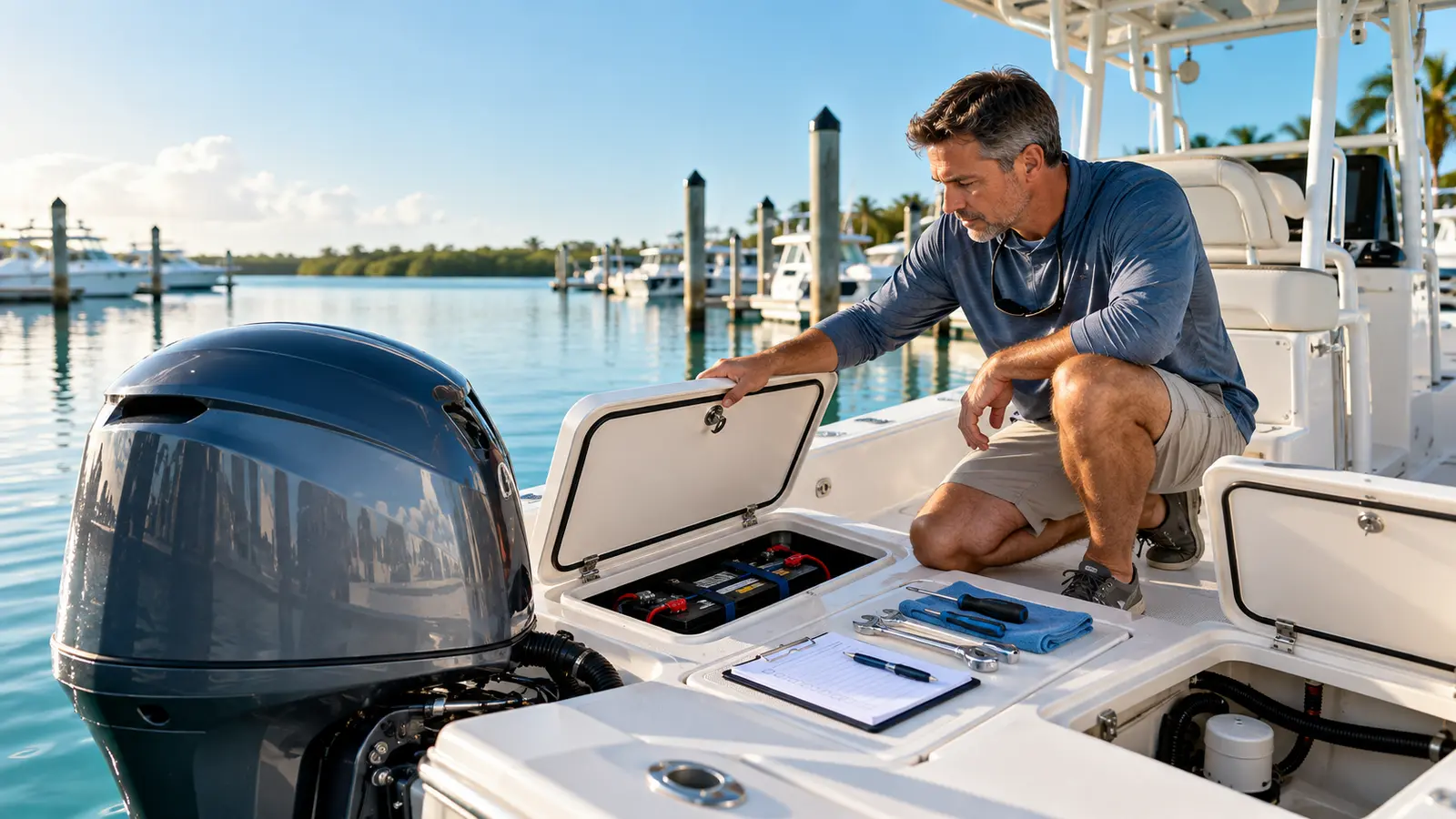
Triage no-start, overheat, fuel, battery, bilge, steering and vibration symptoms in a safer order.
Start troubleshooting →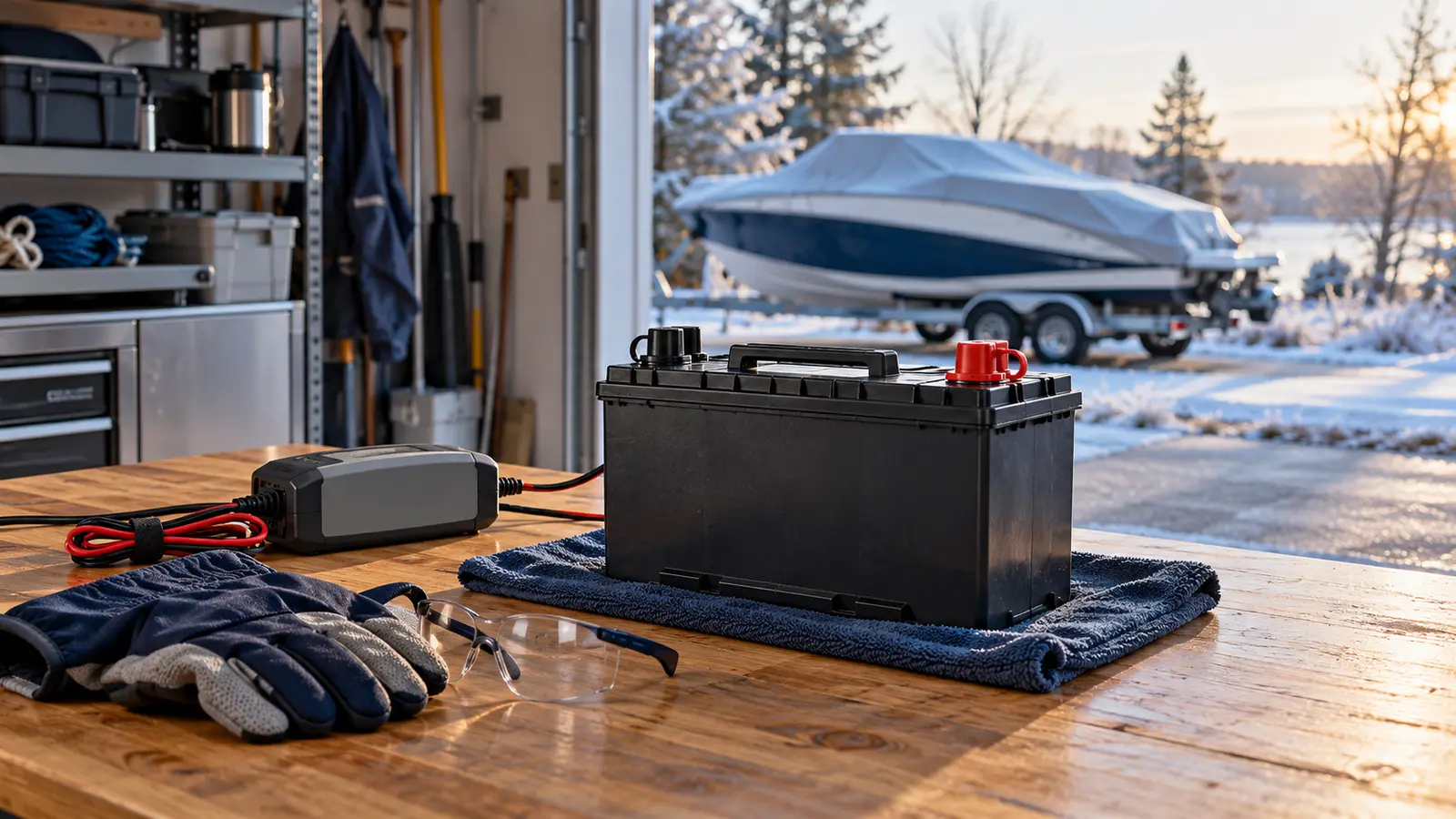
Prepare, isolate and monitor a marine battery through winter with a chemistry-first storage plan.
Use the winter storage checklist →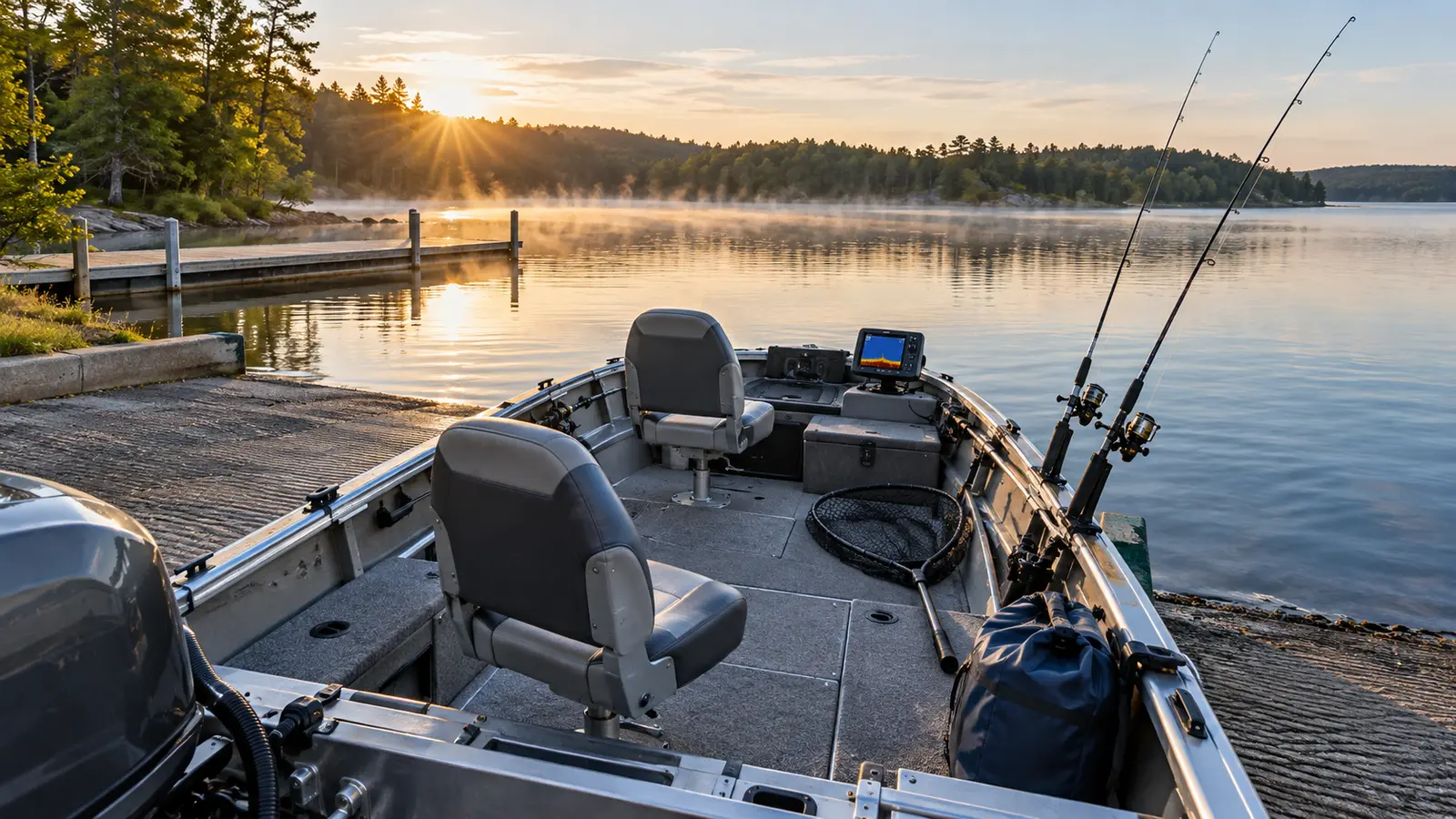
Choose useful sonar, storage and handling upgrades by fit, mounting, wiring and real boat use.
Plan an aluminum boat setup →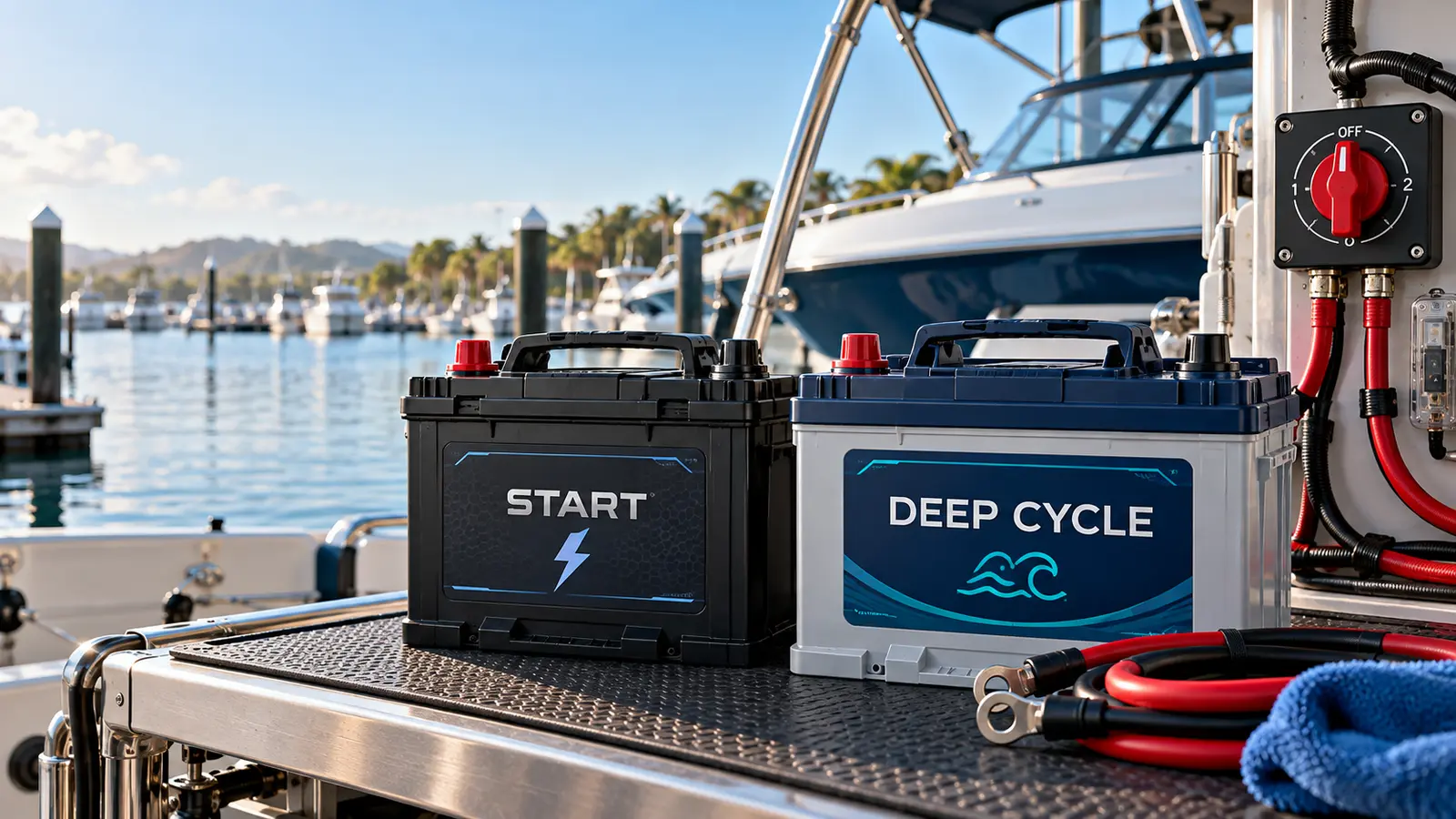
Compare cranking output, cycling, ratings and bank layouts before choosing a marine battery.
Choose the right battery role →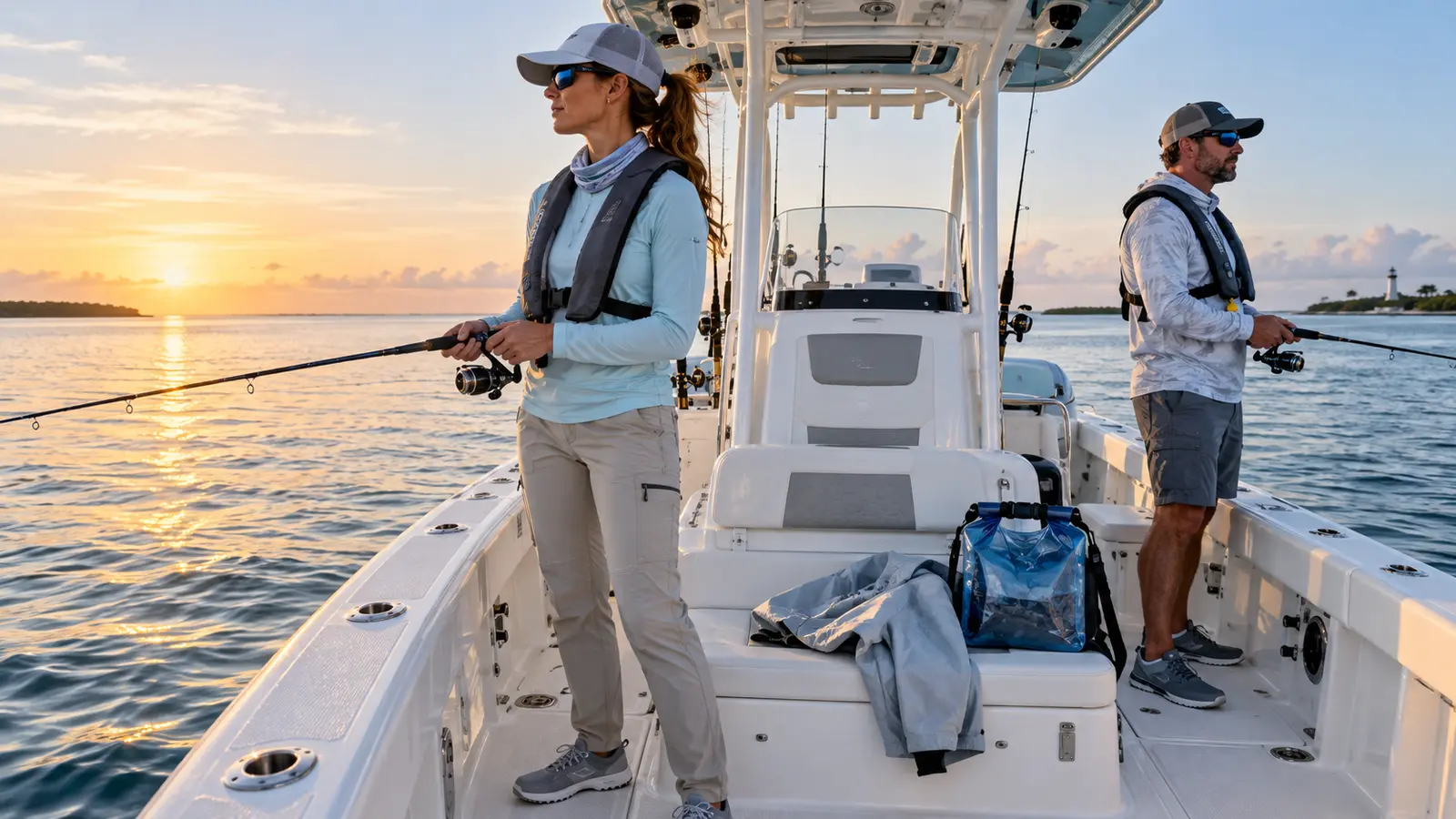
Choose layers, sun protection, a life jacket and secure deck shoes for the water and forecast.
Build the right outfit →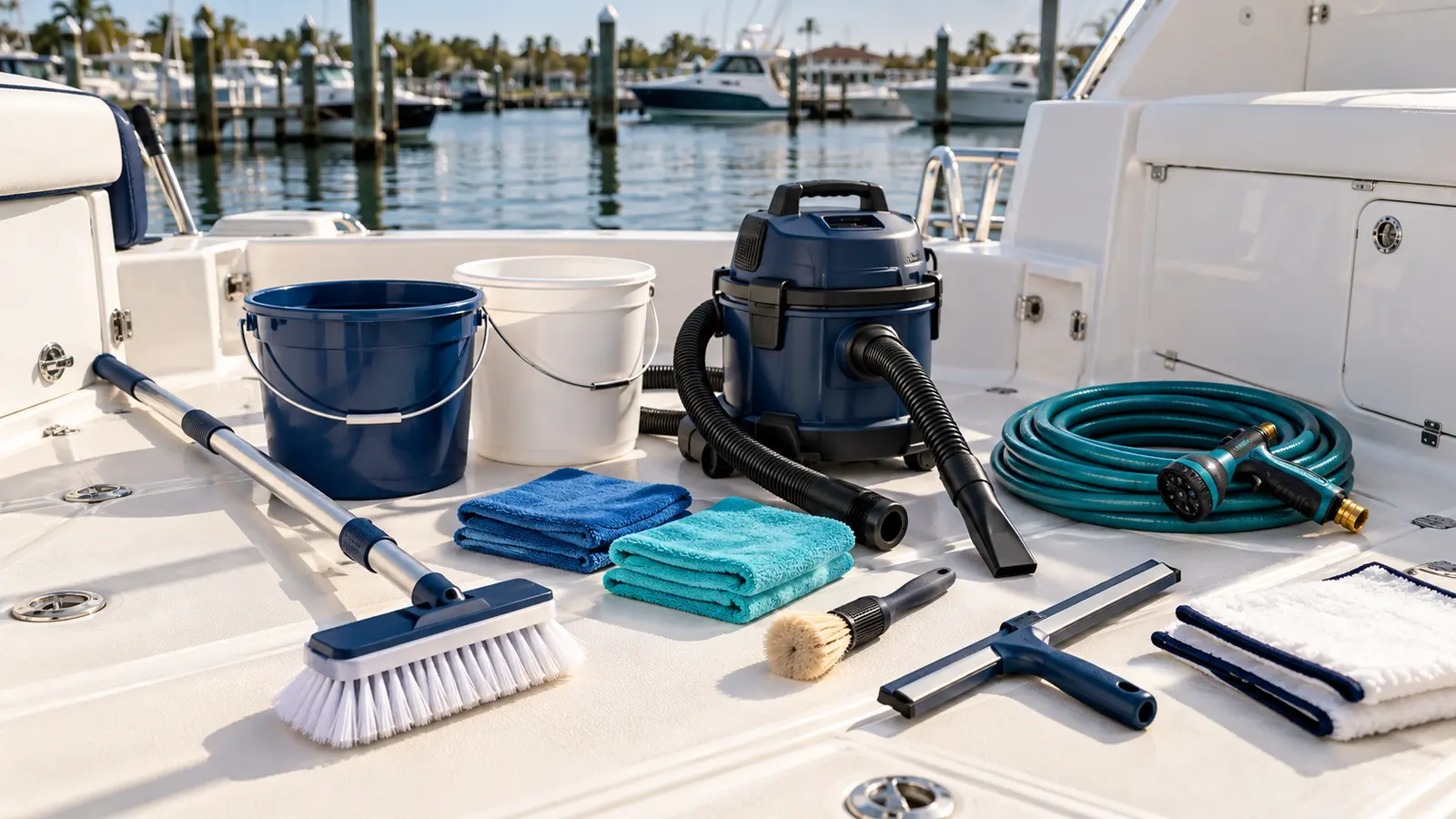
Build a compact surface-aware kit with the brushes, cloths, hose gear and vacuum tools that solve real cleaning jobs.
Build the right cleaning kit →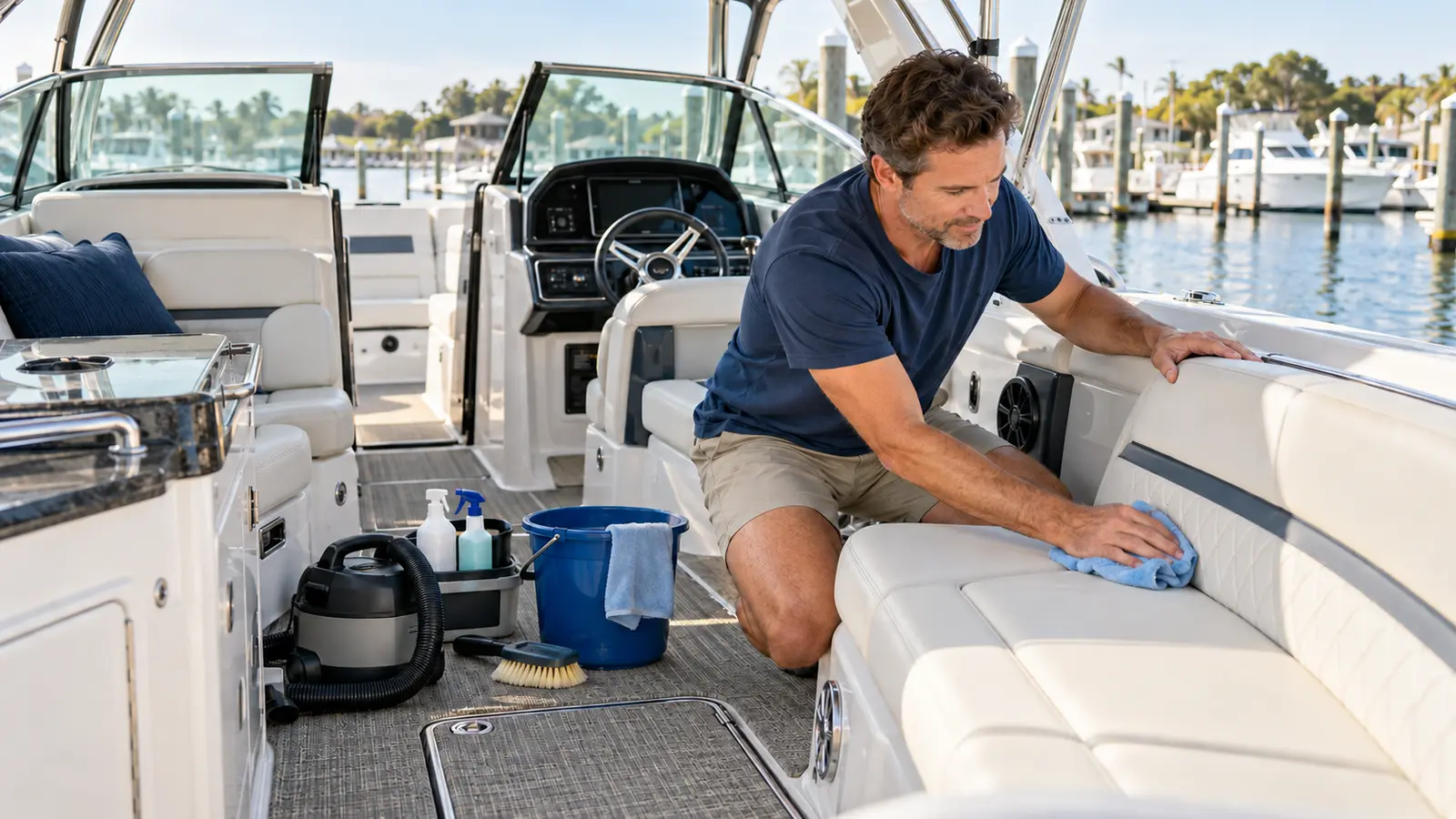
Clean vinyl, fabric, flooring, hard panels, windows and helm areas without treating them as one material.
Clean the interior safely →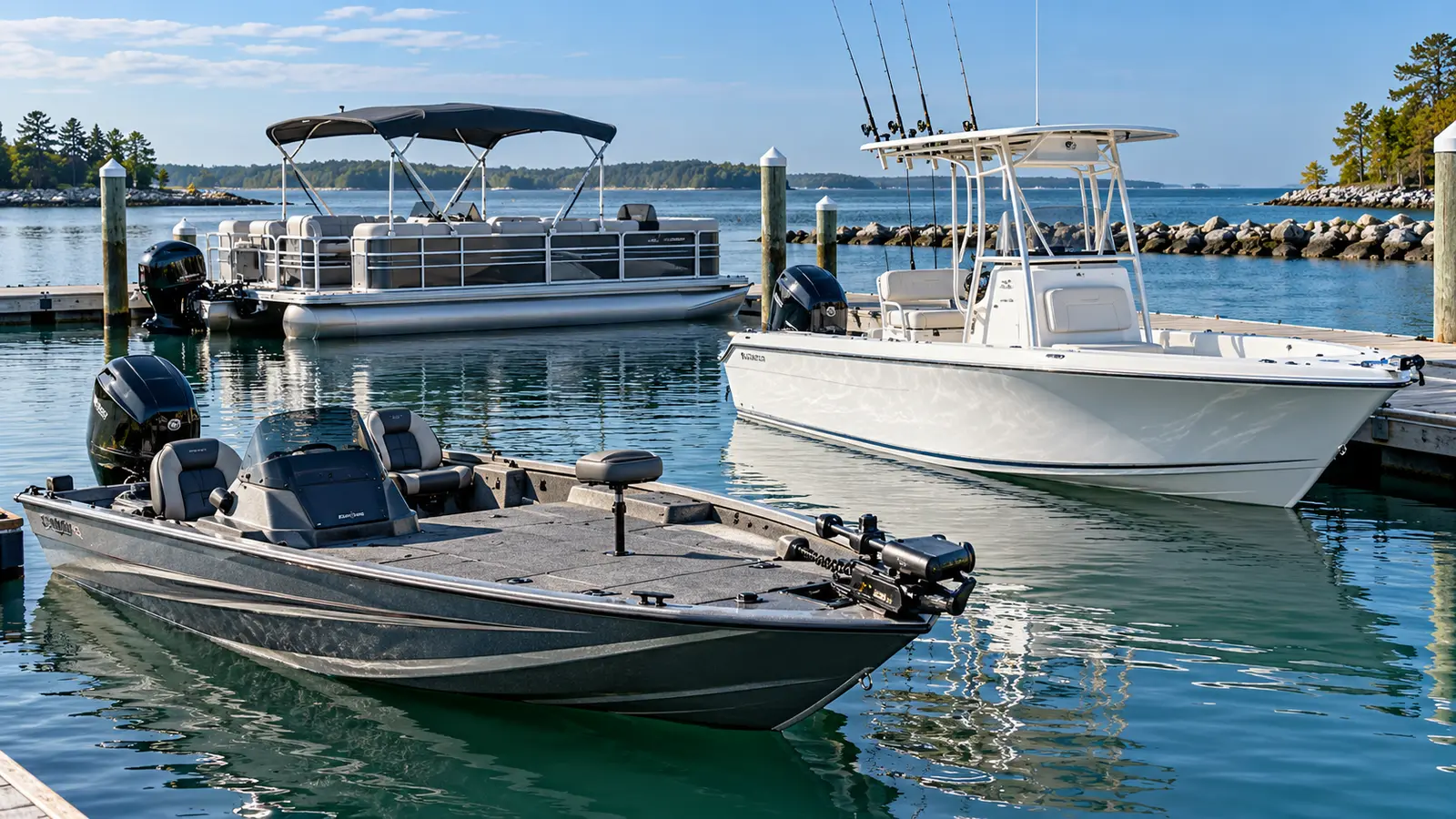
Match bass boats, skiffs, center consoles, pontoons and portable craft to the water and fishing you actually do.
Compare fishing boat types →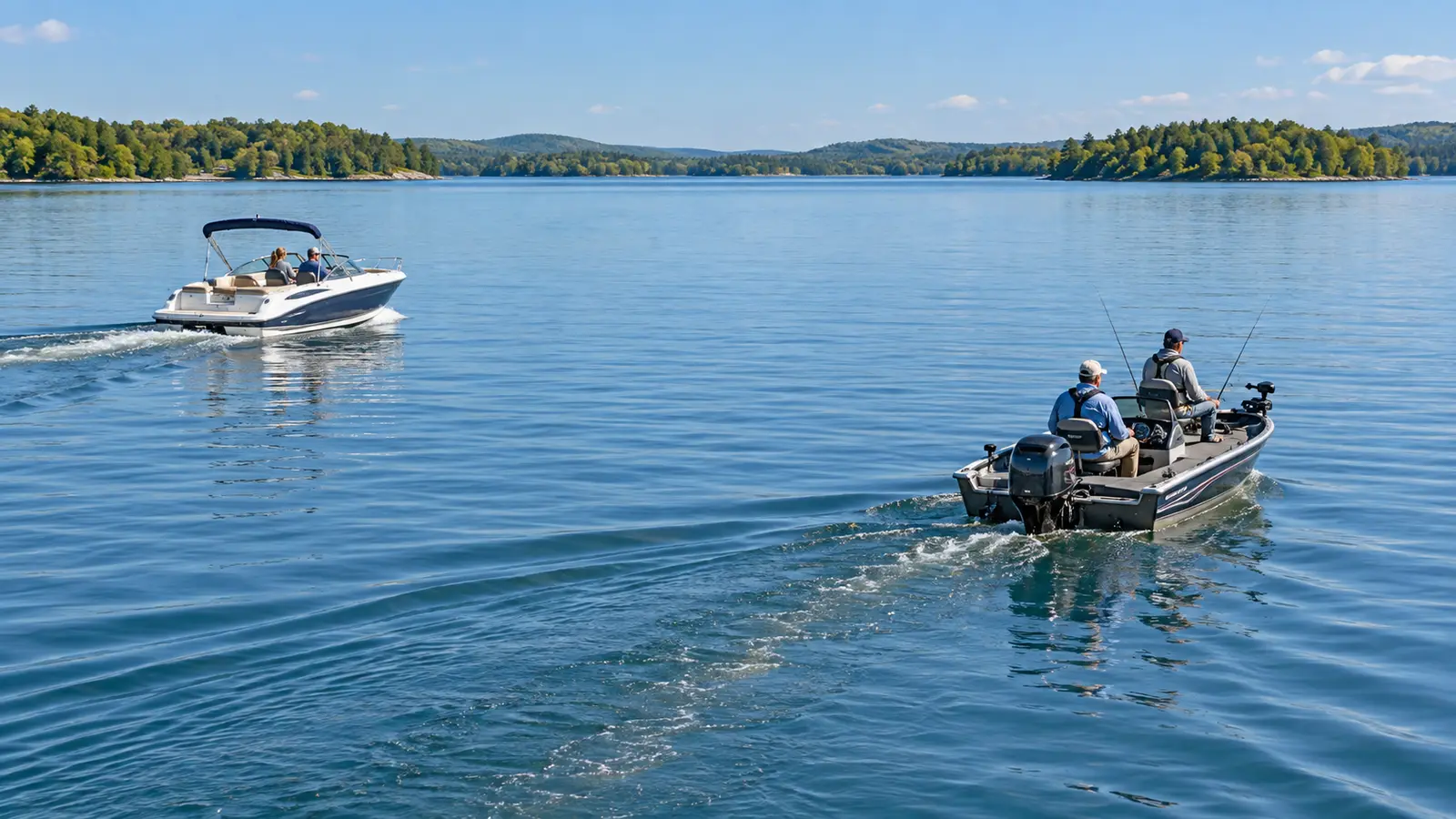
Slow early, control your wake and follow the overtaking rules until the other boat is fully clear.
Learn the safe passing steps →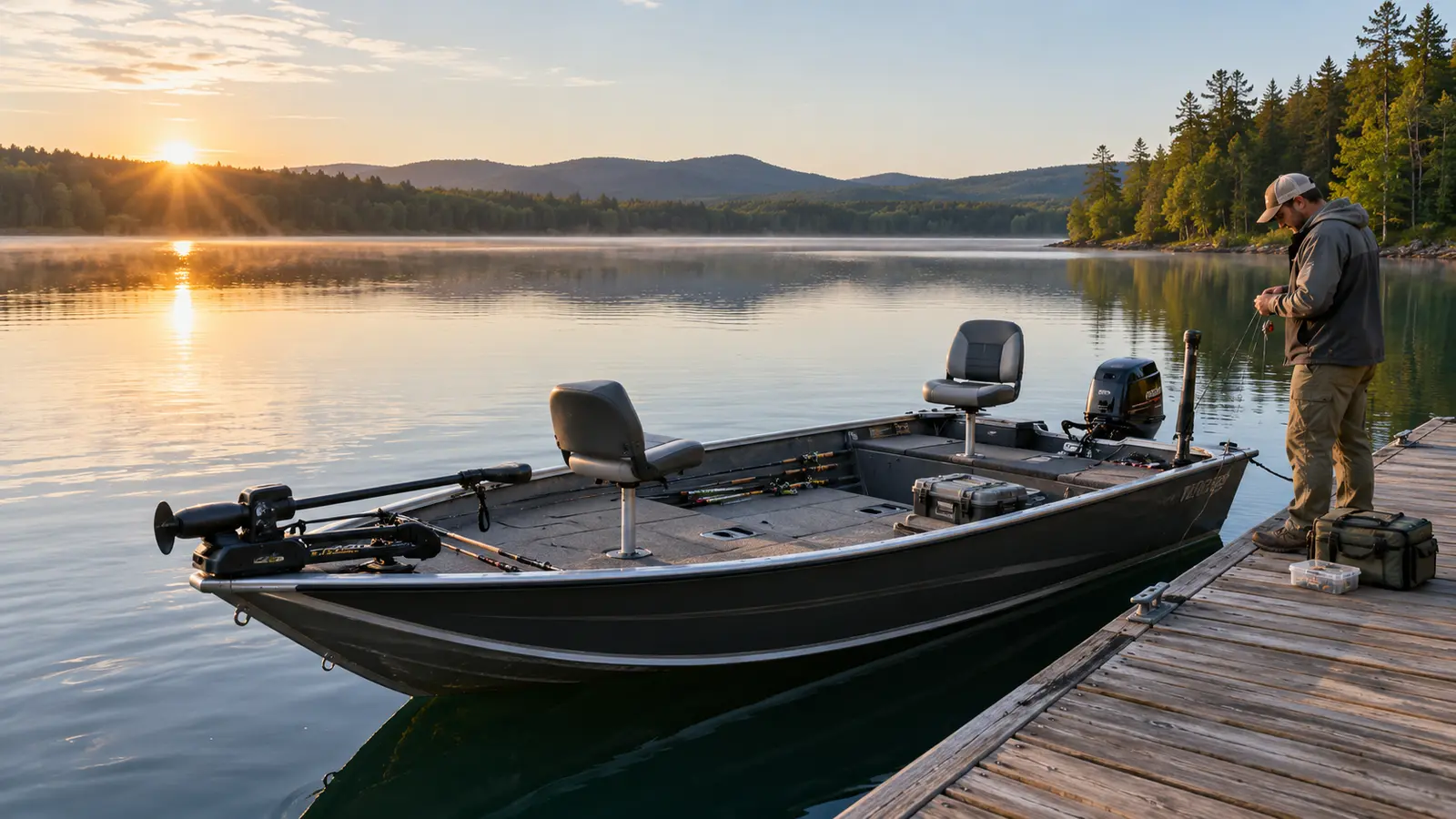
Match the hull, size, layout, power and trailer to the lake and crew you will actually use.
Choose the right type →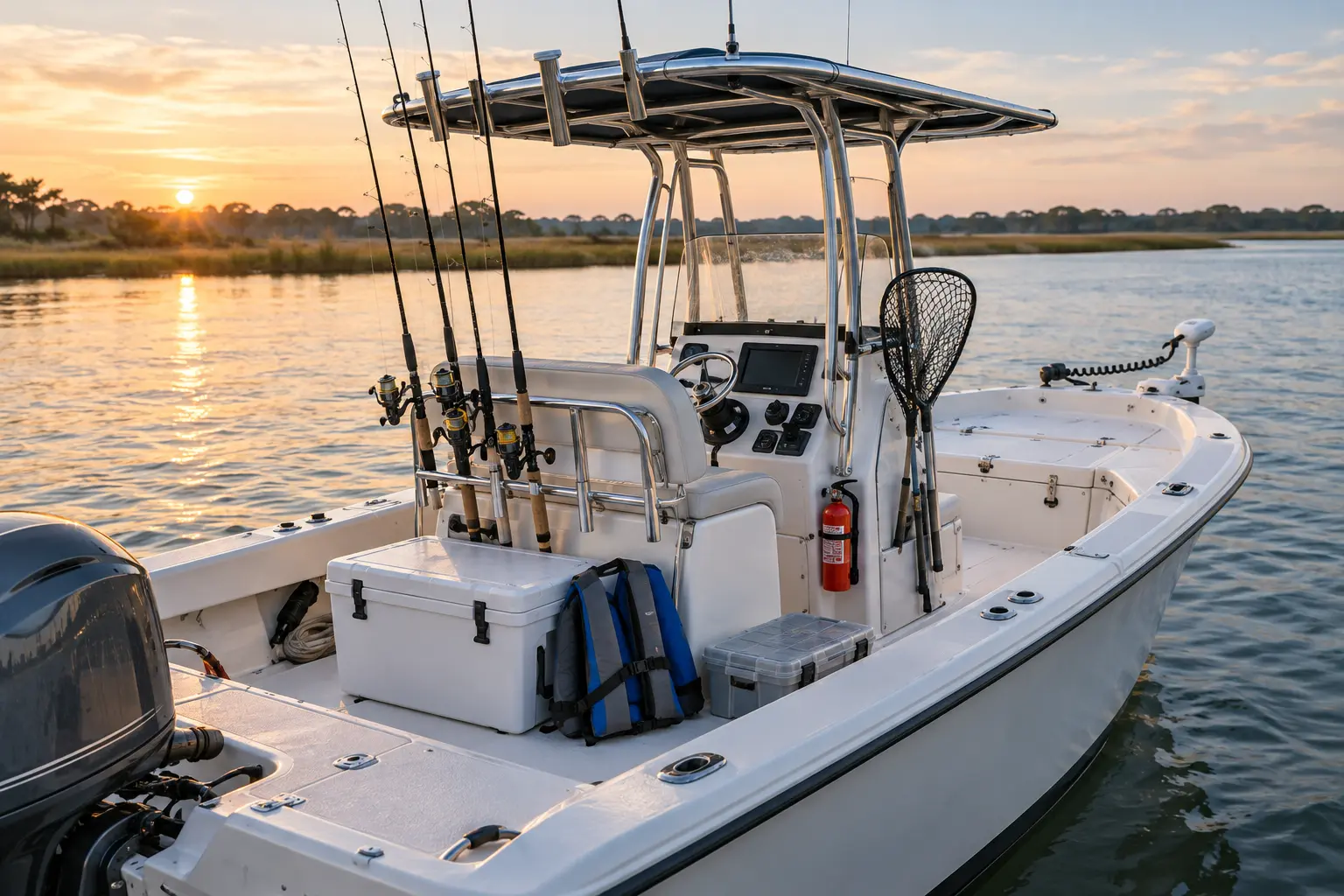
Build a first-trip list around safety, current rules, compact tackle and secure storage.
Use the checklist →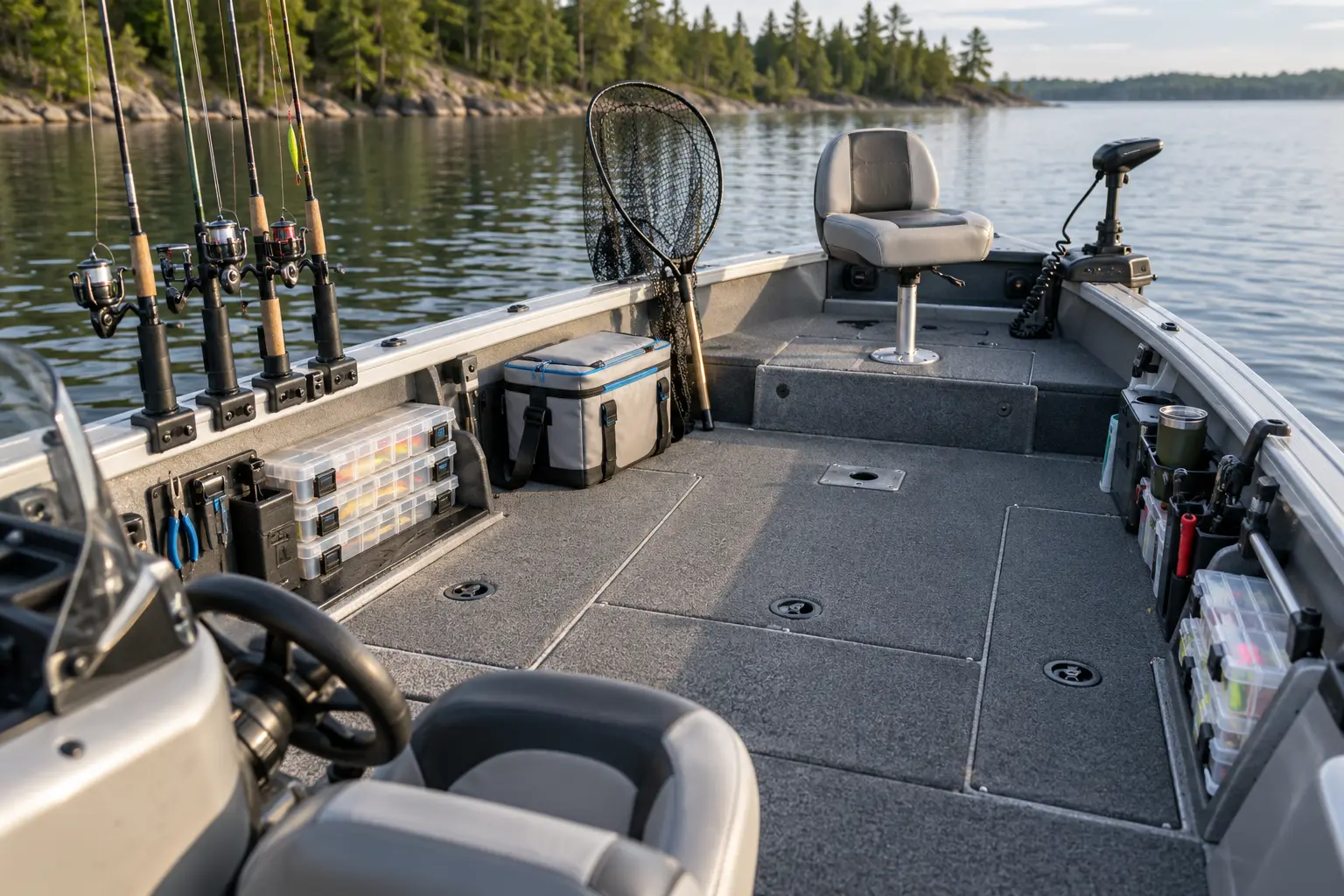
Use clear zones and secure rods, tackle, nets and tools without blocking safety equipment.
Organize the deck →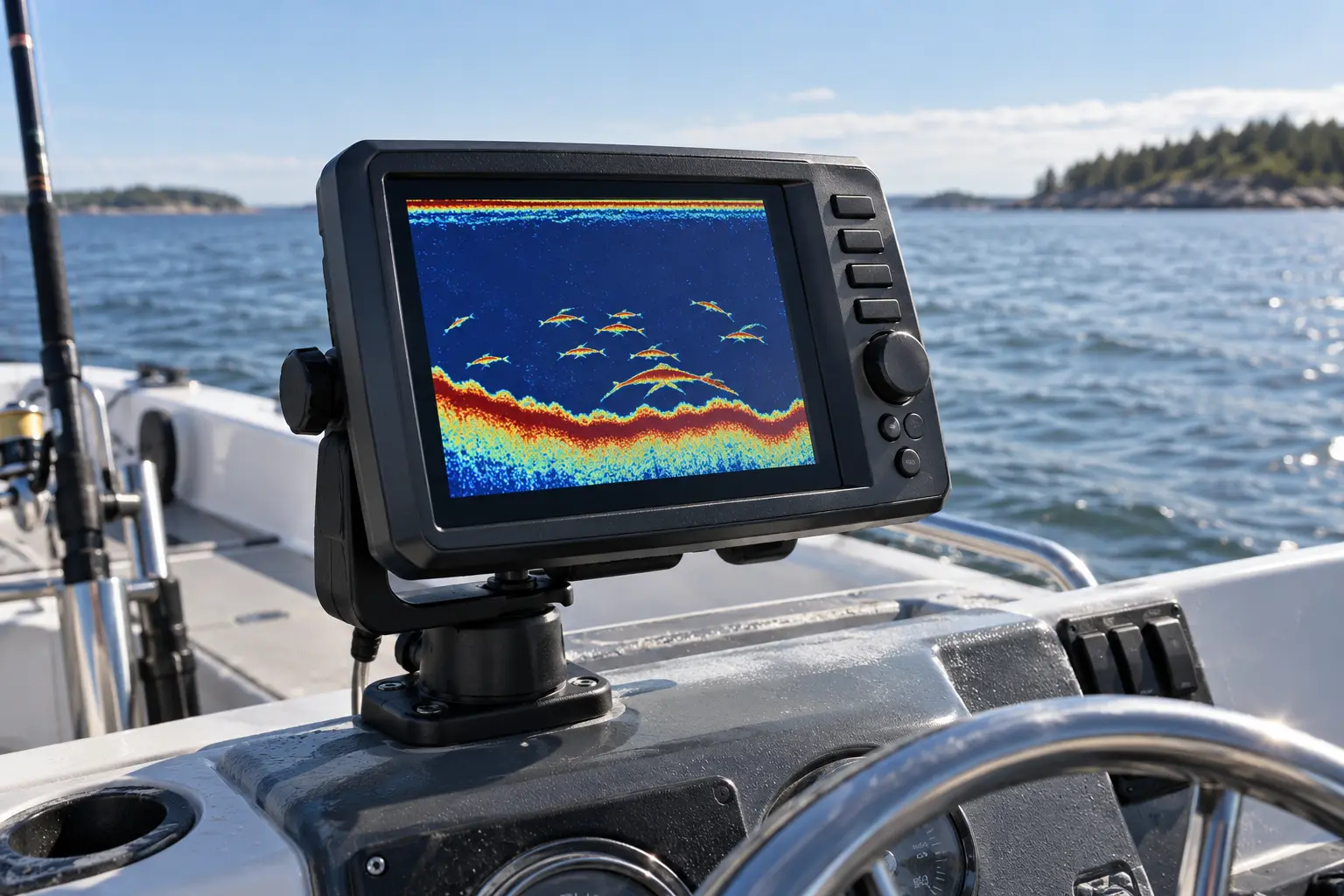
Match sonar, mapping, display, transducer and installation requirements to your boat.
Choose the right features →BoatOwner Hub separates editorial guidance from product research. We do not invent prices, ratings, specifications or hands-on testing. Recommendations appear only after their details and destination links are checked.
How we create content →Our tools and guides support planning and owner education. Fuel, electrical, steering and structural work can carry serious risk; manufacturer instructions and qualified marine technicians take priority.
Read our safety policy →