When Should You Operate the Blower on a Gasoline-Powered Boat?
Learn the four-minute pre-start rule, the after-fueling sequence and the stop conditions that override the timer.
Use the blower checklist →Choose the library that matches your boat, then open one dedicated category with one consistent URL.
Maintenance, batteries, cleaning, storage, accessories and electronics for everyday boat owners.
Maintenance schedules, seasonal work and ownership costs.
Open categoryCharging, testing, runtime planning and electrical troubleshooting.
Open categoryMaterial-aware cleaning for hulls, decks, vinyl and interiors.
Open categoryProtection, ventilation, winter storage and moisture control.
Open categoryPractical onboard equipment organized by real use case.
Open categoryNavigation, communications, power and marine electronics.
Open categoryBoat selection, fishing setup, fish finders, electronics and maintenance for anglers.
Choose a fishing boat for your water, crew and towing setup.
Open categoryOrganize essential fishing gear without crowding the deck.
Open categoryUnderstand sonar, mapping, transducers and display choices.
Open categoryPlan power, navigation and connected fishing electronics.
Open categoryKeep a fishing boat ready for dependable days on the water.
Open categoryLearn the four-minute pre-start rule, the after-fueling sequence and the stop conditions that override the timer.
Use the blower checklist →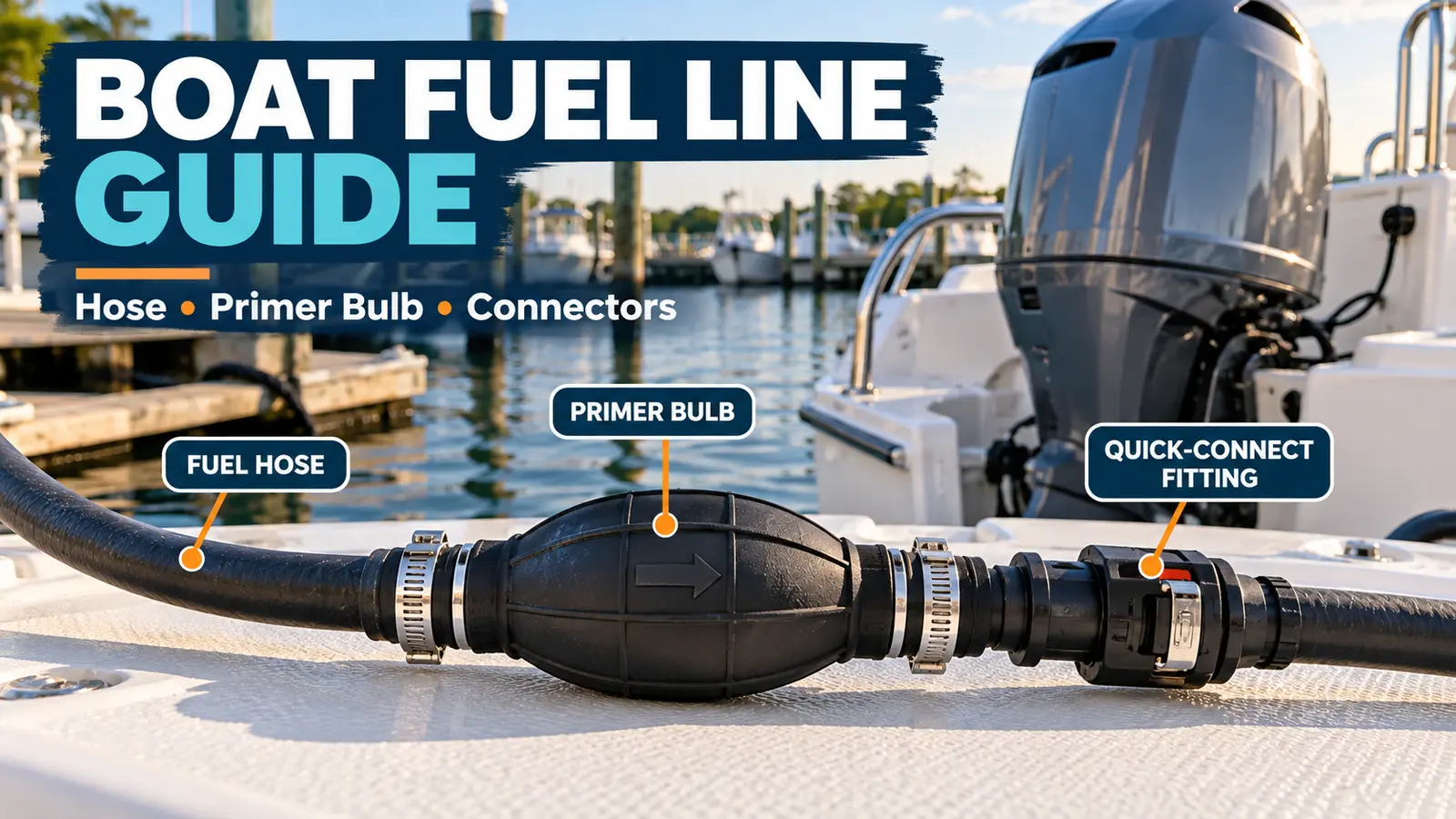
Choose hose rating, size, primer bulb, connectors and routing as one matched fuel path.
Inspect the complete fuel line →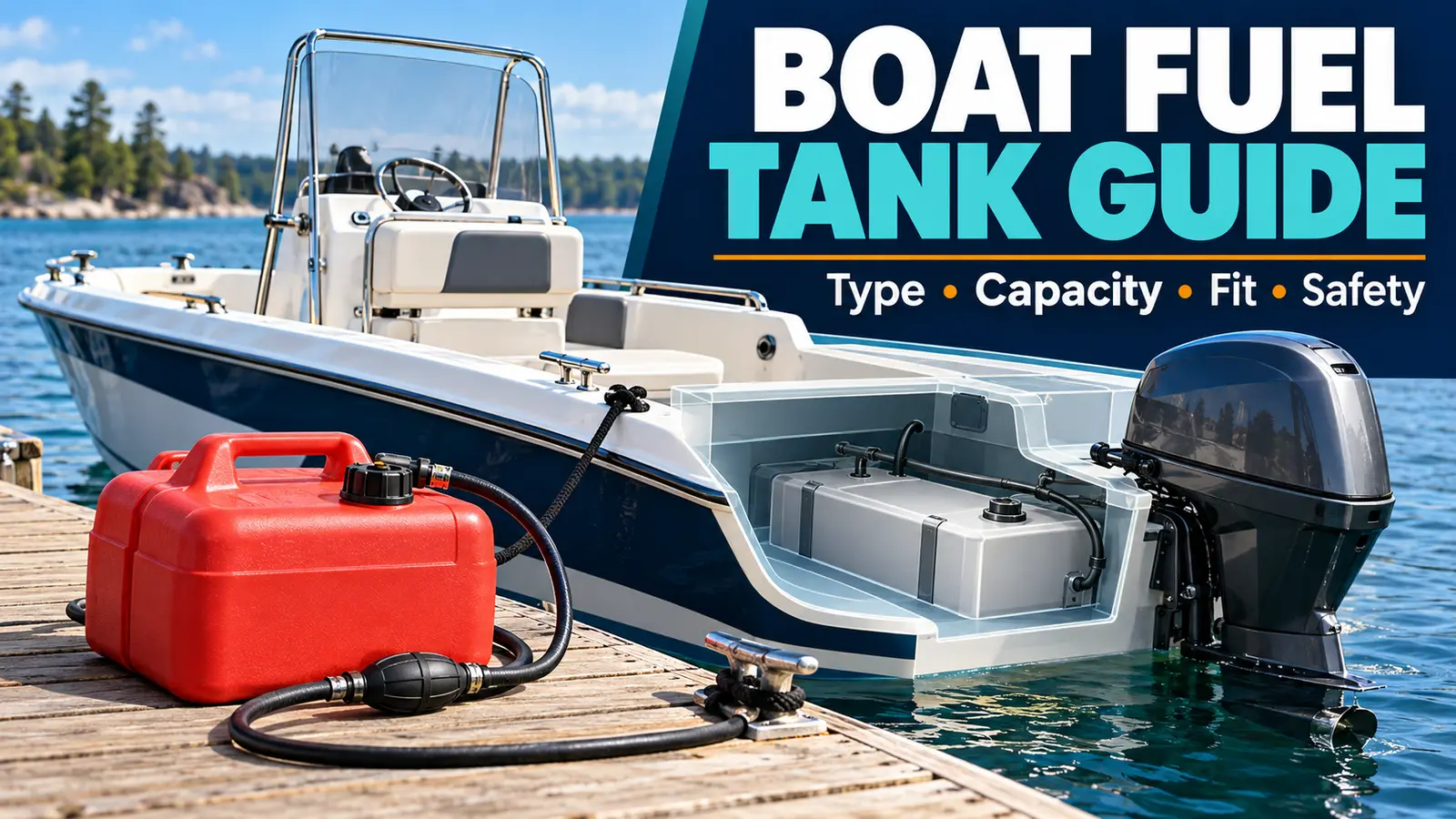
Compare portable and permanent tanks, then check capacity, venting, connections and safe fit.
Choose the right fuel tank →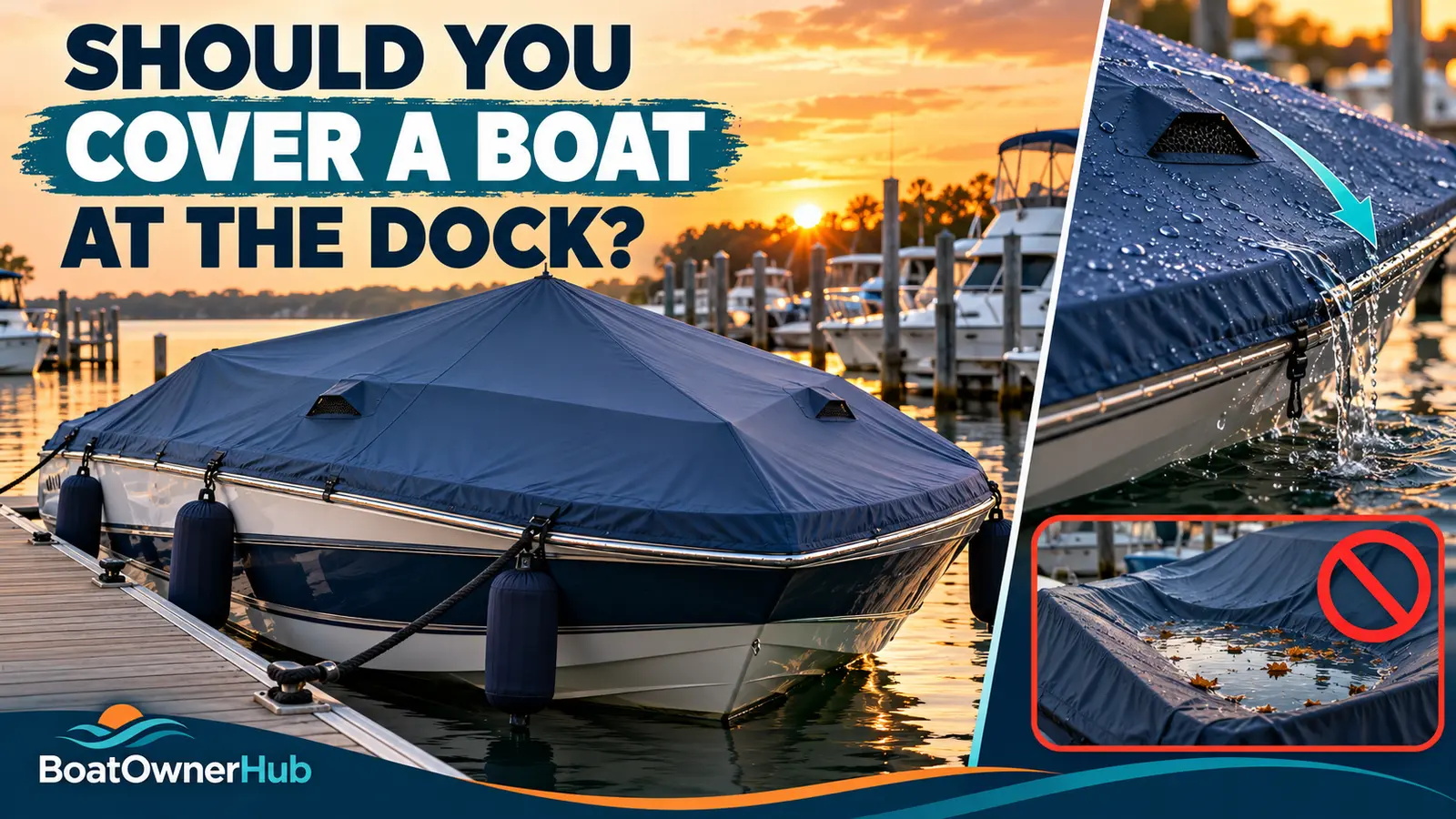
Choose the right dockside cover, then manage ventilation, support, drainage and inspection.
Use the dock-cover checklist →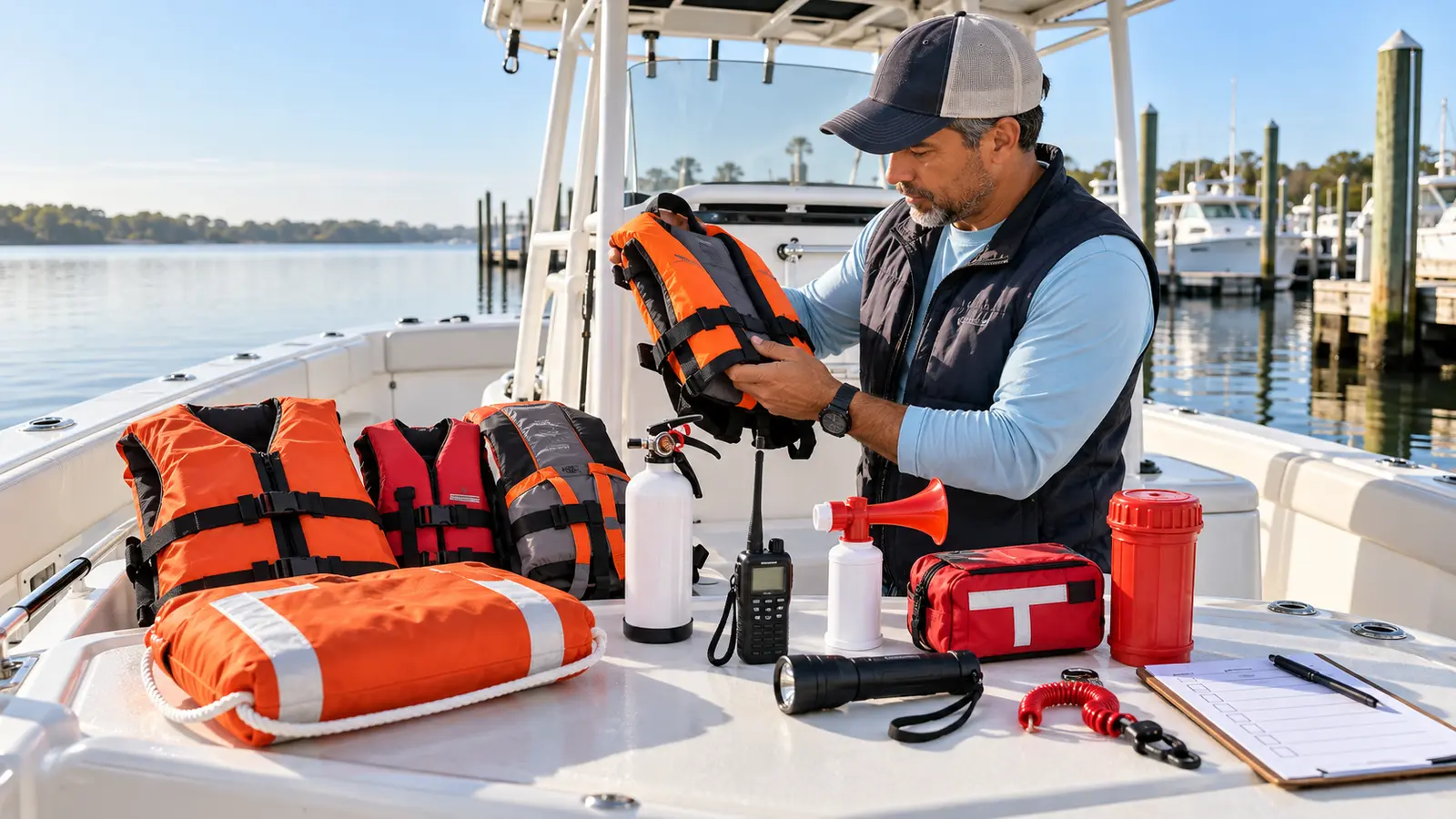
Match required gear to vessel length, propulsion and waters, then verify condition and access.
Check your safety equipment →
Prioritize safety, boarding, protection and fishing upgrades, then verify fit before buying.
Read guide →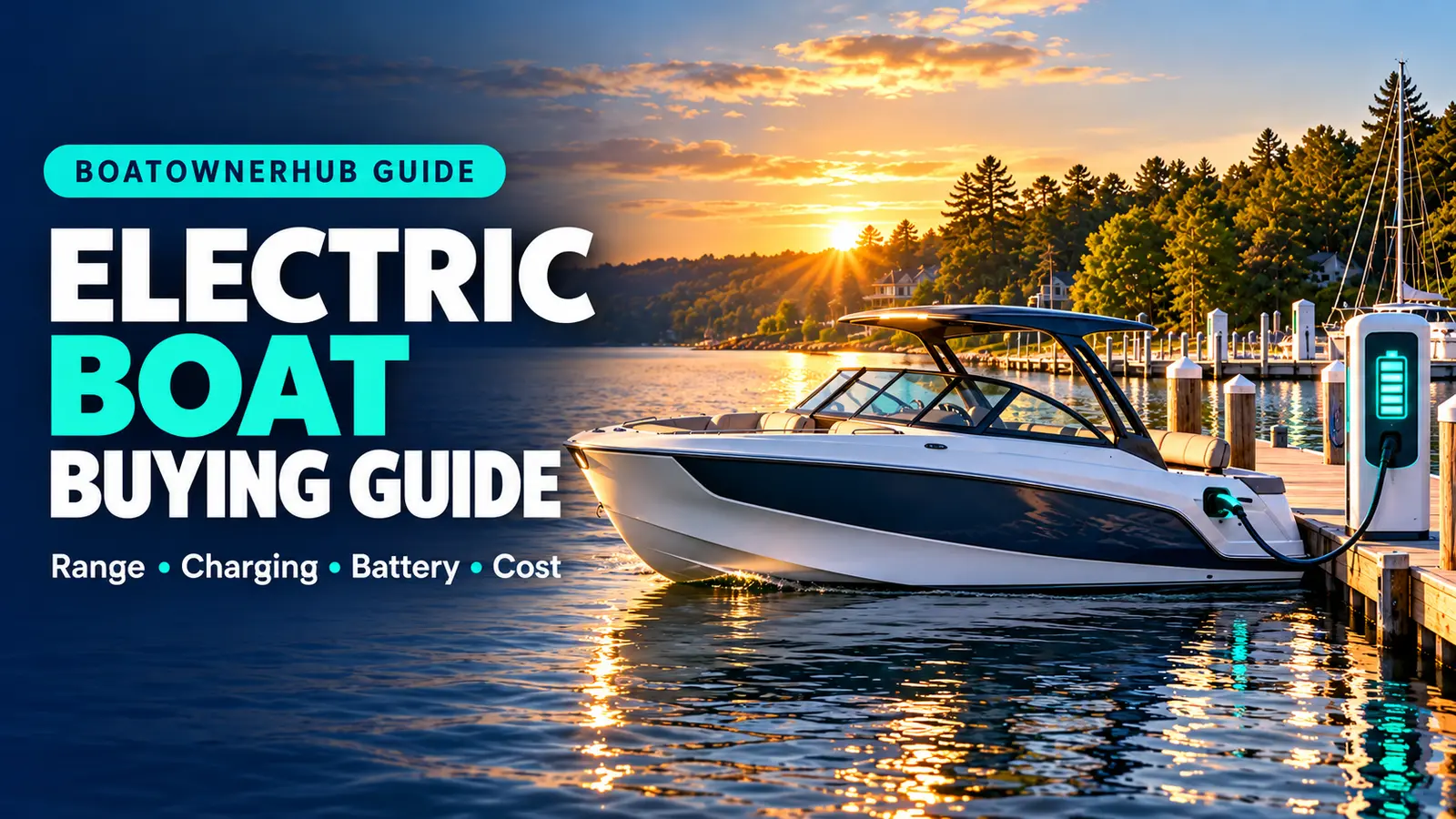
Compare range, charging, battery support, performance and ownership cost before choosing an electric boat.
Compare electric boats →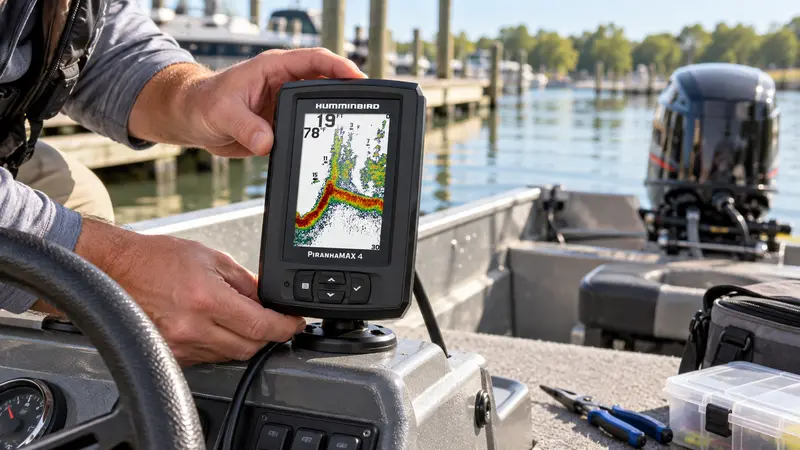
Mount the display and transducer, route cables, connect power safely and complete the in-water test.
Open the installation guide →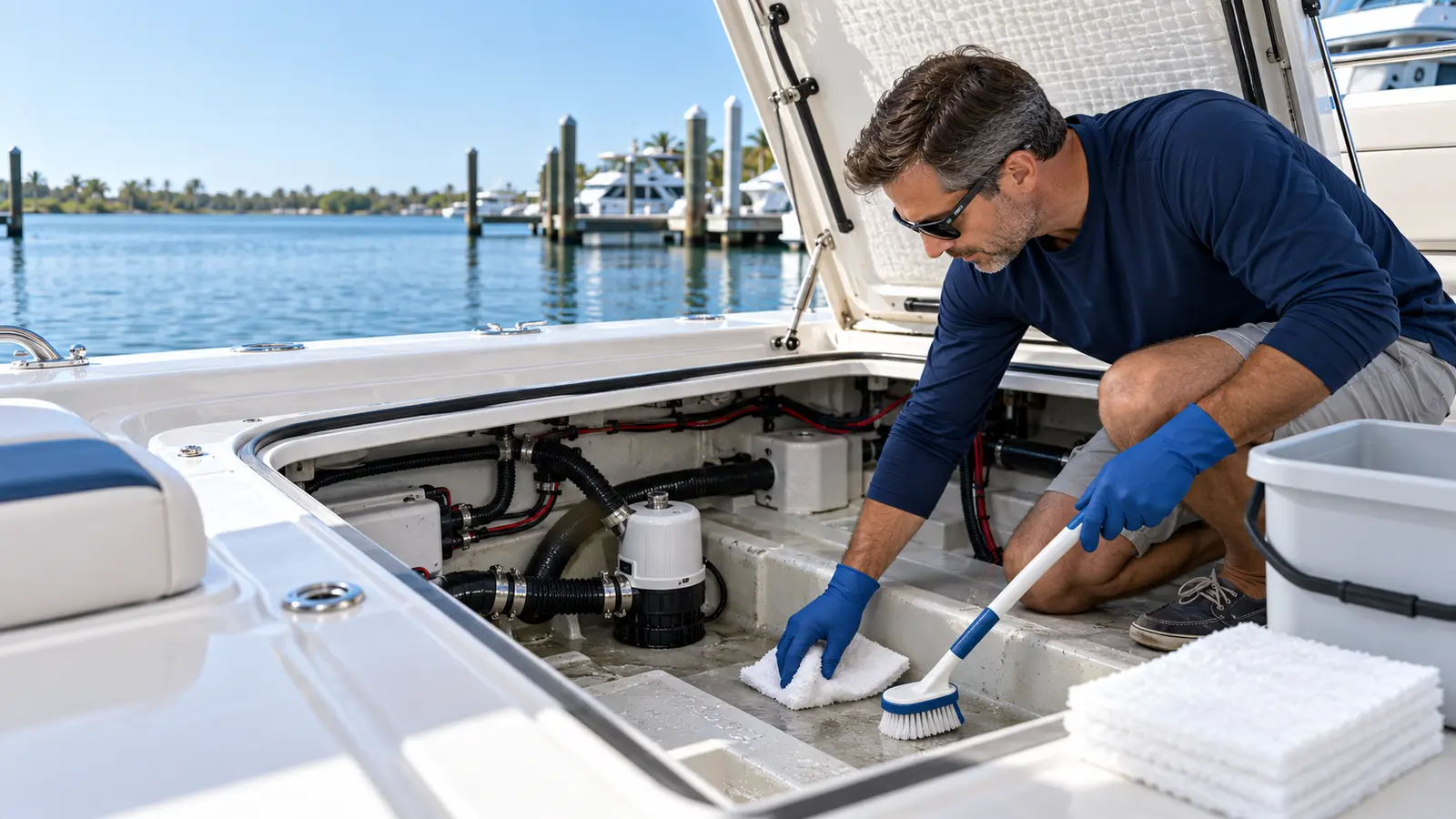
Contain oily water, clean in a safe order and leave the pump ready to work.
Clean the bilge safely →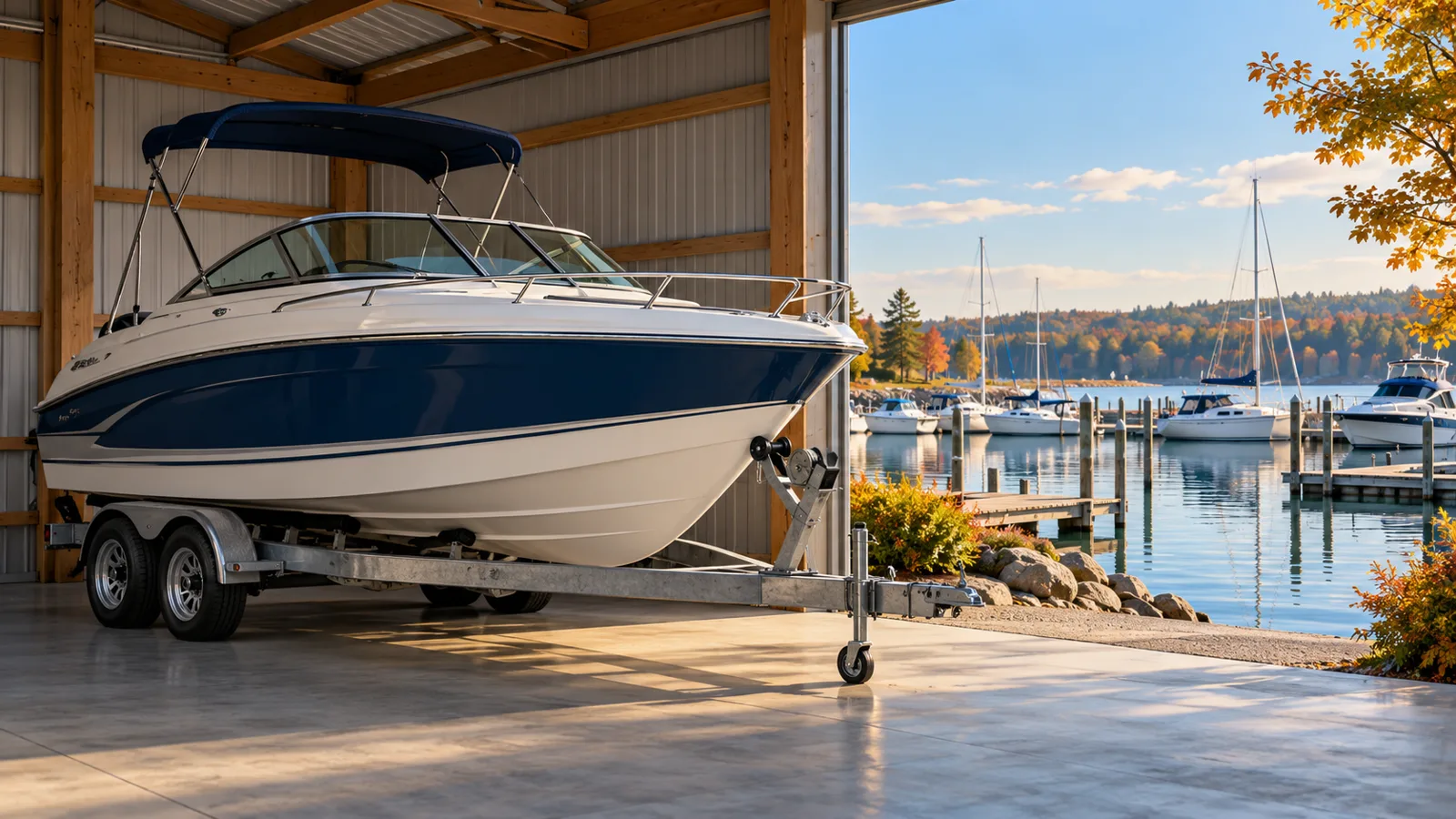
Compare six storage options by fit, access, protection and the full written quote.
Compare storage options →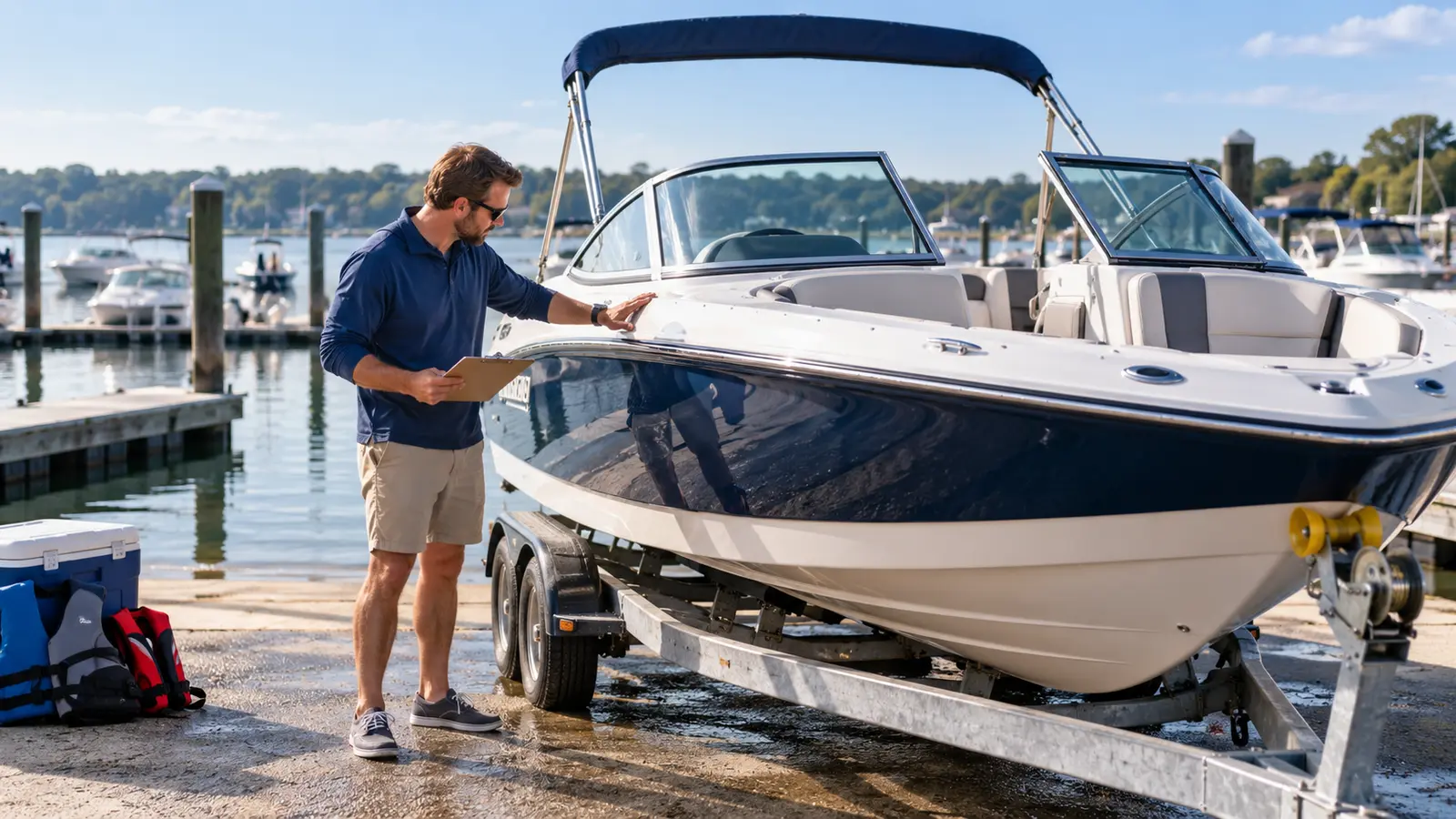
Choose a manageable first boat, price the full ownership plan and verify the hull, engine, trailer and paperwork.
Use the buying checklist →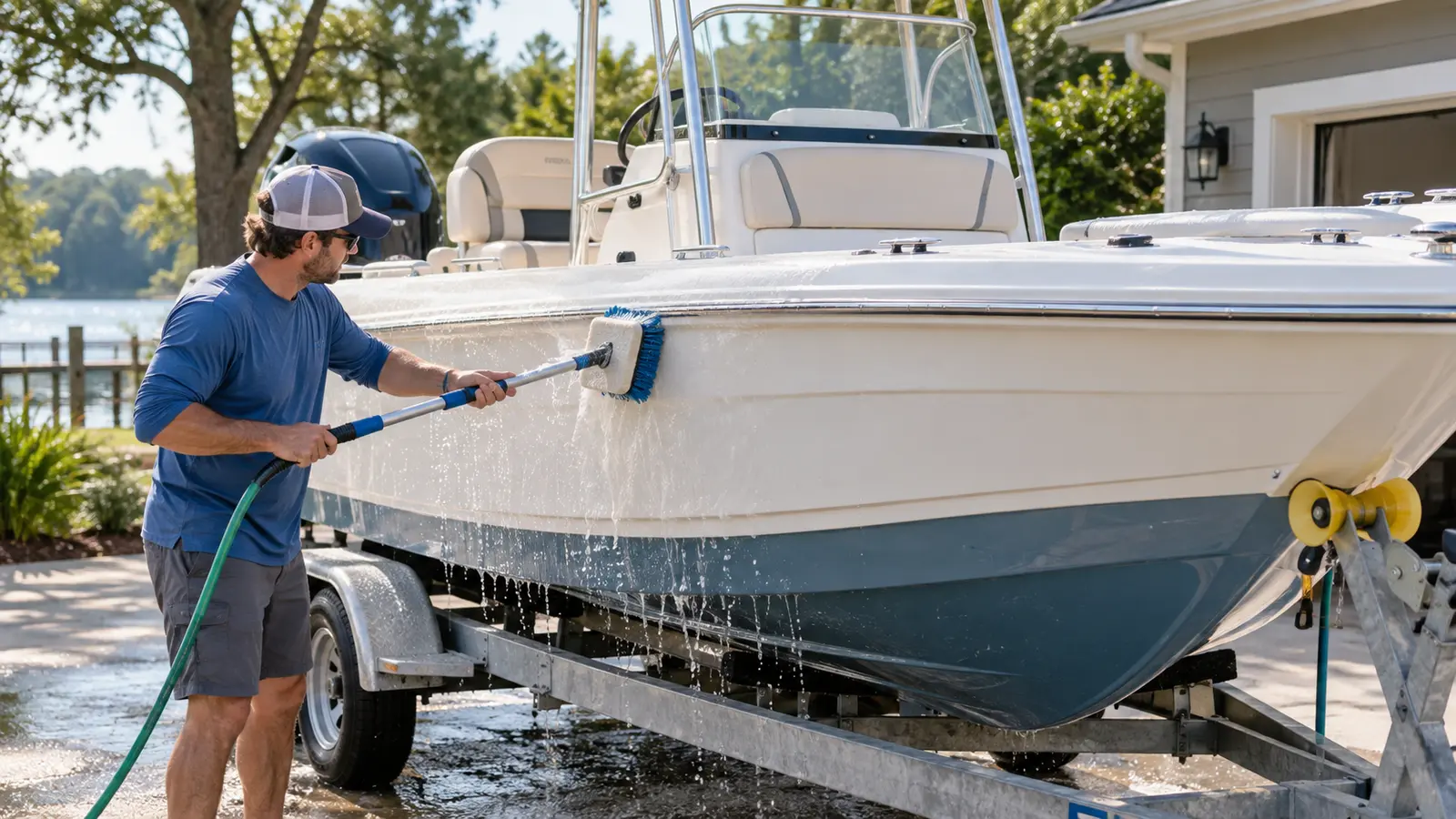
Use a surface-safe wash sequence for the hull, deck, upholstery, glass, metal, engine exterior and storage areas.
Follow the wash sequence →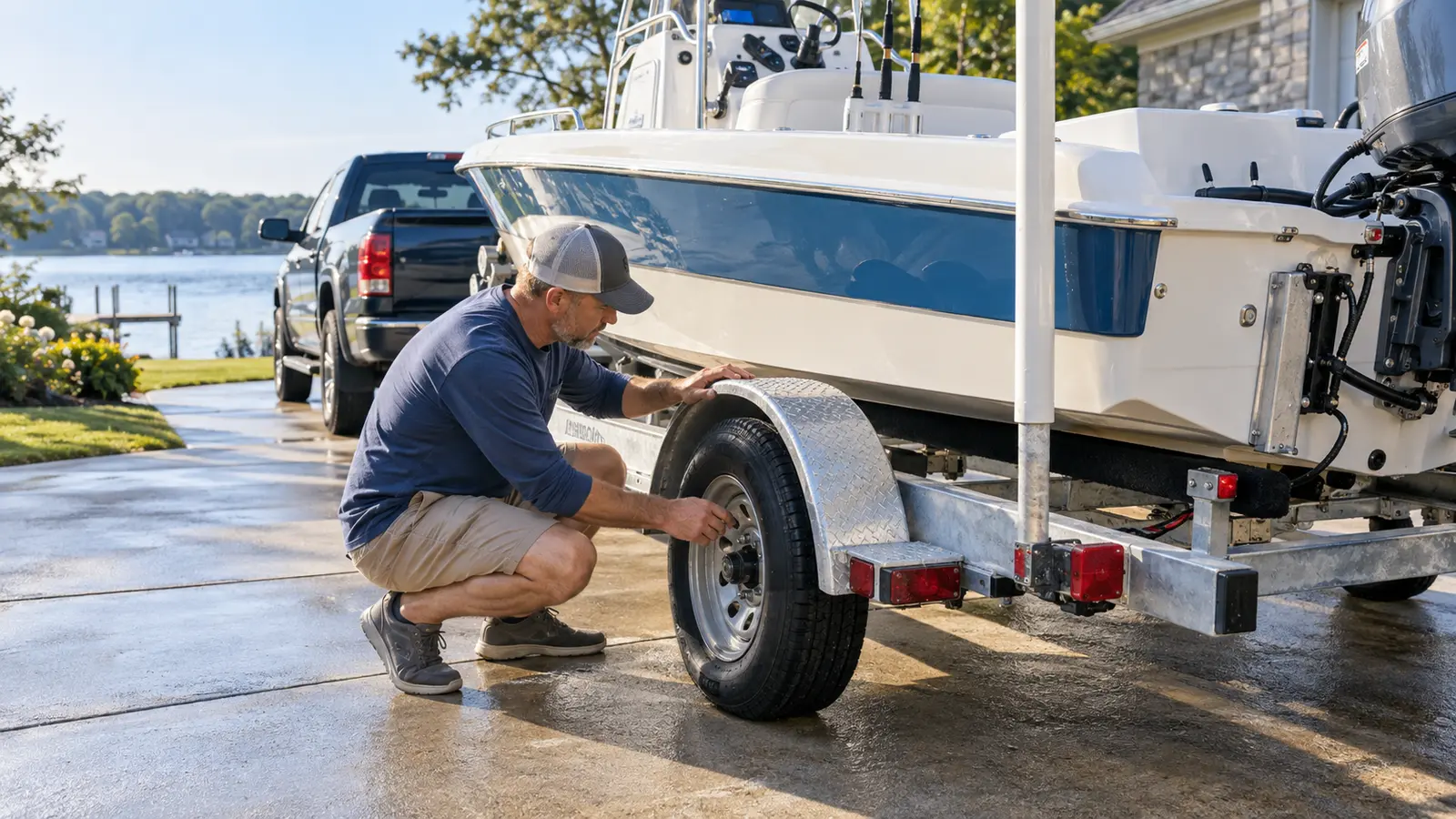
Inspect tires, bearings, brakes, lights, coupling hardware, supports and corrosion-prone parts.
Use the checklist →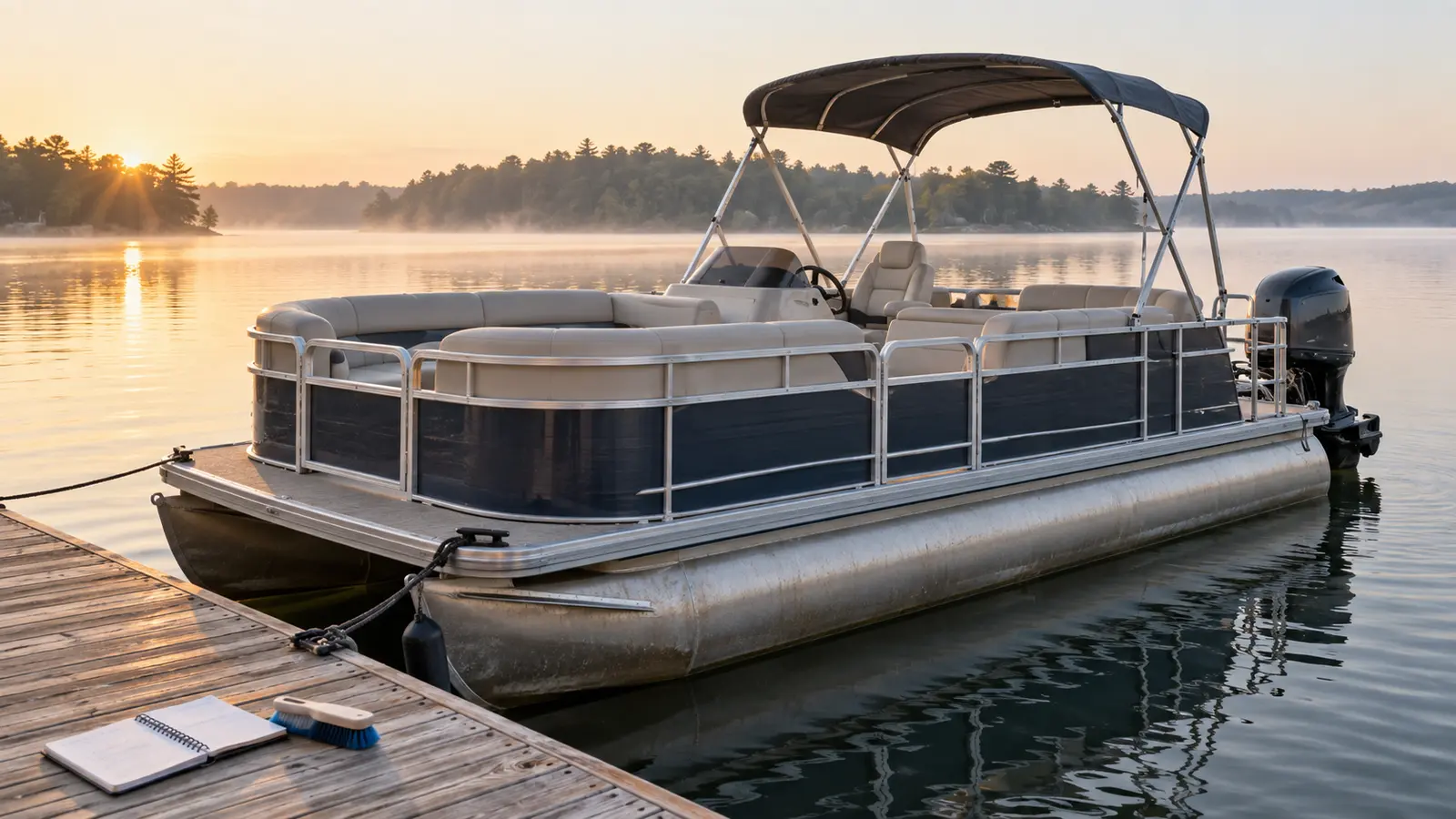
Build a practical routine for pontoons, upholstery, hardware, systems, the outboard, trailer and seasonal storage.
Read guide →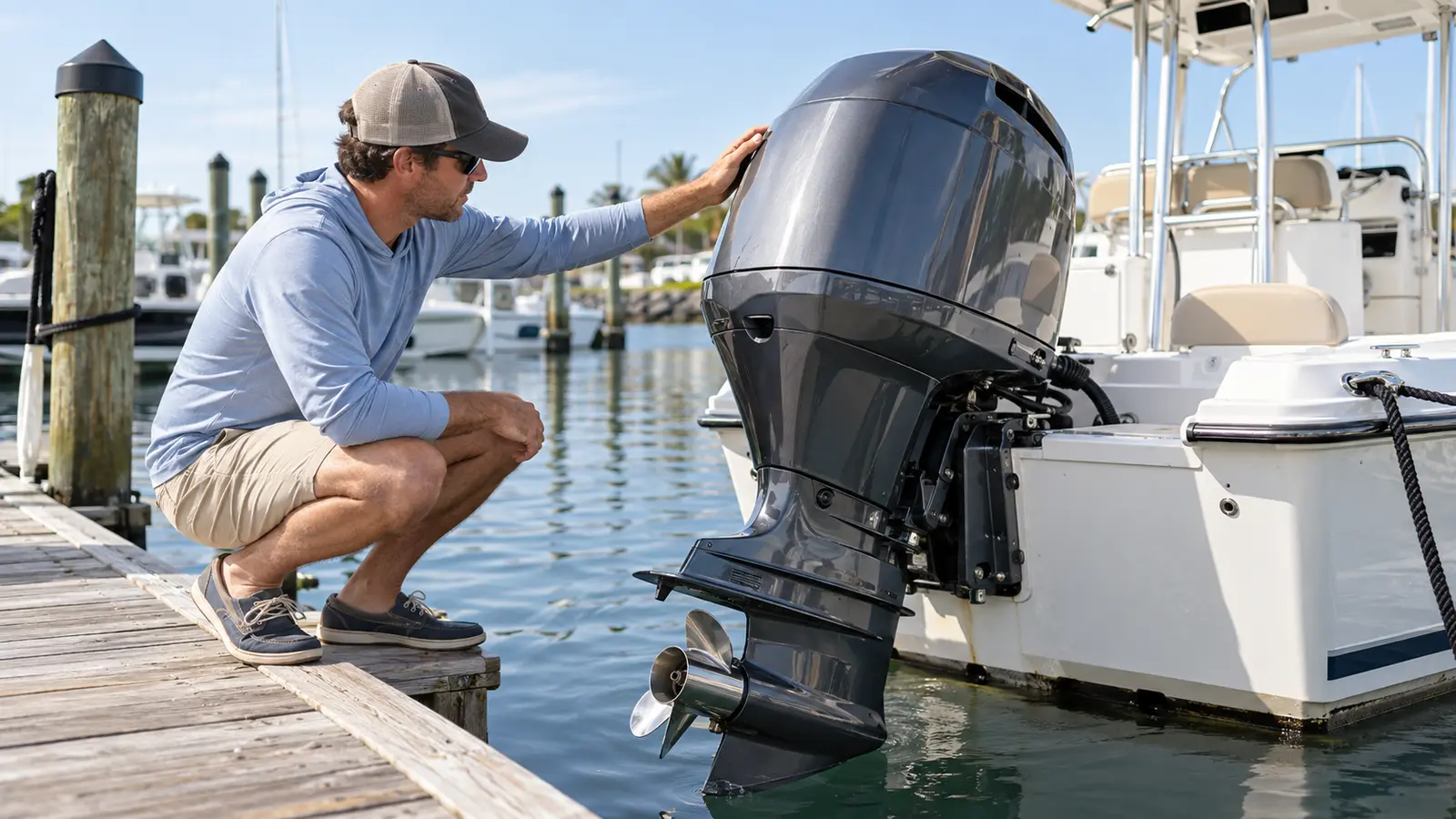
Build a manual-first routine for inspections, flushing, fluids, the propeller, fuel and corrosion care.
Read guide →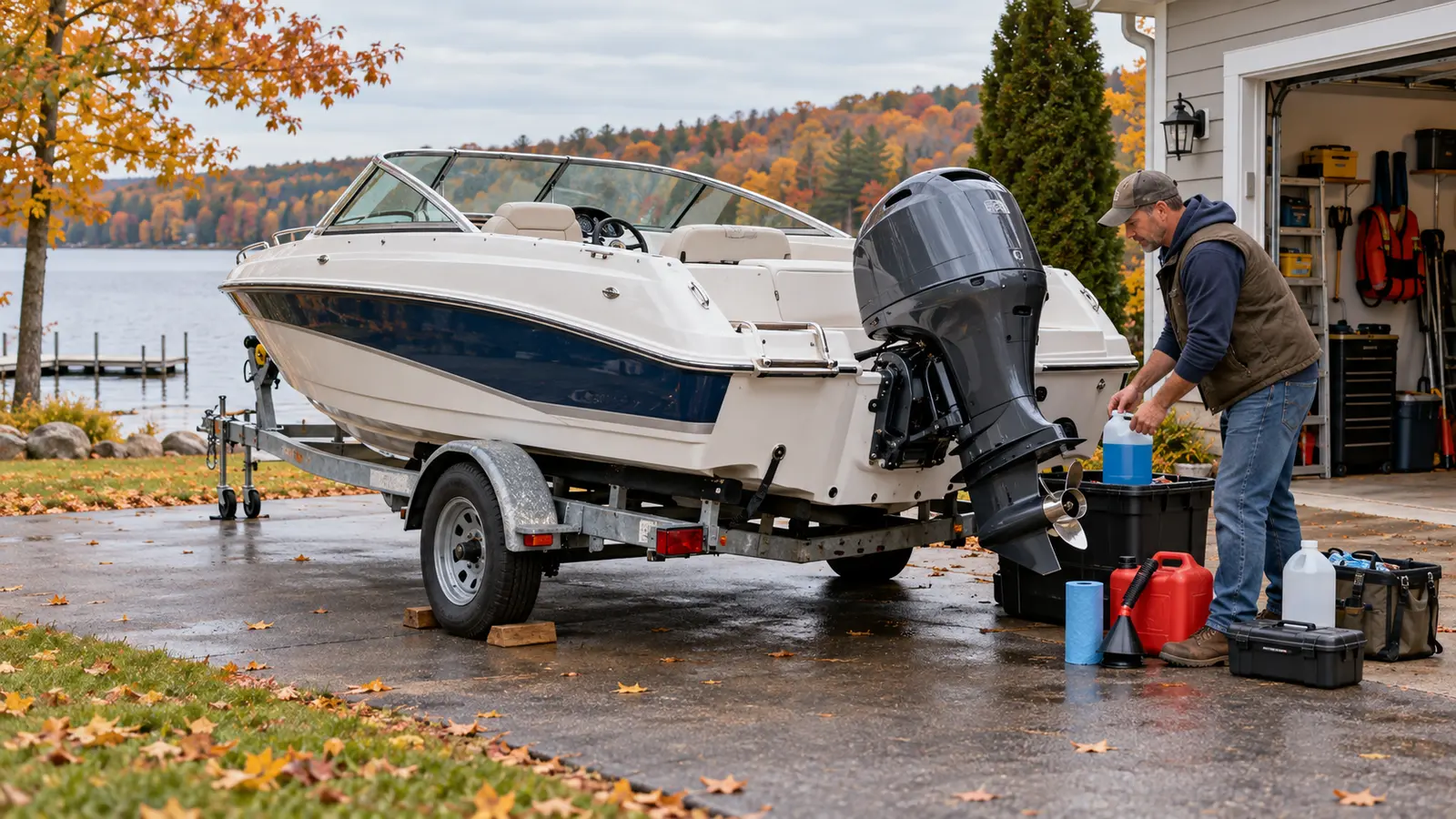
A complete system-by-system guide with engine types, costs, mistakes, FAQs and a printable checklist.
Read guide →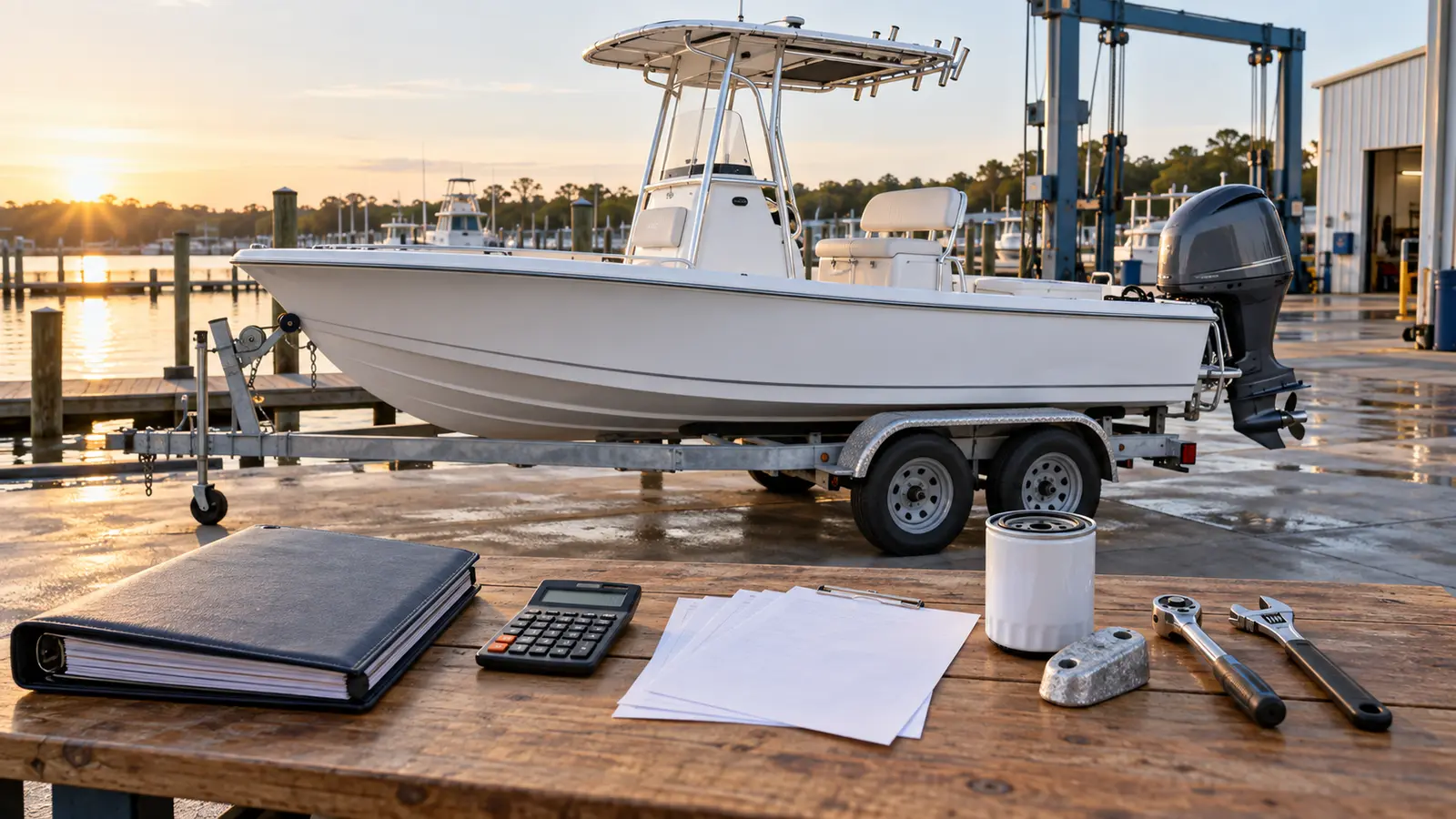
Build a realistic annual budget with cost drivers, worked examples and an interactive calculator.
Read guide →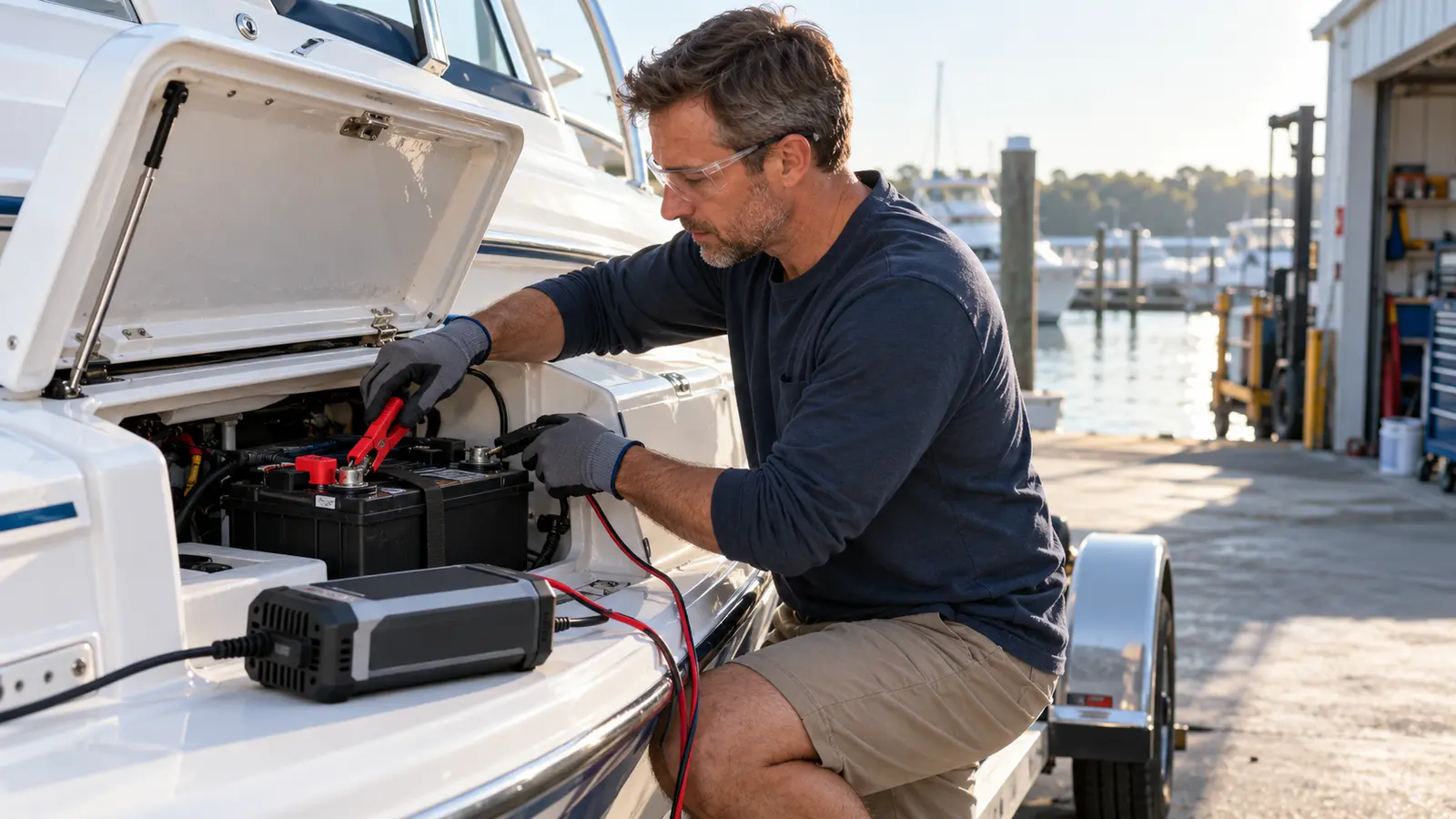
Match the charger to the chemistry and follow a safer inspection and connection sequence.
Read guide →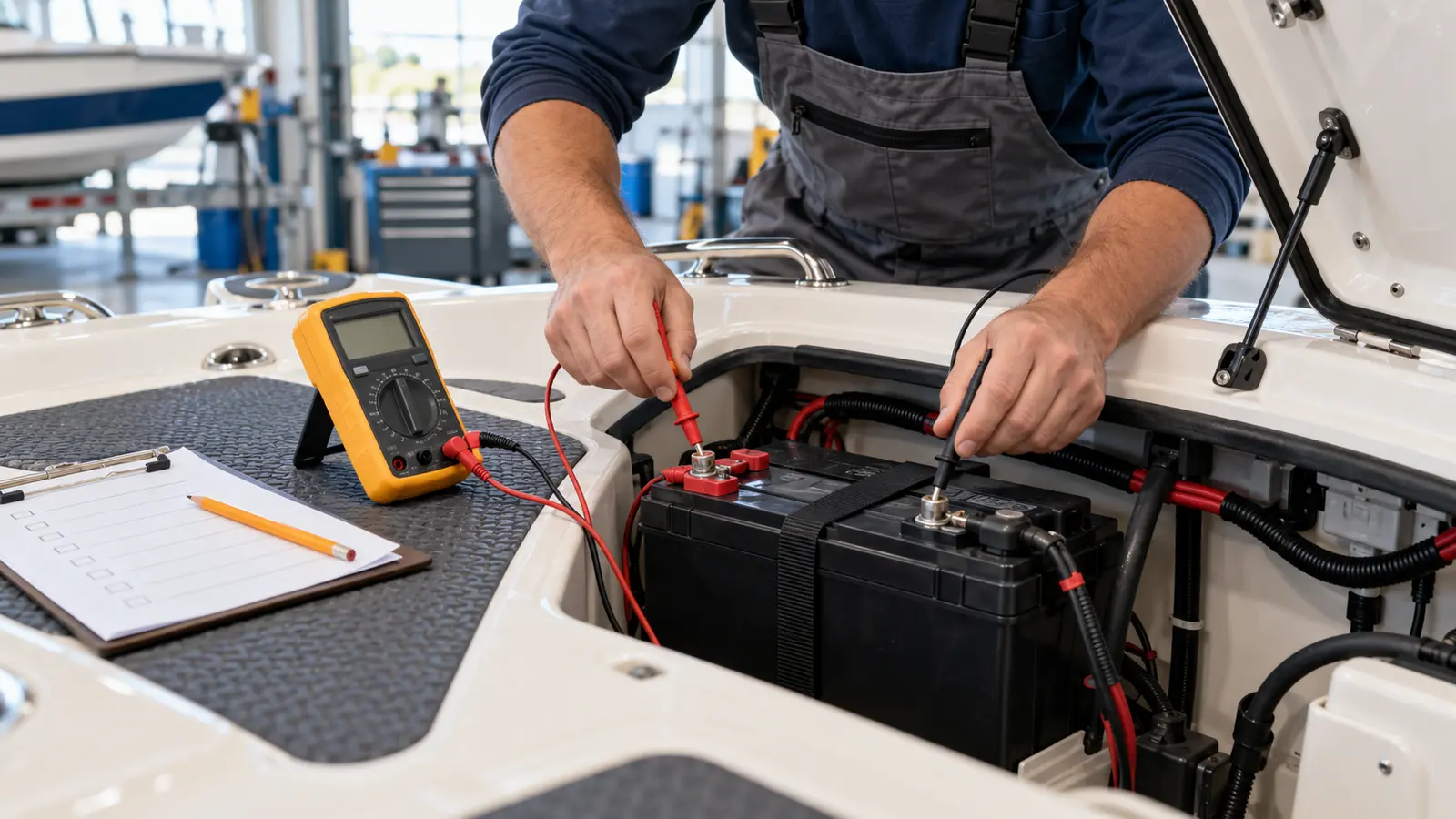
Understand resting voltage, load tests and the measurements that can mislead owners.
Read guide →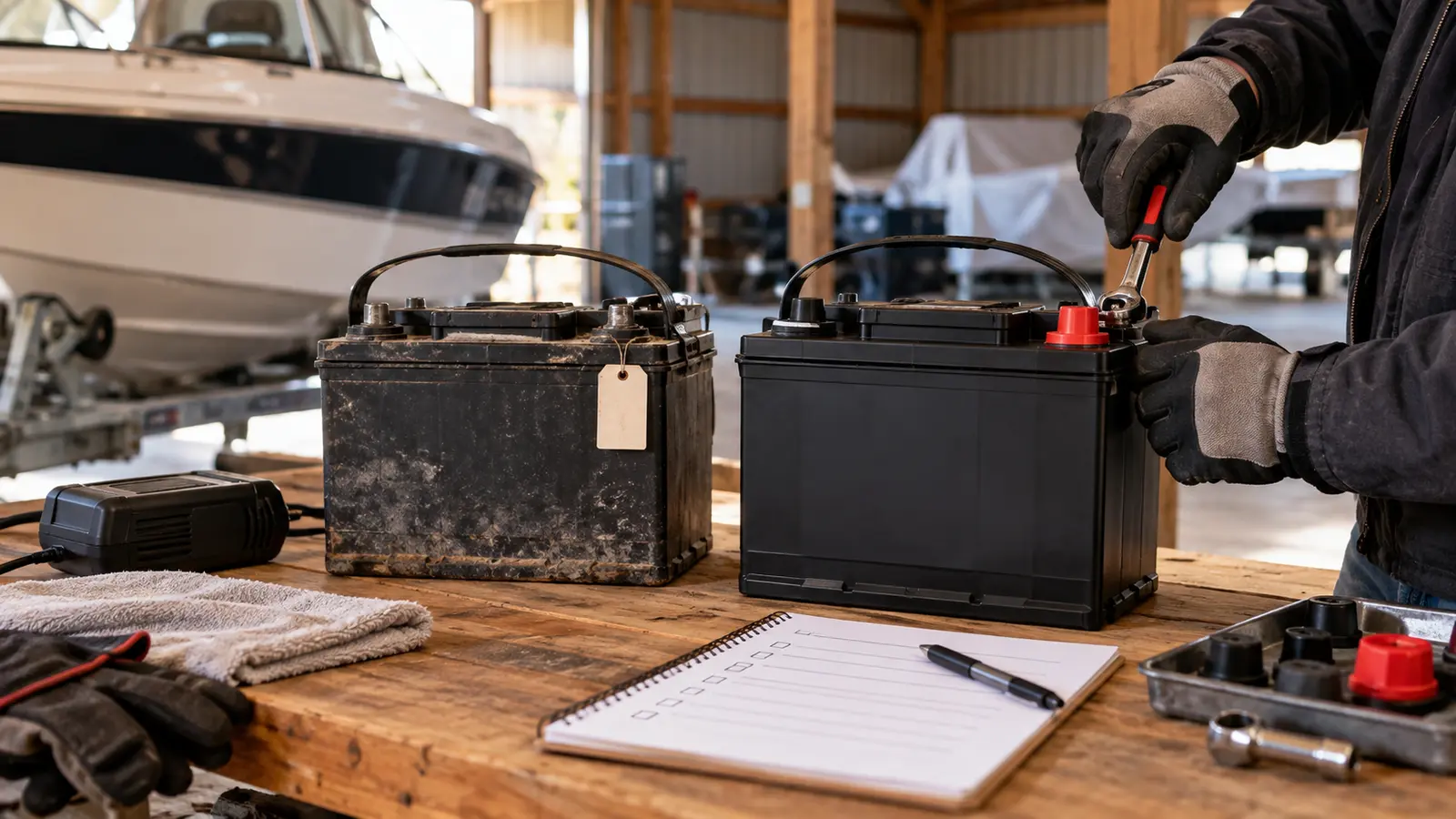
See what shortens service life, which warning signs matter and when to test.
Read guide →
Follow a complete schedule for trip checks, monthly inspections, annual service and trailer care.
Use the checklist →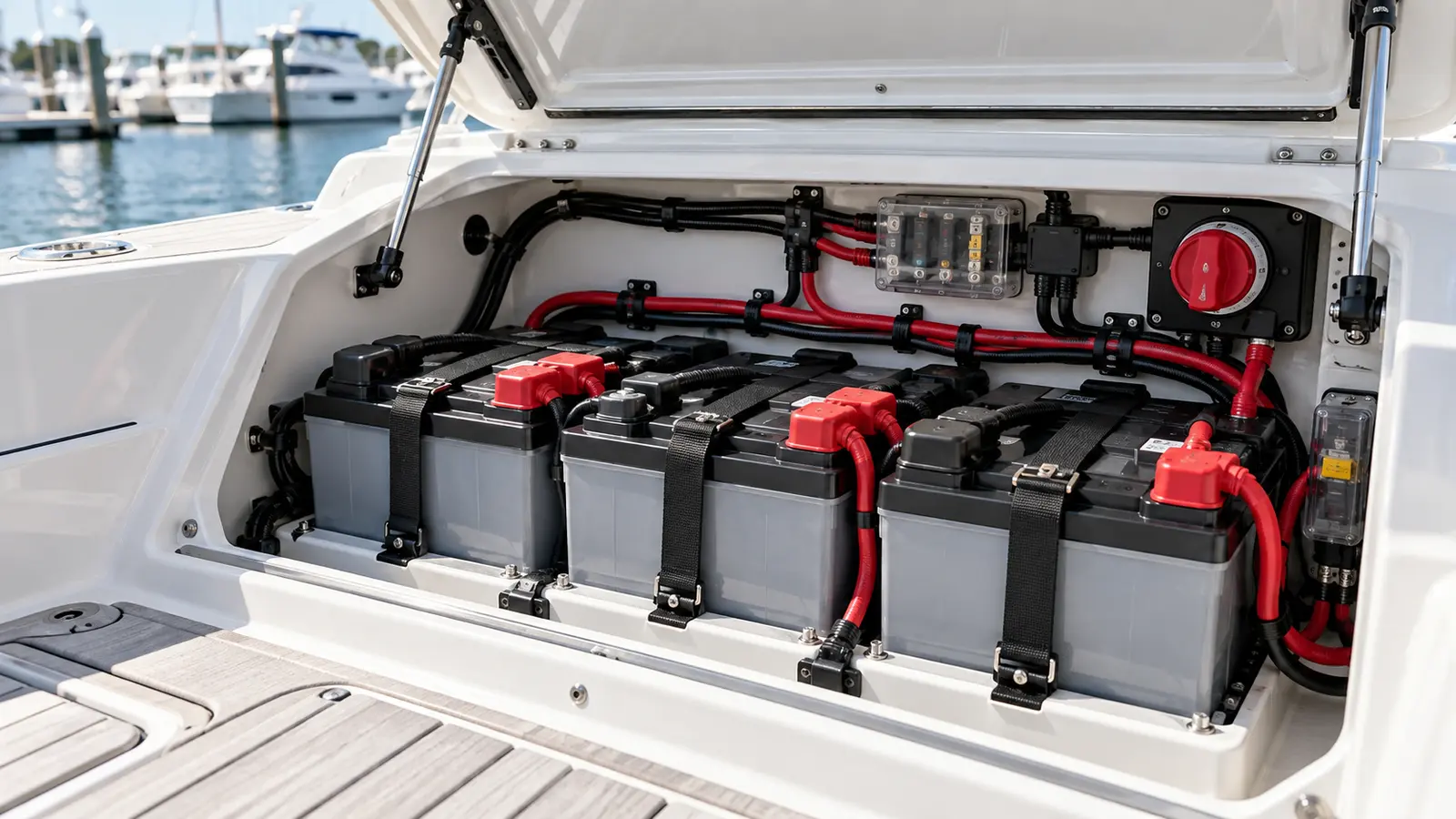
Diagnose battery condition, charging, connections, hidden loads and bank capacity in a safe order.
Troubleshoot the problem →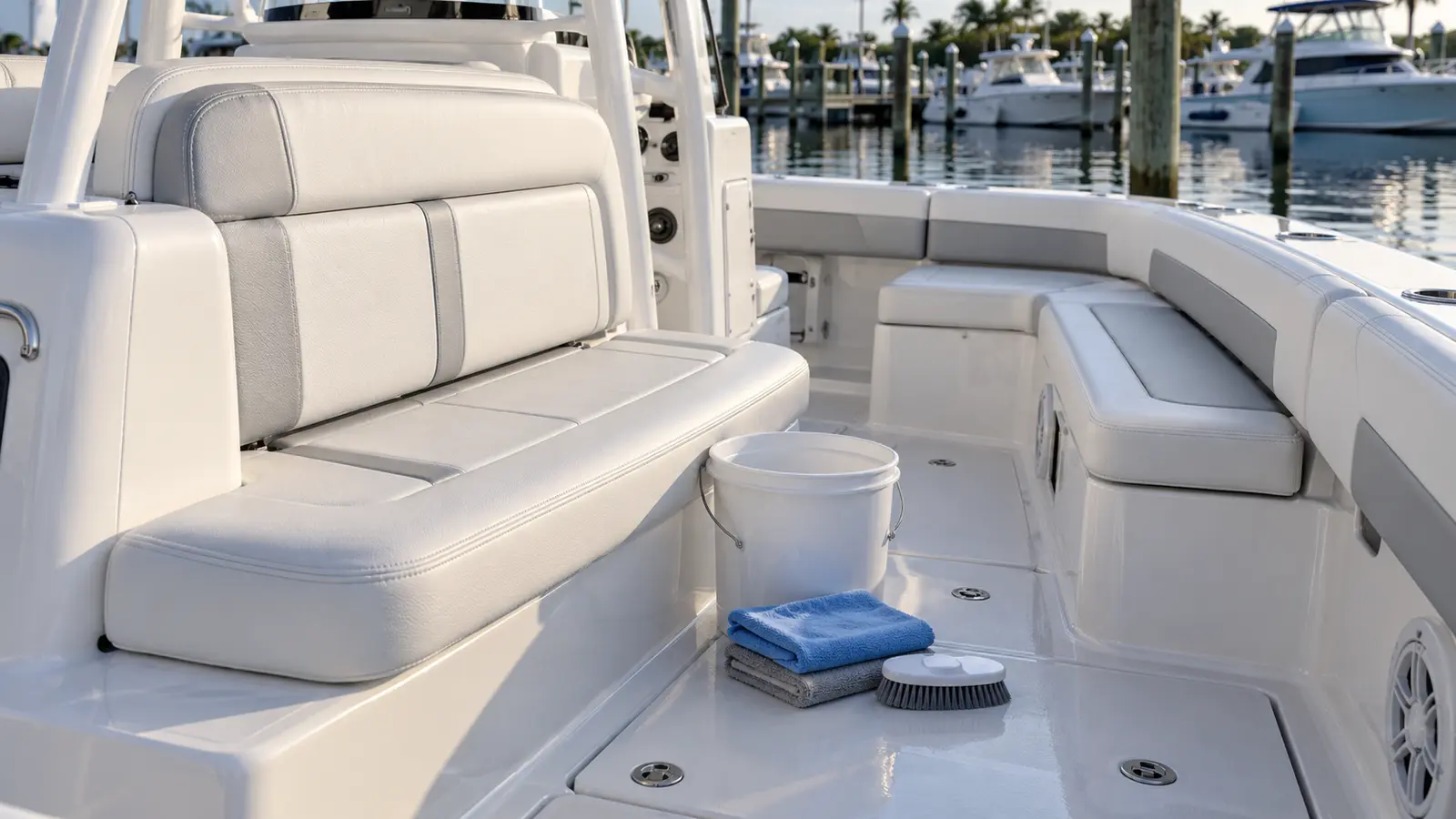
Use a material-safe method for routine dirt, stubborn stains, mildew, complete drying and prevention.
Read guide →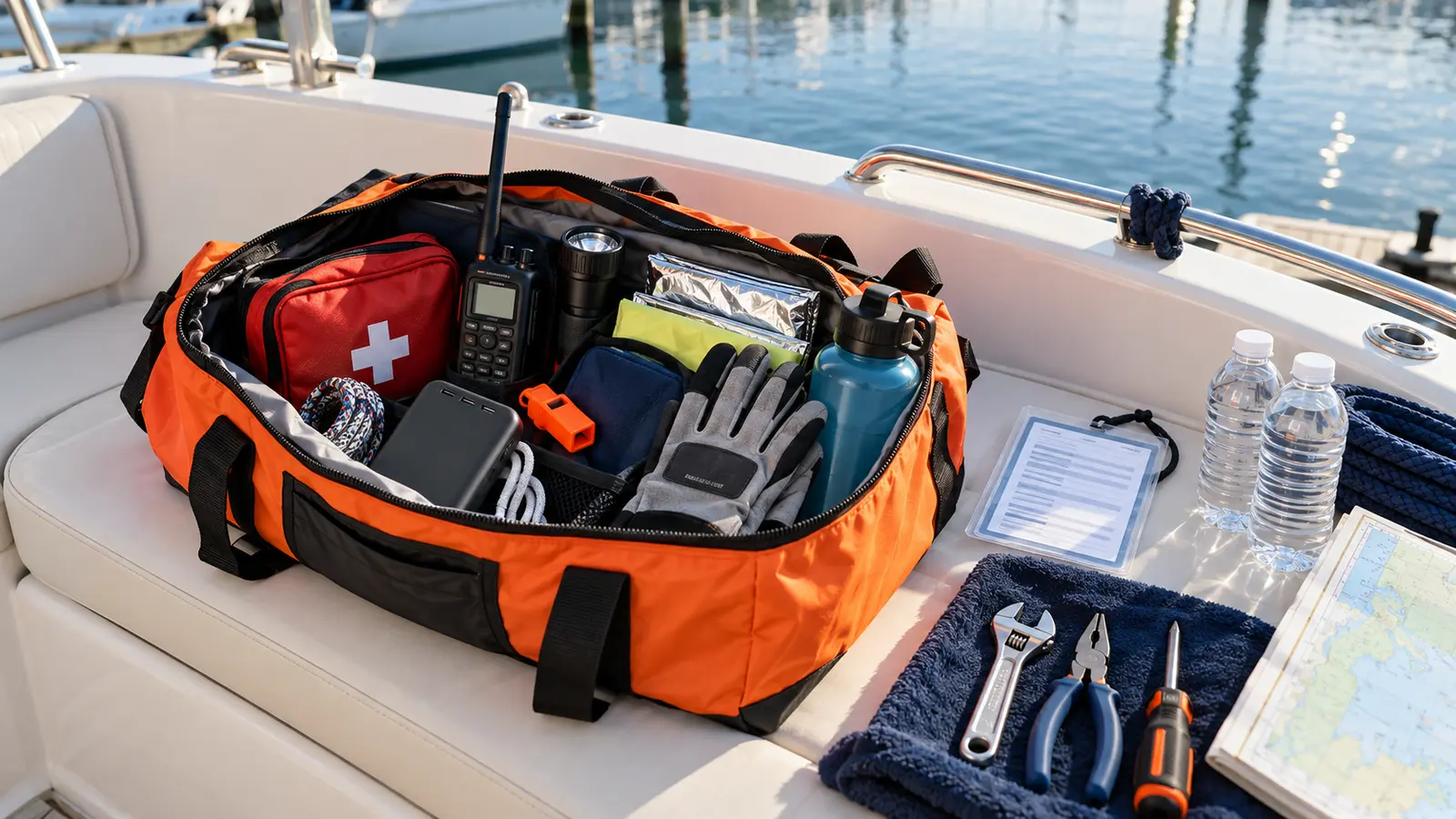
Build a reachable kit for communications, first aid, signaling, exposure, backup power and boat-specific damage control.
Build your emergency kit →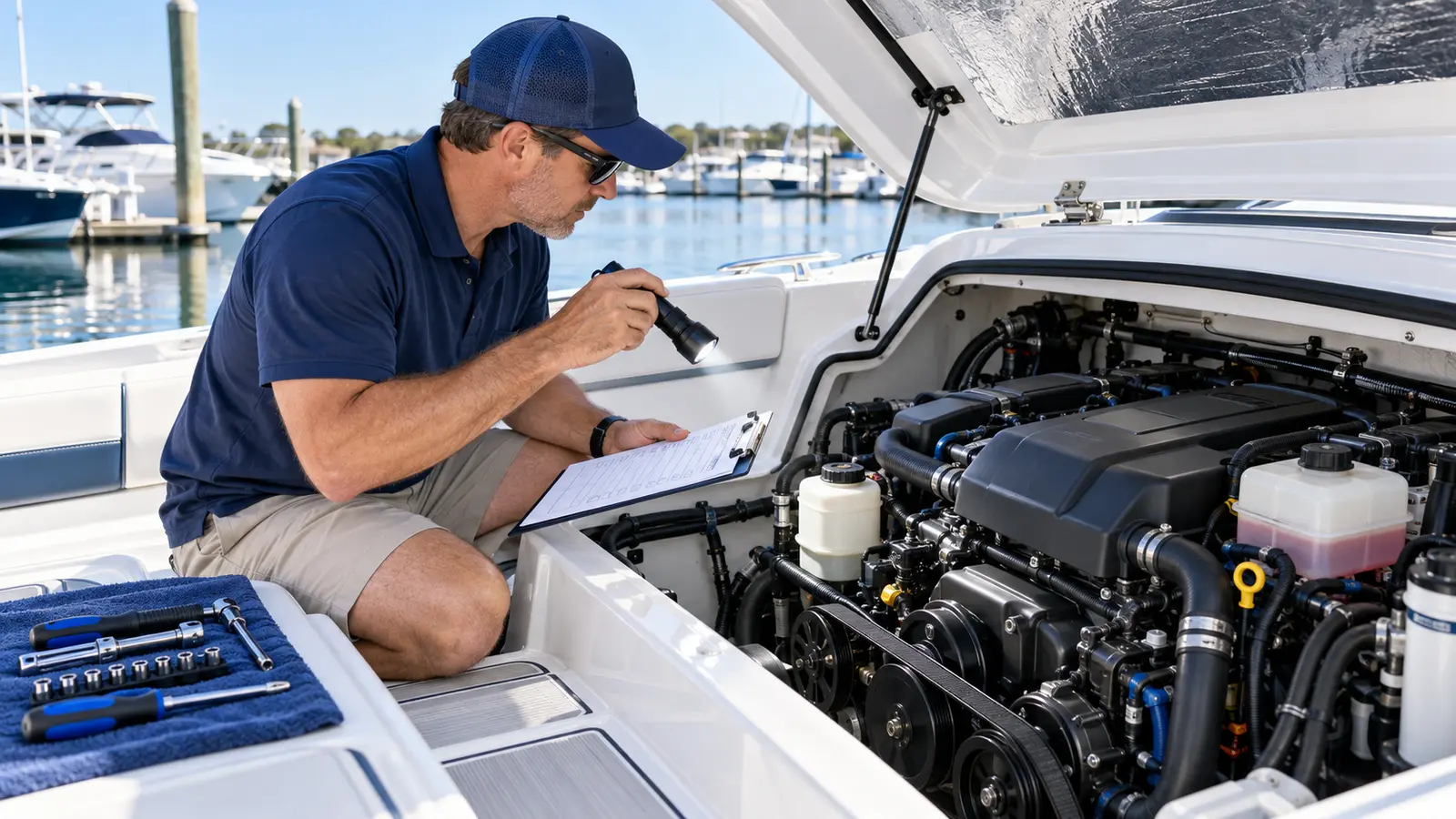
Build a manual-first plan for fuel, cooling, fluids, electrical systems, exhaust and running gear.
Follow the inboard checklist →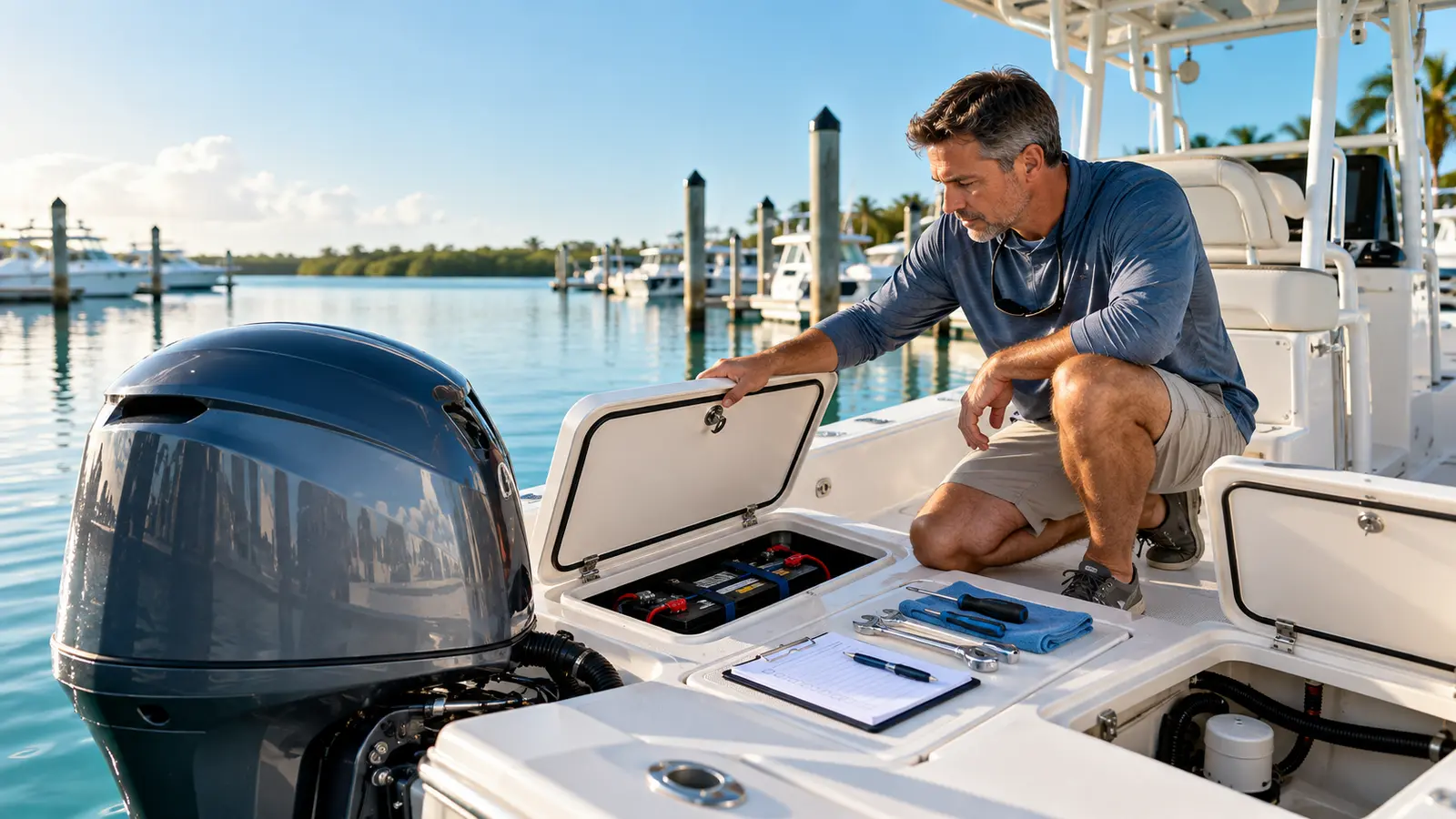
Triage no-start, overheat, fuel, battery, bilge, steering and vibration symptoms in a safer order.
Start troubleshooting →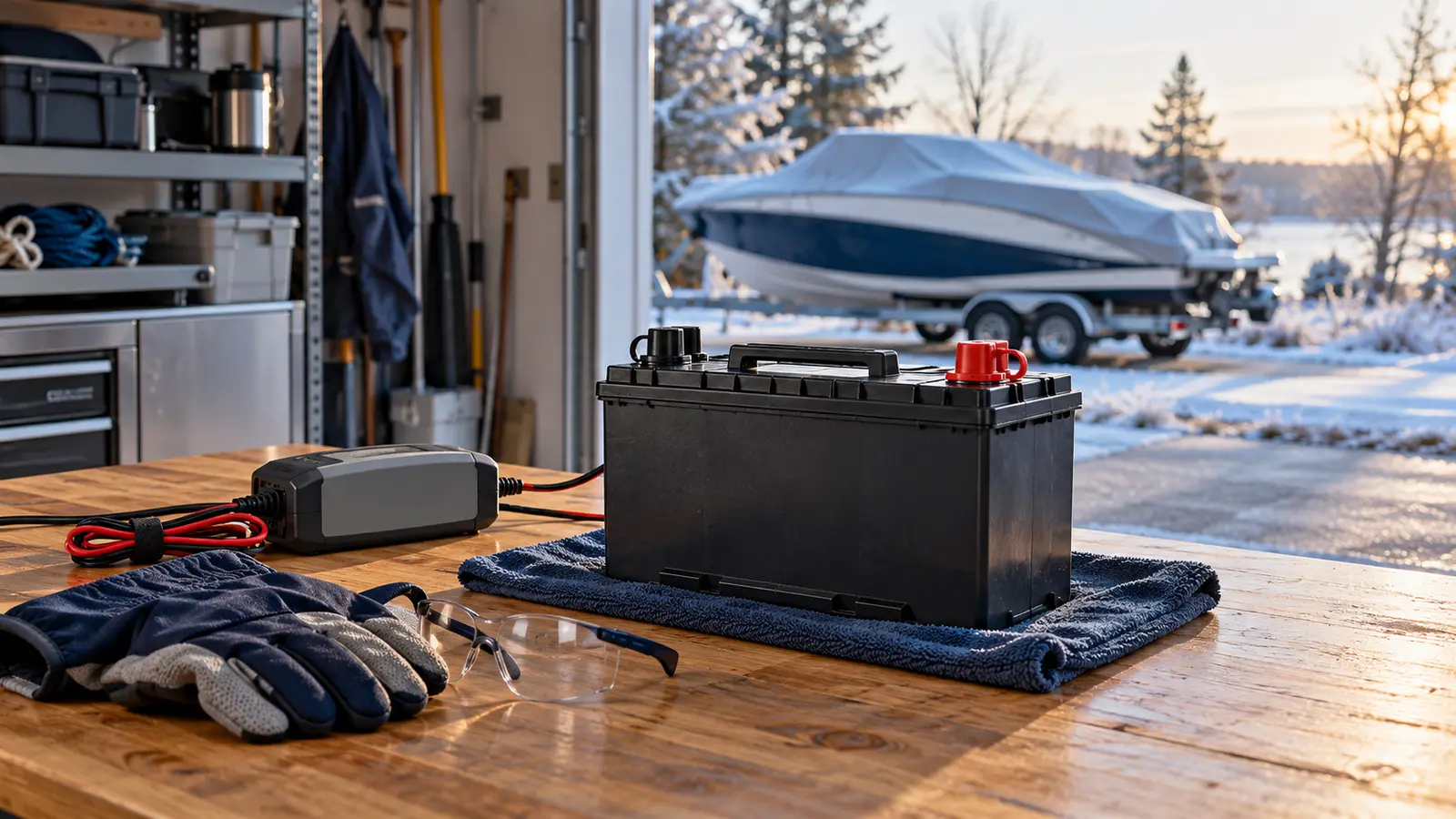
Prepare, isolate and monitor a marine battery through winter with a chemistry-first storage plan.
Use the winter storage checklist →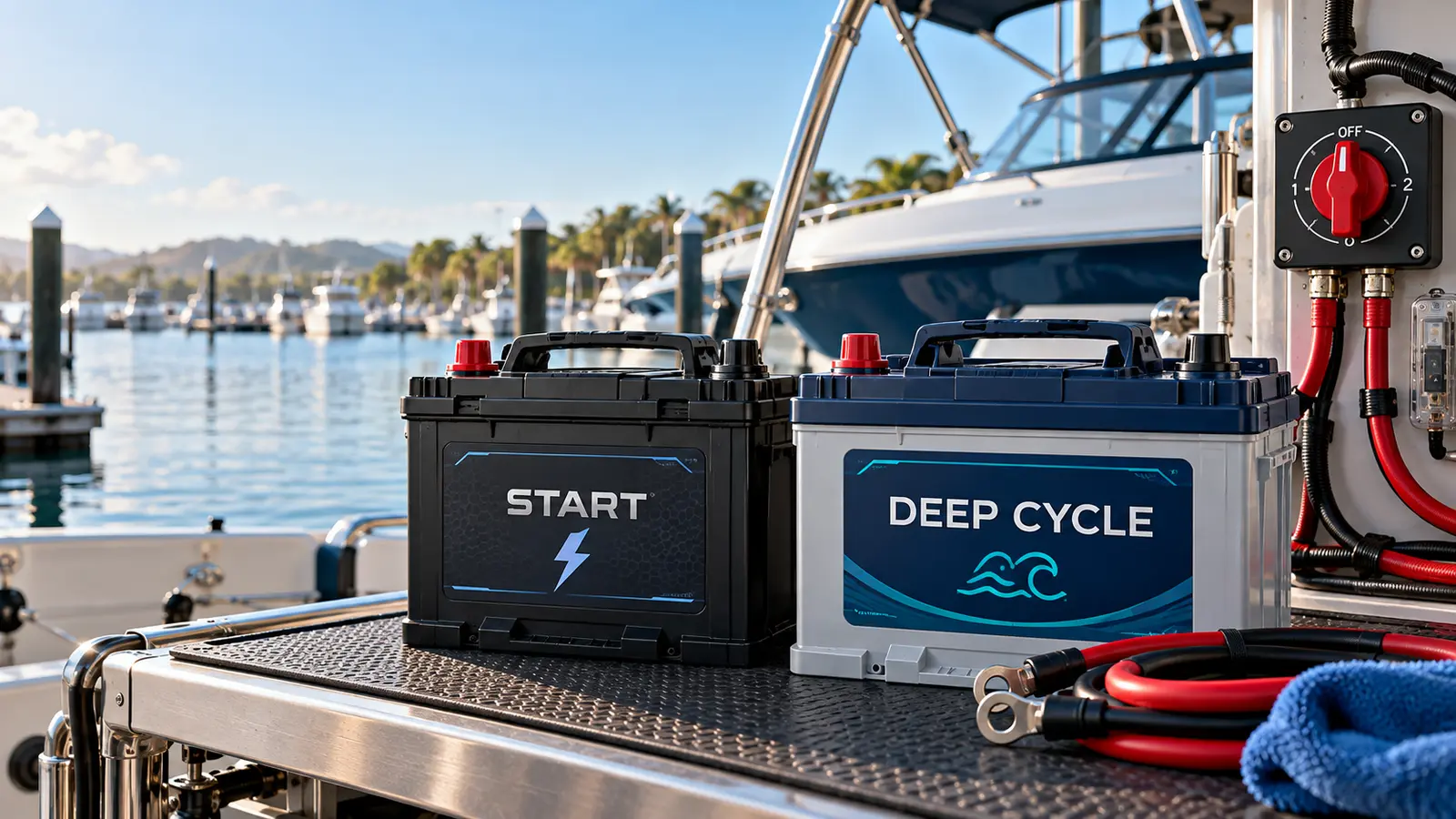
Compare cranking output, cycling, ratings and bank layouts before choosing a marine battery.
Choose the right battery role →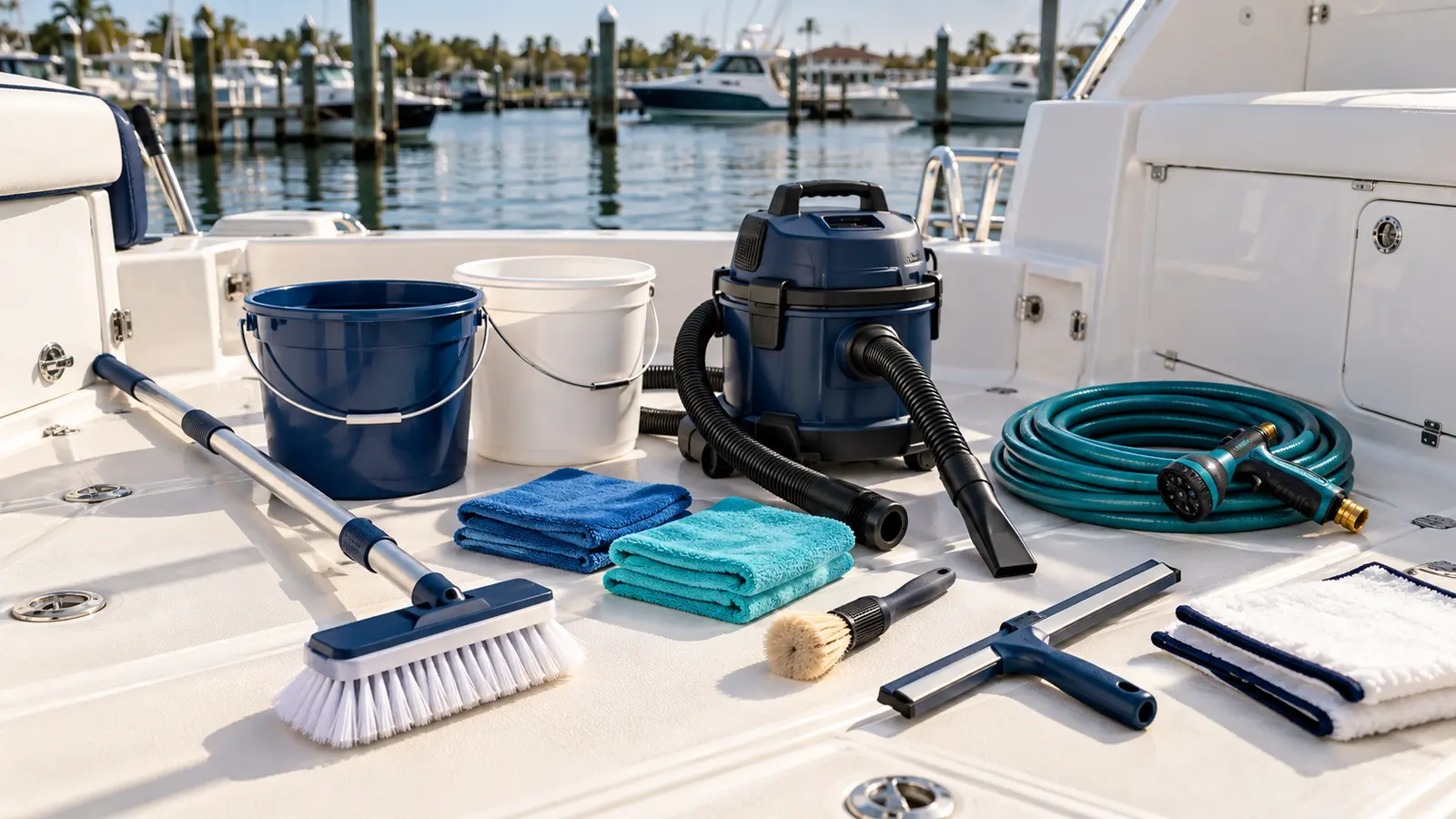
Build a compact surface-aware kit with the brushes, cloths, hose gear and vacuum tools that solve real cleaning jobs.
Build the right cleaning kit →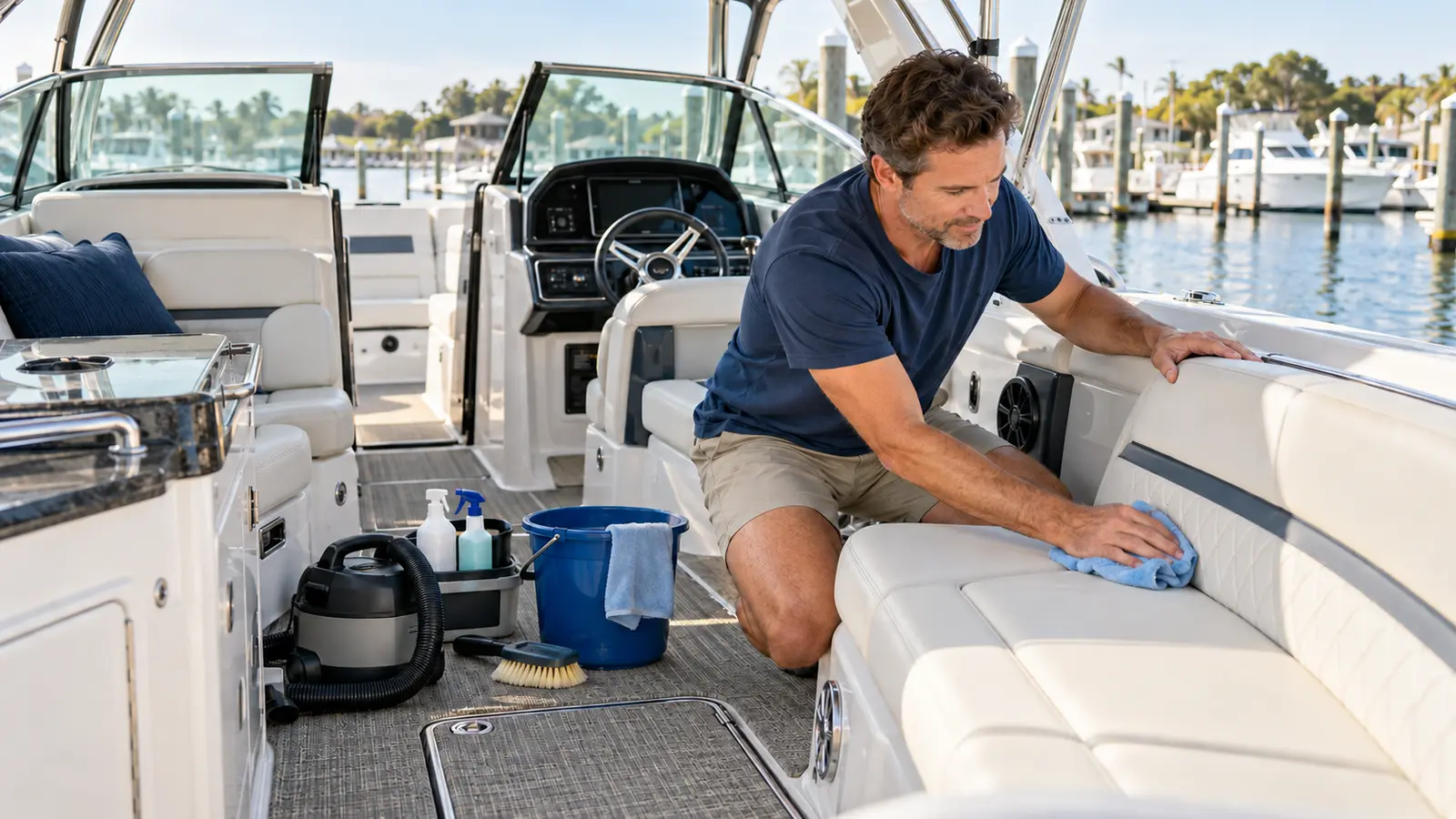
Clean vinyl, fabric, flooring, hard panels, windows and helm areas without treating them as one material.
Clean the interior safely →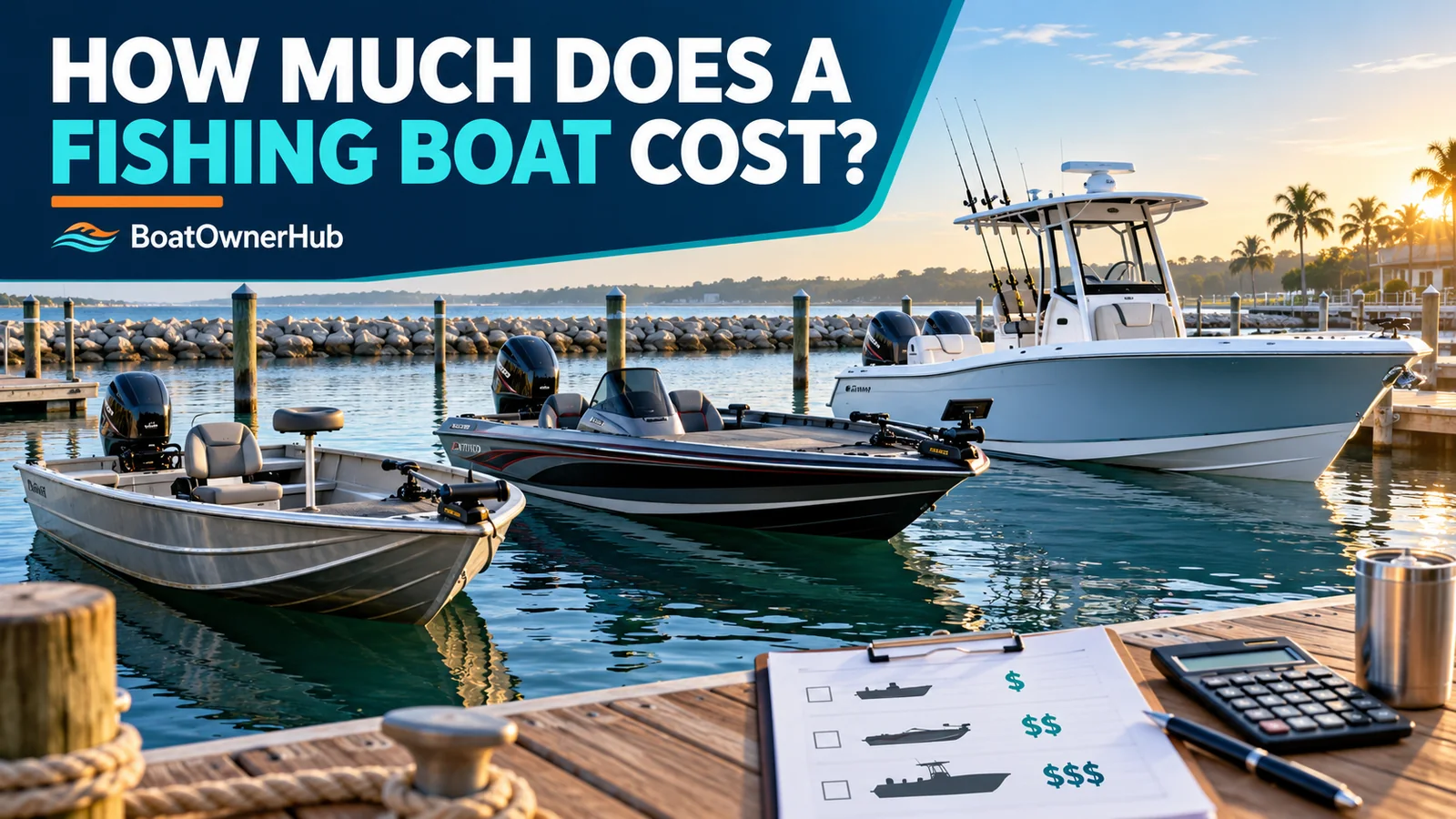
Compare current package examples, then budget for the trailer, tax, storage, insurance, fuel and maintenance.
Build the full fishing boat budget →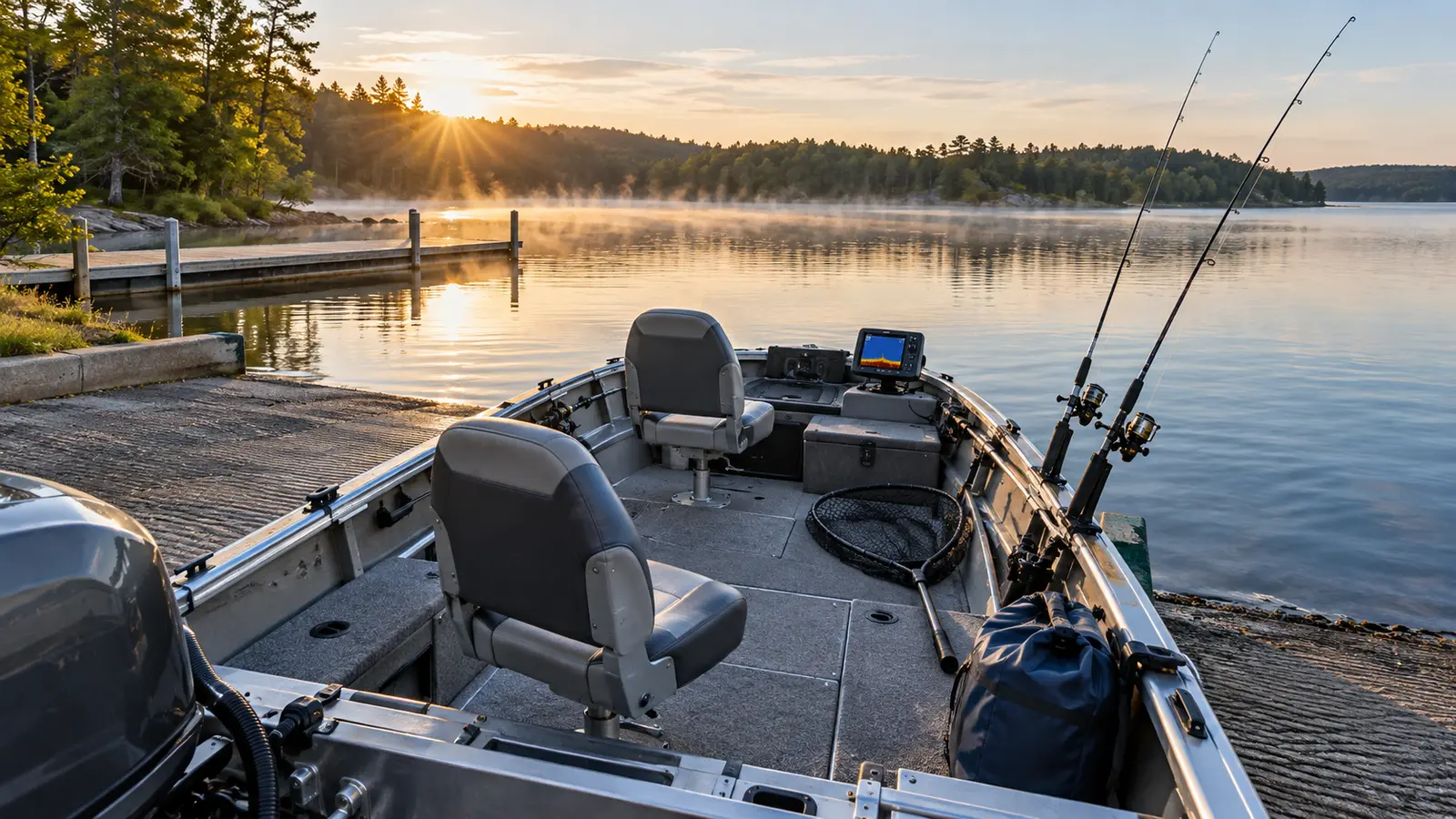
Choose useful sonar, storage and handling upgrades by fit, mounting, wiring and real boat use.
Plan an aluminum boat setup →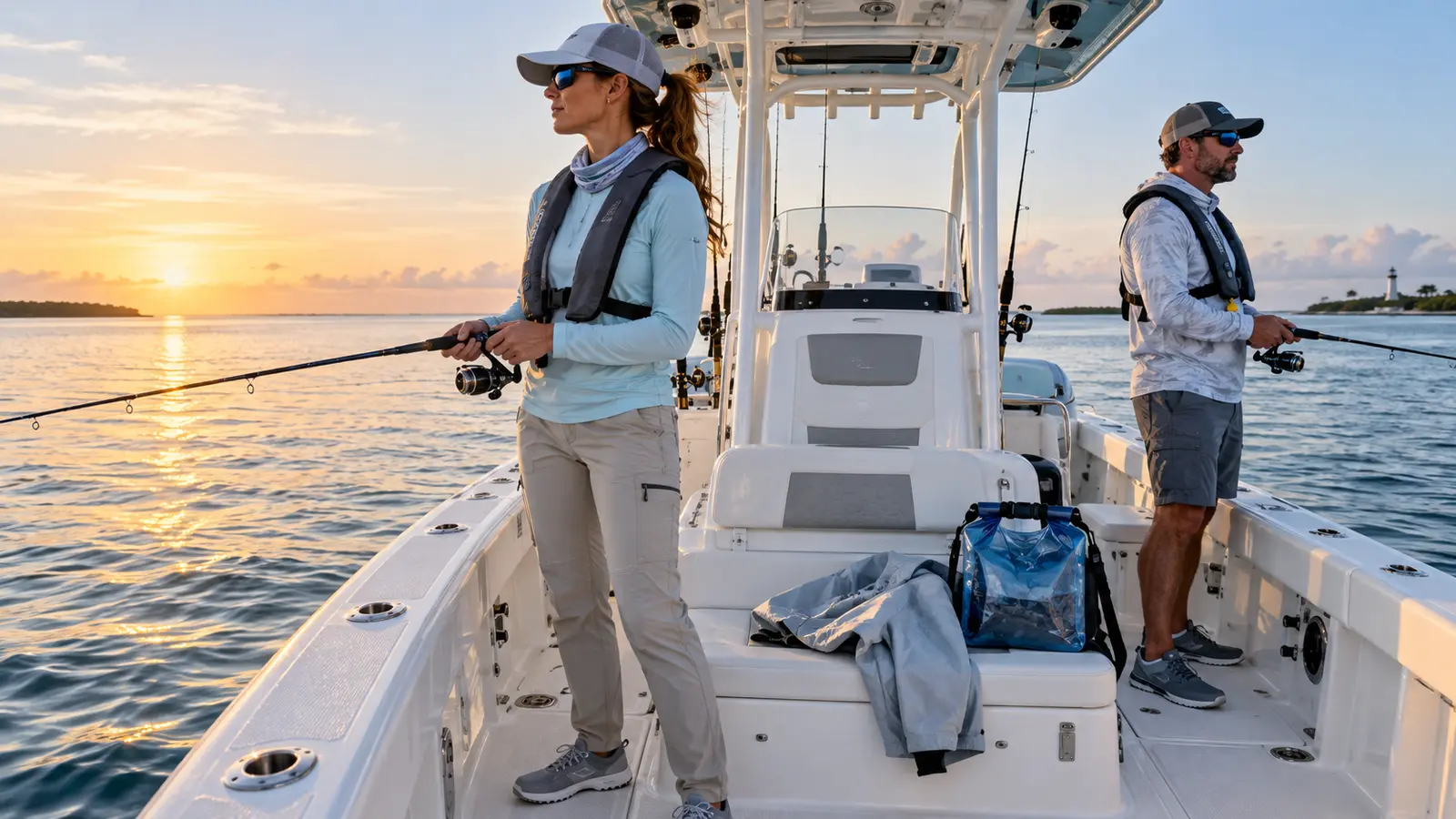
Choose layers, sun protection, a life jacket and secure deck shoes for the water and forecast.
Build the right outfit →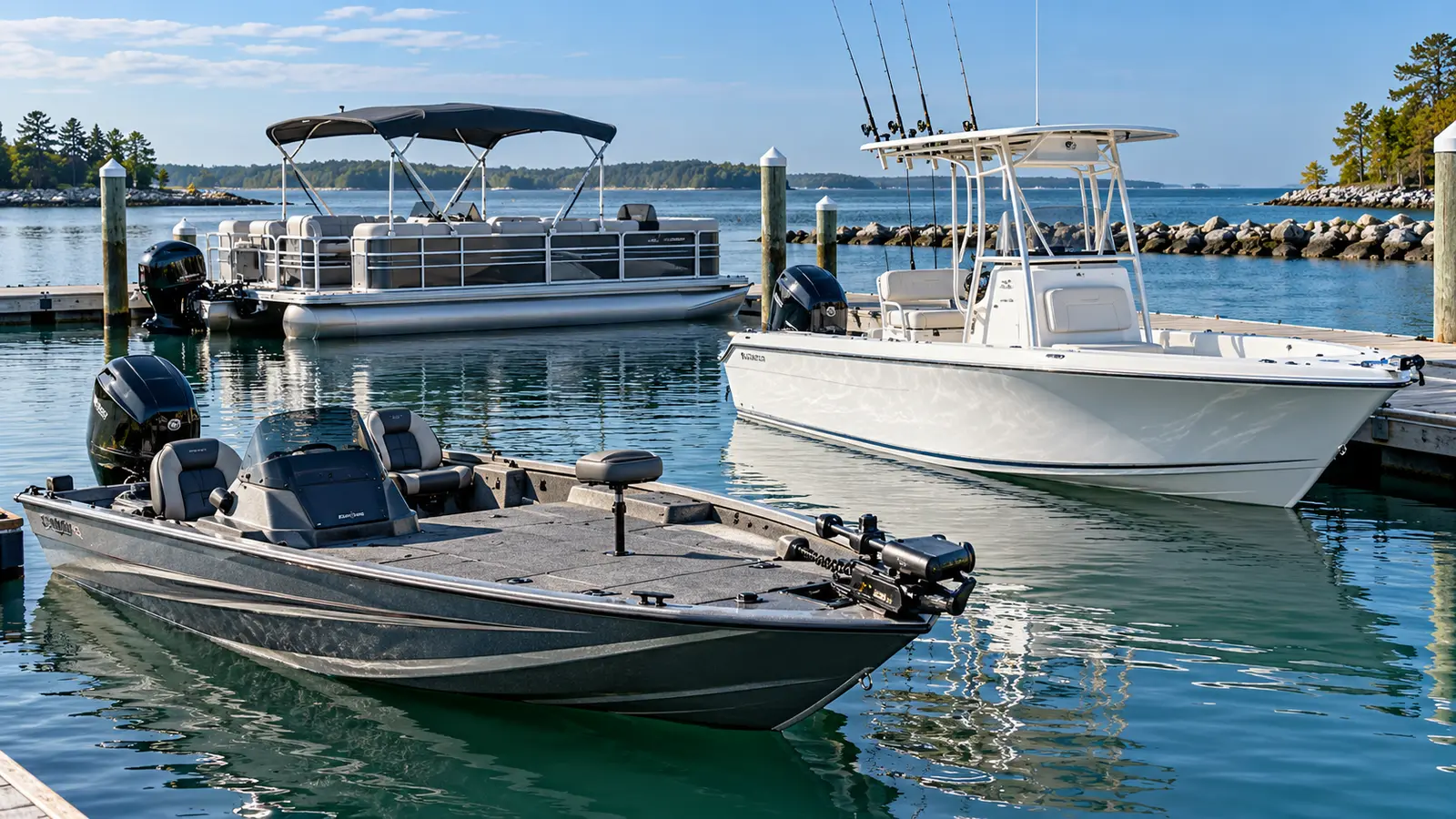
Compare bass boats, multi-species boats, jon boats, skiffs, center consoles, pontoons and portable craft by real use.
Compare fishing boat types →
Apply the overtaking rules, slow early, control your wake and choose the safest passing side for the actual waterway.
Learn the safe passing steps →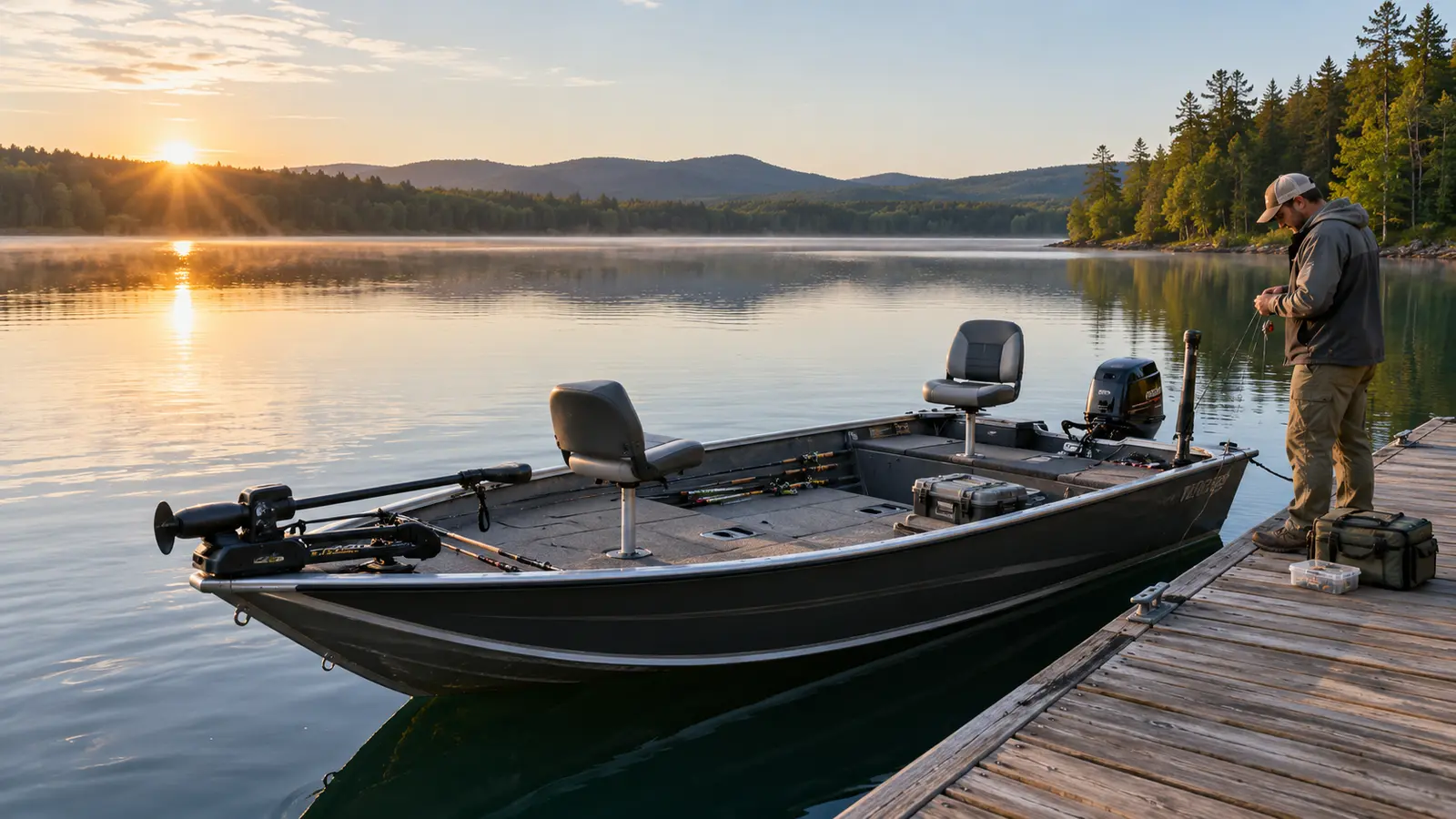
Match the hull, size, layout, power and trailer to the lake and crew you will actually use.
Choose the right type →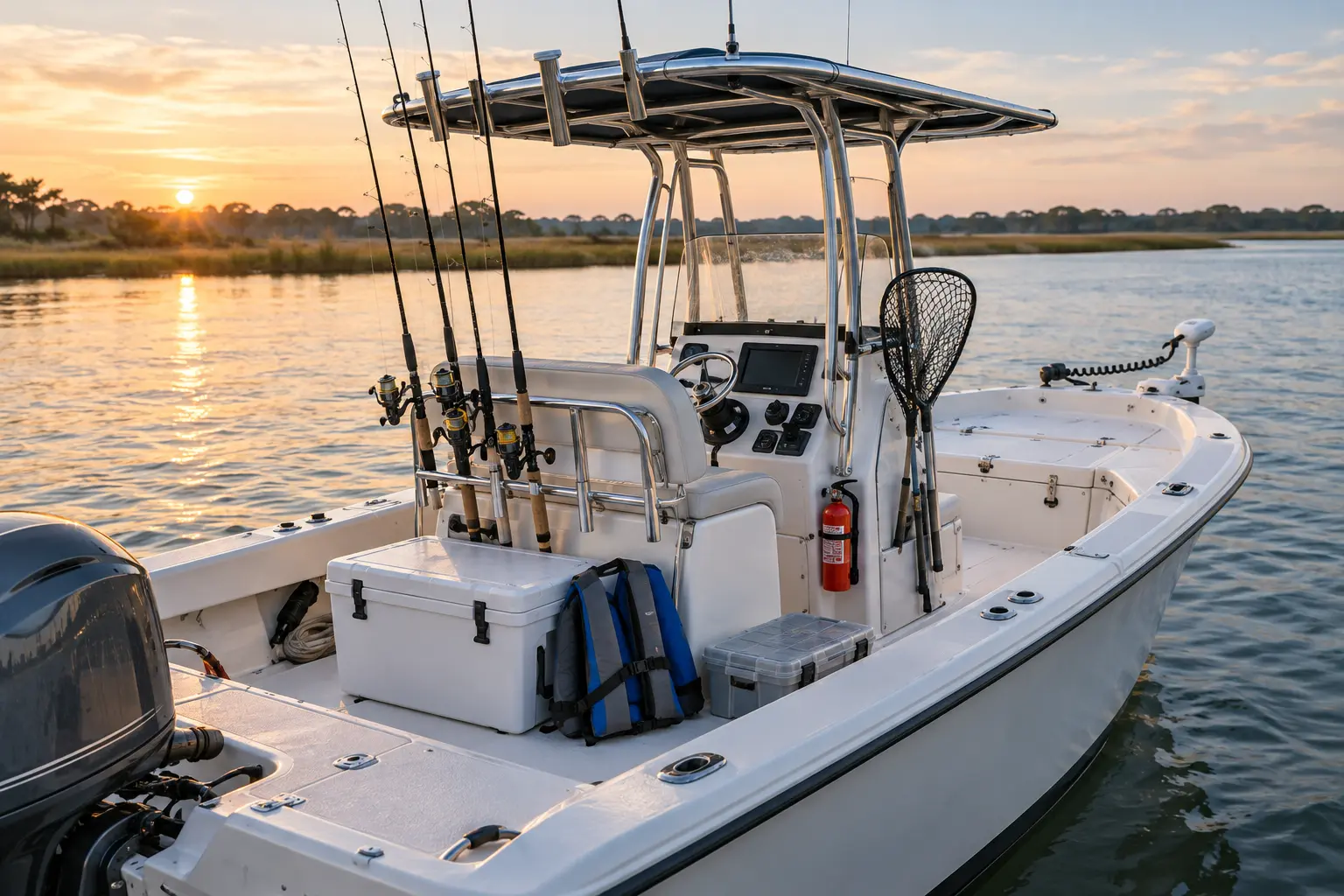
Build a first-trip checklist around safety, current regulations, compact tackle, secure storage and changing conditions.
Use the checklist →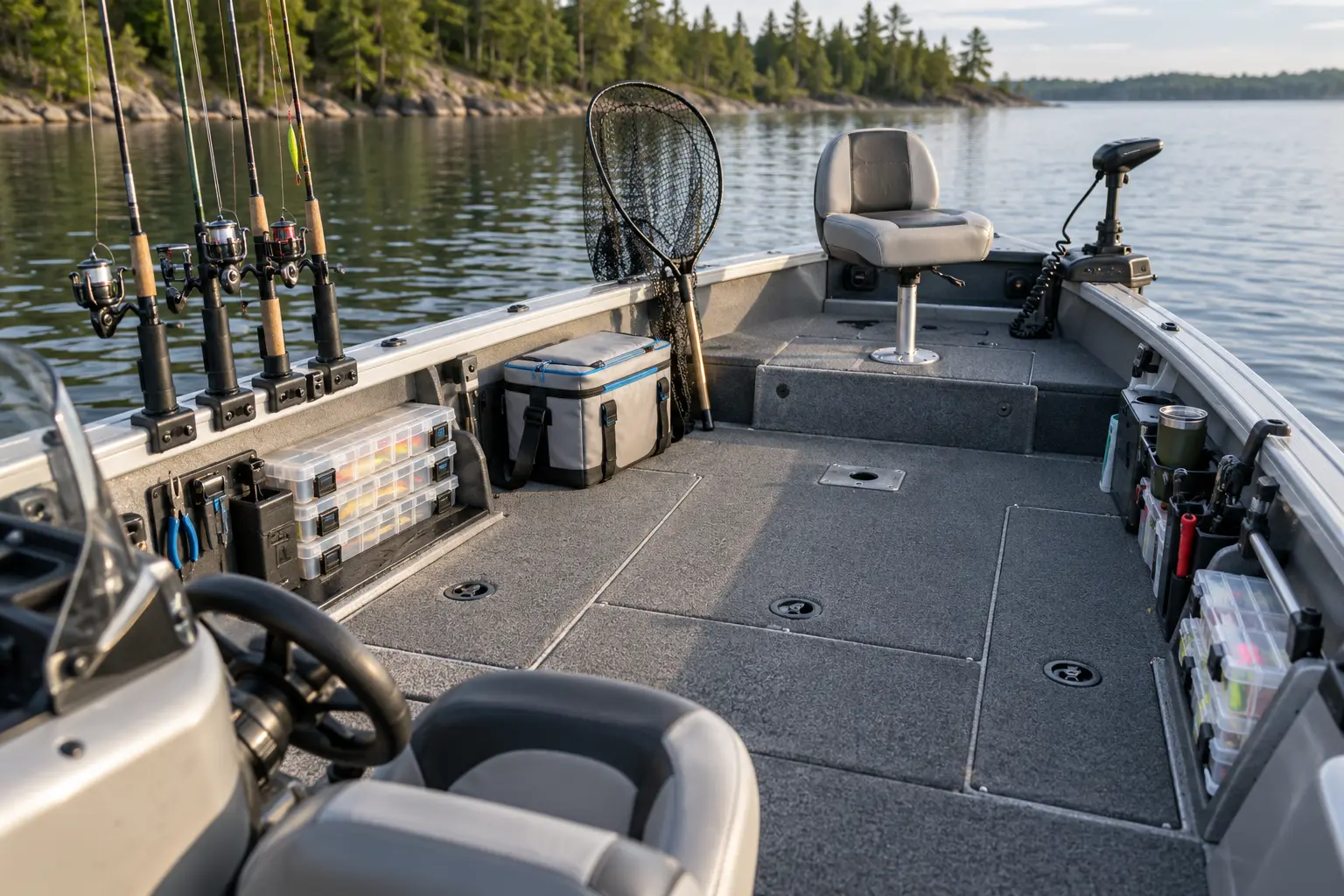
Use clear movement zones and secure rods, tackle, nets, coolers and tools without blocking safety equipment.
Organize the deck →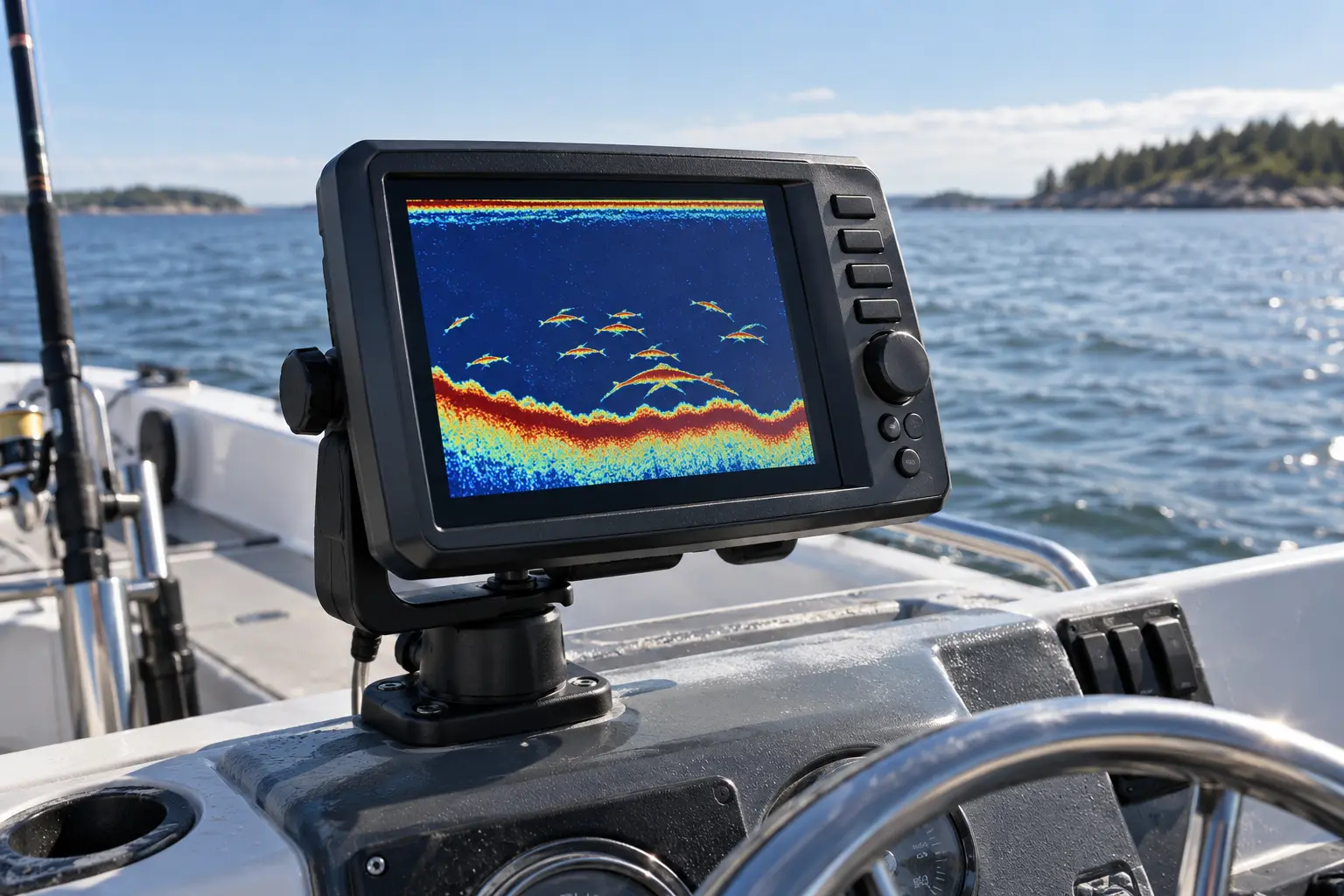
Match sonar, GPS, mapping, display, transducer and installation requirements to your boat and water.
Choose the right features →