Build a load list
Record the current draw and expected runtime for sonar, pumps, radios, lighting and other equipment.
Electronics become dependable when load, battery capacity, charging, circuit protection and installation are planned together.
Reviewed October 1, 2026
Record the current draw and expected runtime for sonar, pumps, radios, lighting and other equipment.
Protect starting ability and consider dedicated house or trolling circuits where the boat setup requires them.
Use correctly sized marine wiring, circuit protection, supported connections and corrosion-resistant practices.
Browse the newest fishing boat articles. Up to 16 appear on each page.
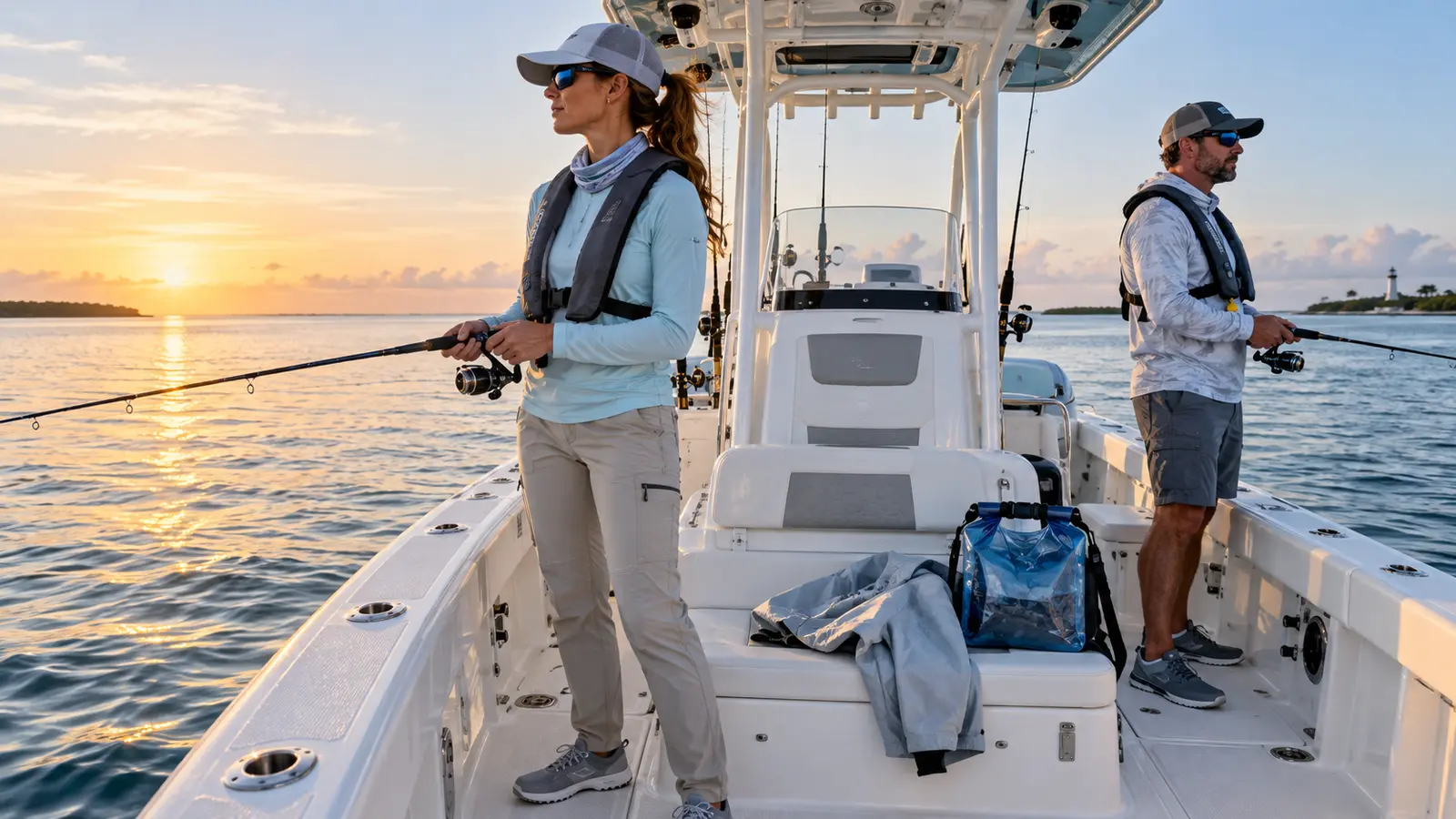
Choose layers, sun protection, a life jacket and secure deck shoes for the water and forecast.
Read guide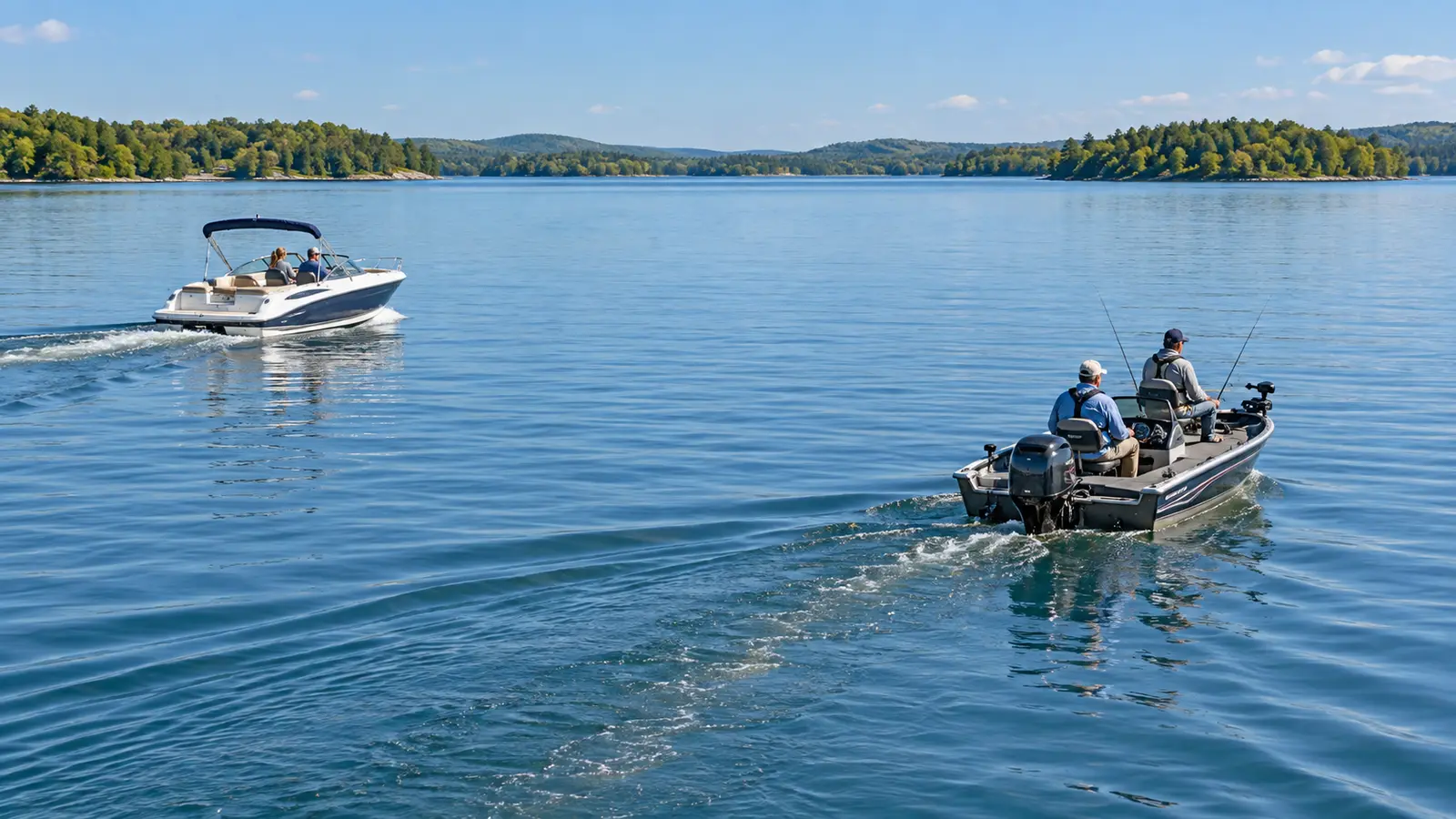
Apply the overtaking rules, slow early, control your wake and choose the safest passing side for the actual waterway.
Read guide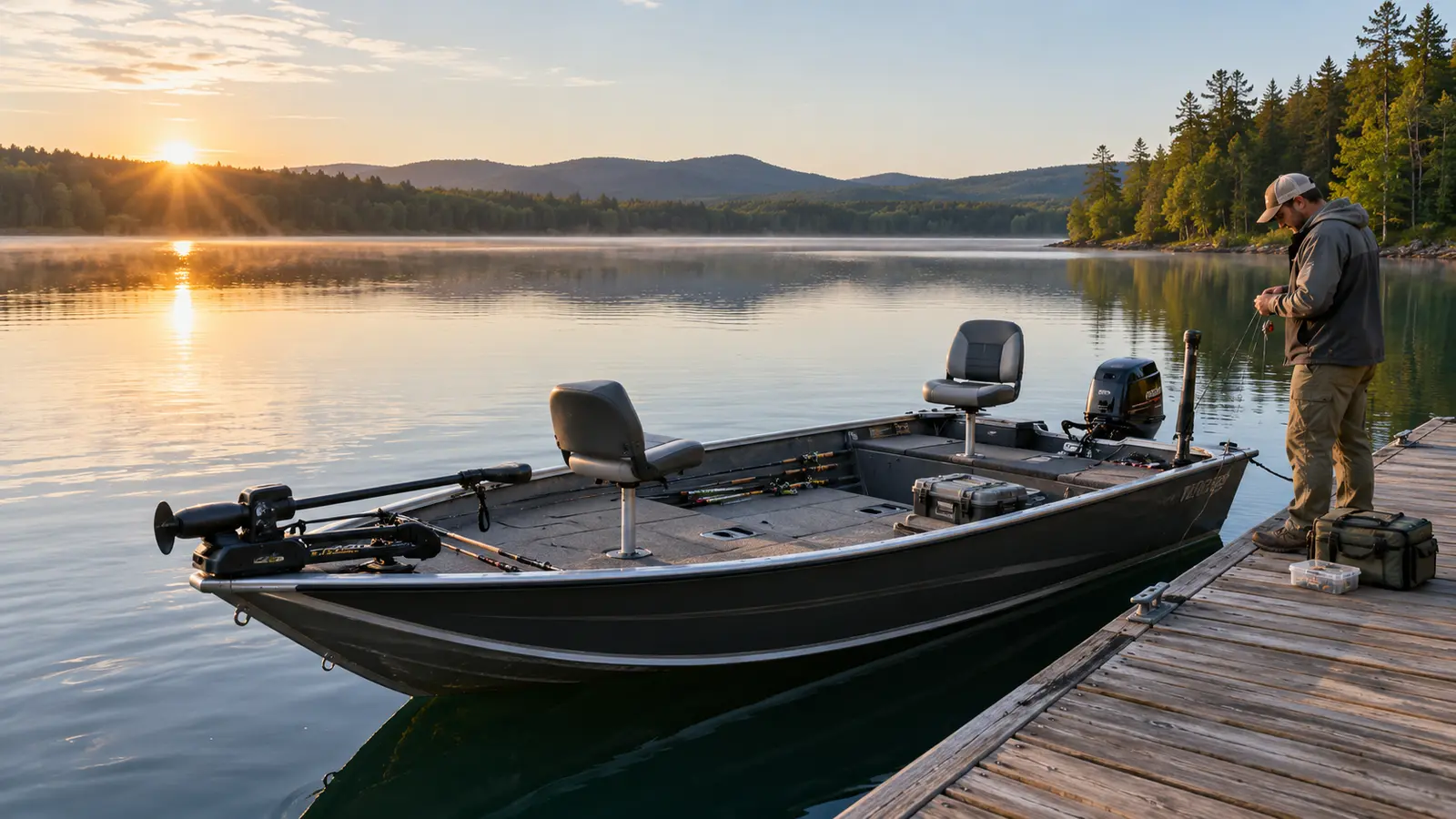
Match the hull, size, layout, power and trailer to the lake and crew you will actually use.
Read guide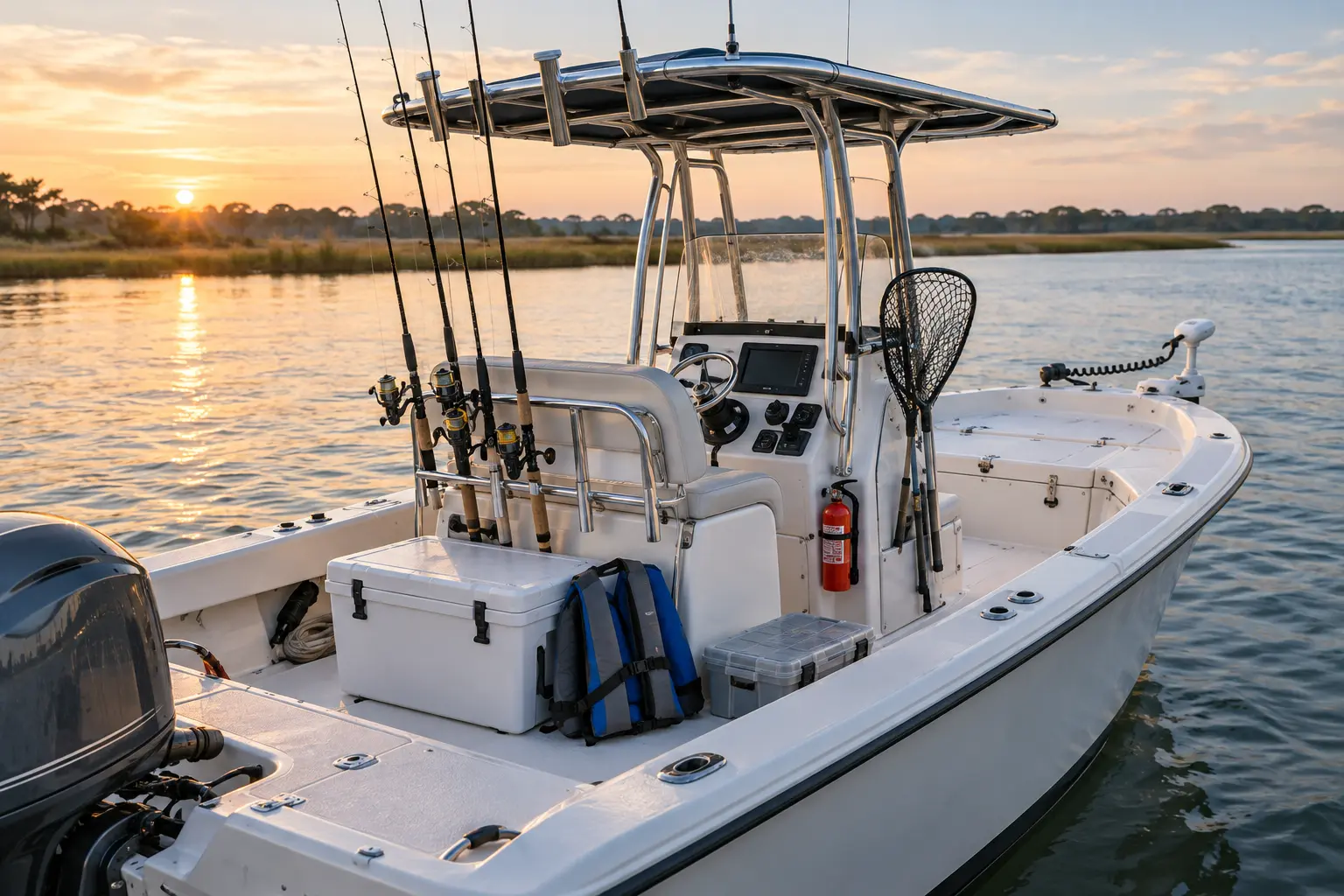
Build a first-trip checklist around safety, current regulations, compact tackle, secure storage and changing conditions.
Read guide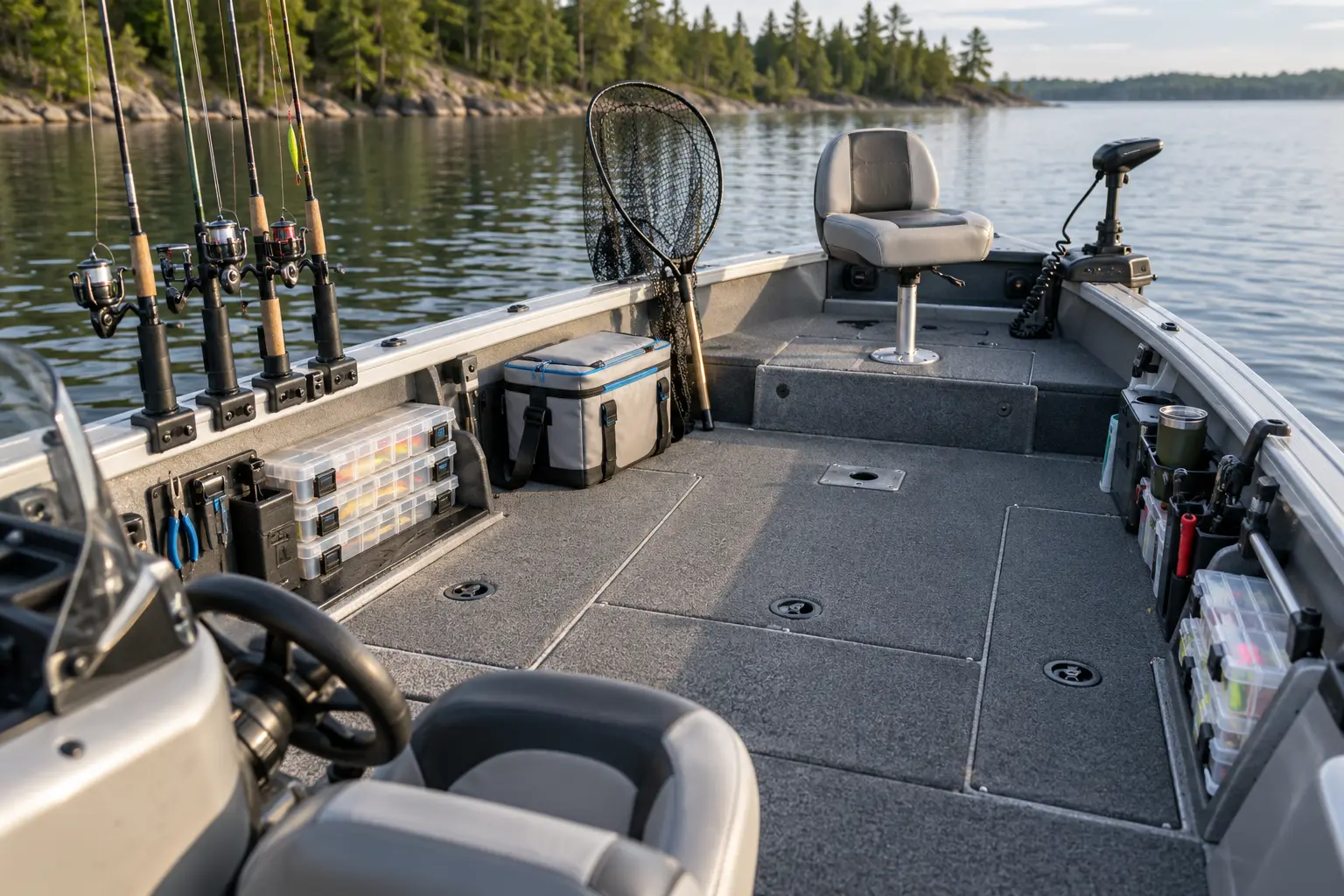
Use clear movement zones and secure rods, tackle, nets, coolers and tools without blocking safety equipment.
Read guide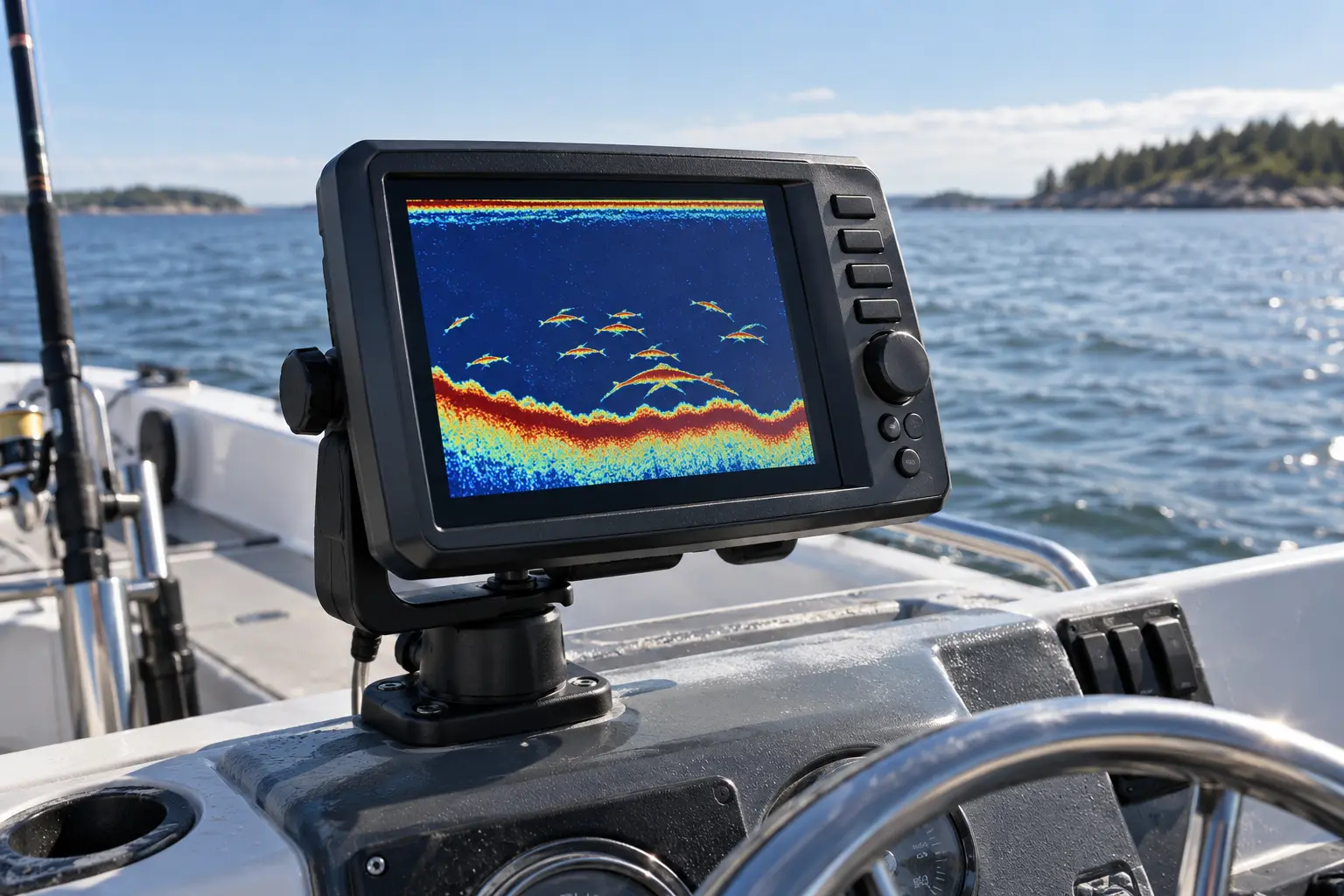
Match sonar, GPS, mapping, display, transducer and installation requirements to your boat and water.
Read guideIt depends on the boat and load plan. A dedicated house circuit can reduce interference and protect starting reserve. Review the marine battery guides before changing the system.
Add the expected amp draw of operating devices, compare it with usable battery capacity and keep a conservative reserve. Use the battery runtime calculator for a first estimate.
Possible causes include shared noisy circuits, poor grounds, routing near ignition or trolling-motor wiring, loose connections, transducer placement and incorrect settings.
A VHF radio is an important communication tool on waters where marine channels are monitored. Check the FCC ship radio guidance for U.S. rules.
Solar output varies with panel rating, sun, shading, controller losses and battery capacity. Use the boat solar calculator to compare production and demand.
Review current marine warnings, wind, waves, visibility, thunderstorms and relevant tide or current predictions. NOAA’s recreational boating resources link to official forecasts and tide tools.
Only completed, source-checked product reviews are listed as recommendations.