Match the water
Separate protected lakes and rivers, inshore coastal water and offshore conditions before comparing hulls.
Start with where and how you fish. The right hull, deck, storage and power setup follows from that decision.
Reviewed October 1, 2026
Separate protected lakes and rivers, inshore coastal water and offshore conditions before comparing hulls.
Count anglers, casting space, rod storage, livewell needs and safe routes between bow, console and stern.
Include trailer, electronics, batteries, safety equipment, storage, fuel and recurring maintenance.
Browse the newest fishing boat articles. Up to 16 appear on each page.
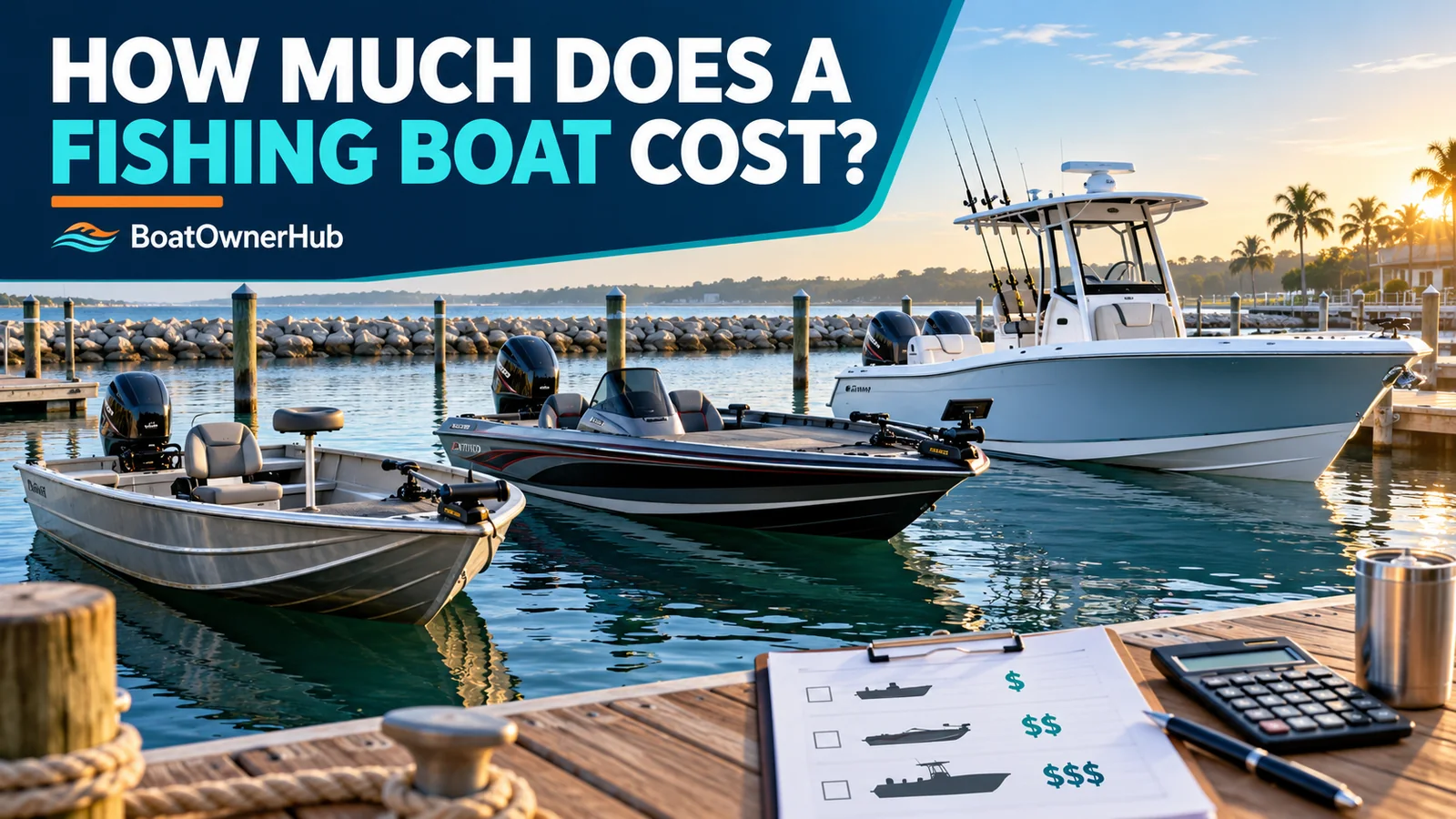
Compare current package examples, then budget for the trailer, tax, storage, insurance, fuel and maintenance.
Read guide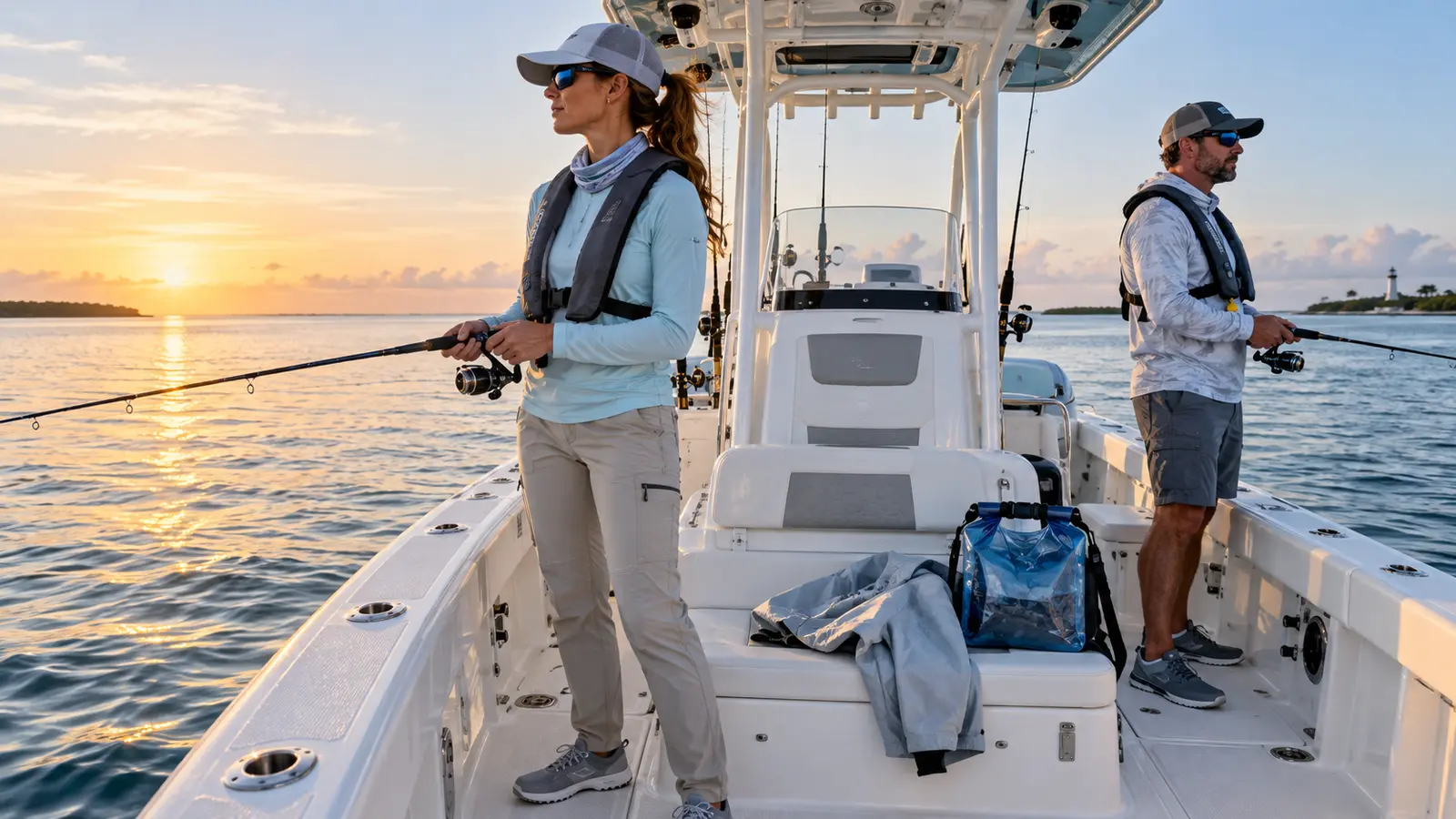
Choose layers, sun protection, a life jacket and secure deck shoes for the water and forecast.
Read guide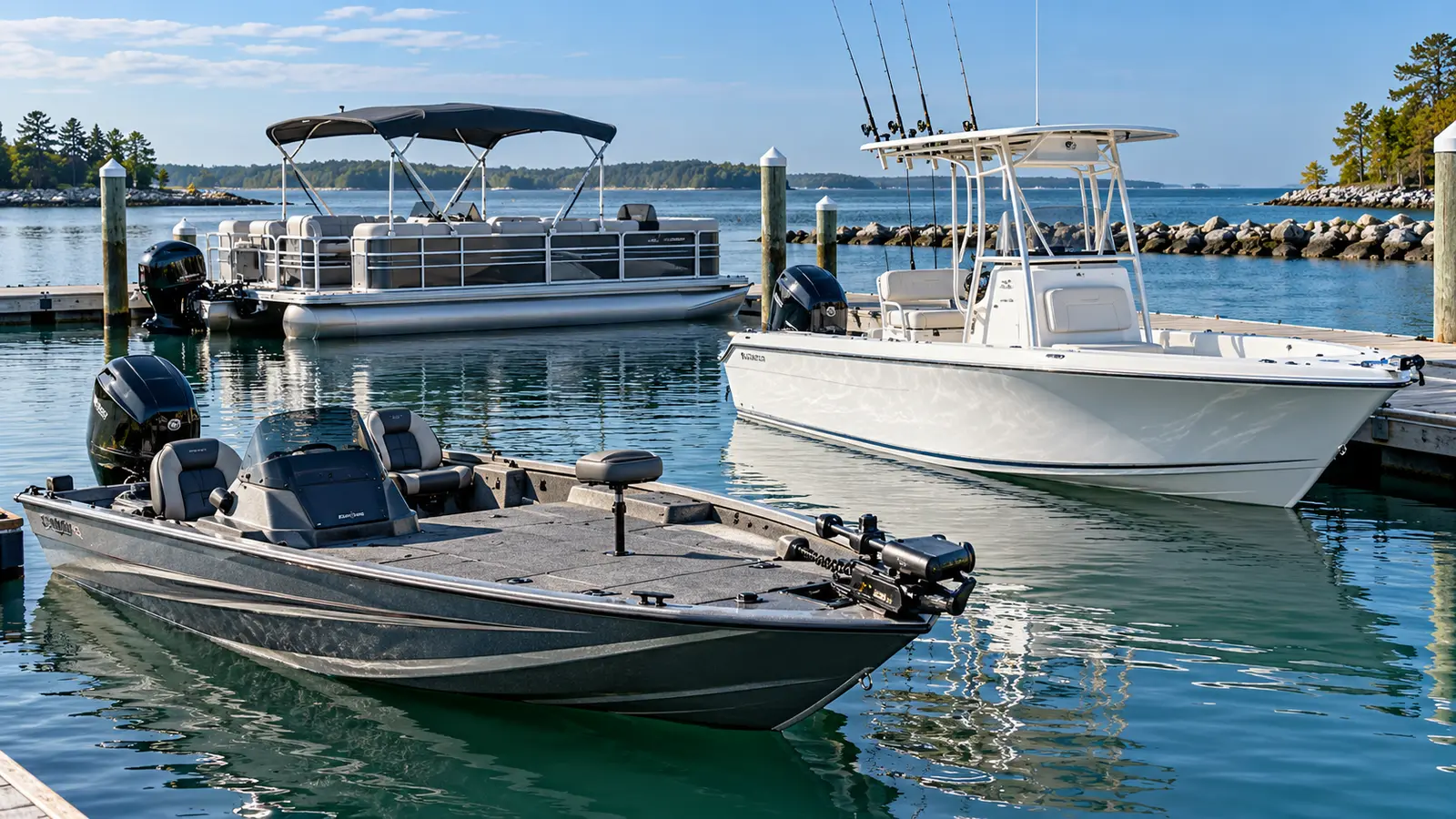
Compare bass boats, multi-species boats, jon boats, skiffs, center consoles, pontoons and portable craft by real use.
Read guide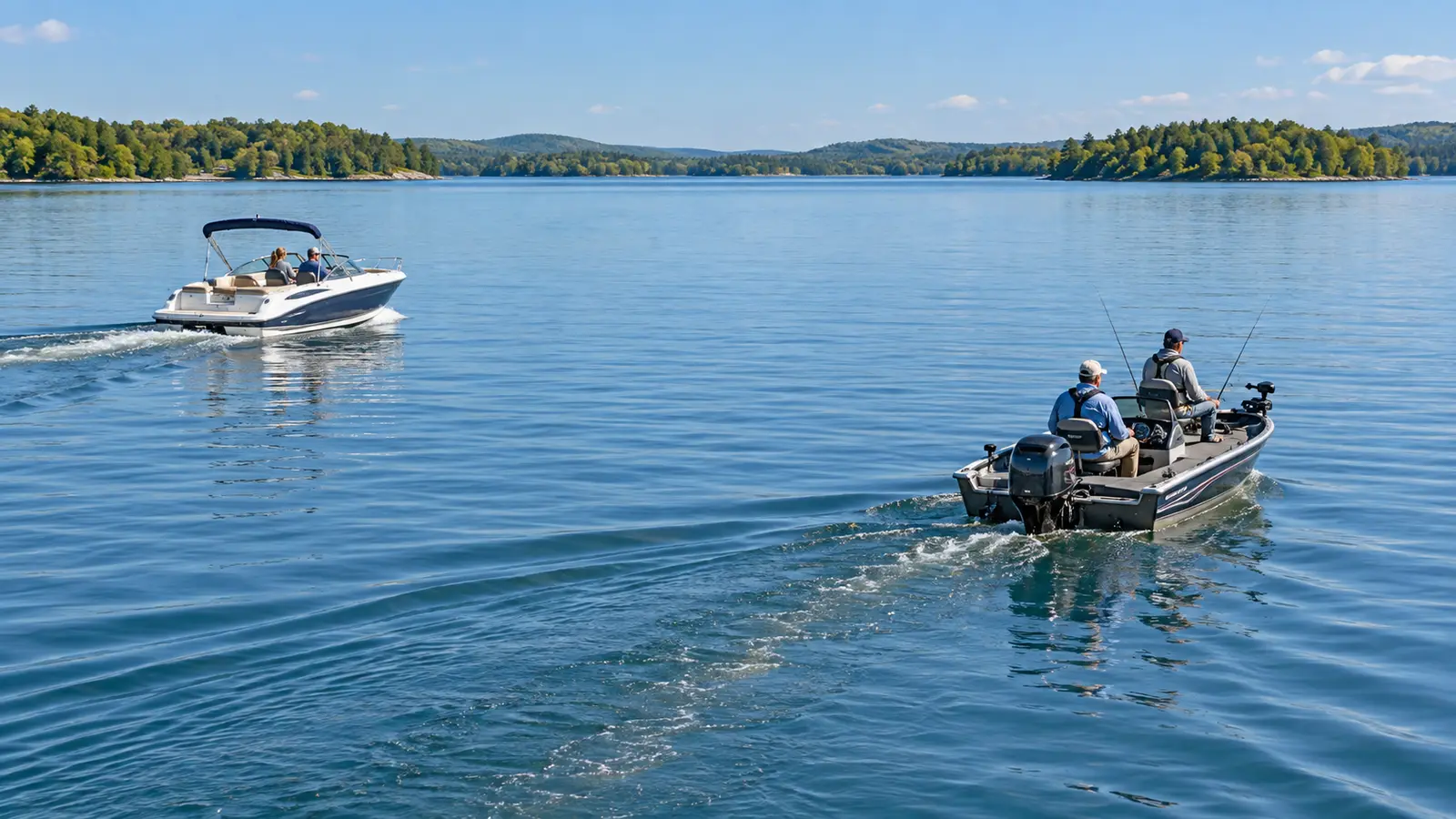
Apply the overtaking rules, slow early, control your wake and choose the safest passing side for the actual waterway.
Read guide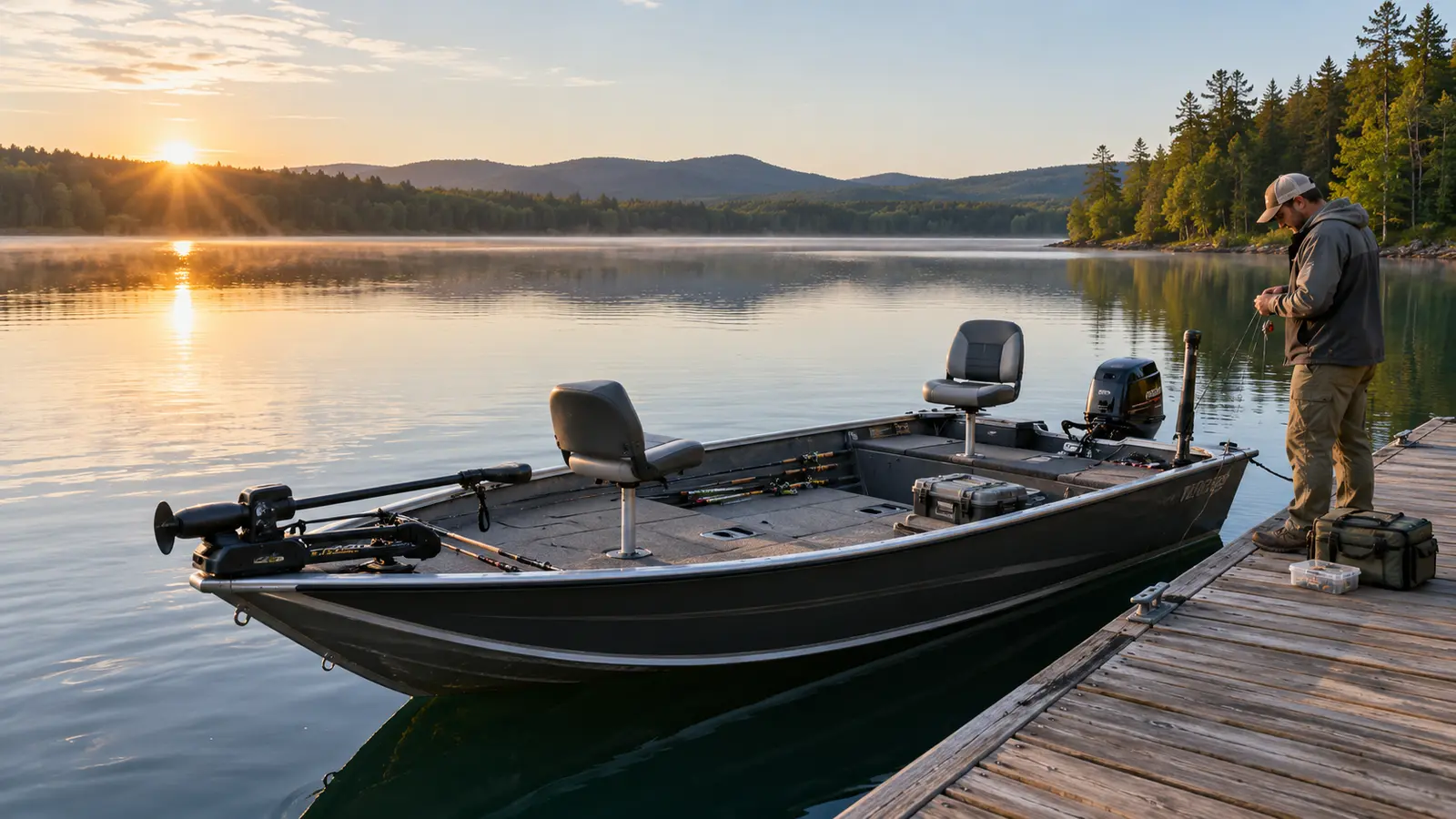
Match the hull, size, layout, power and trailer to the lake and crew you will actually use.
Read guide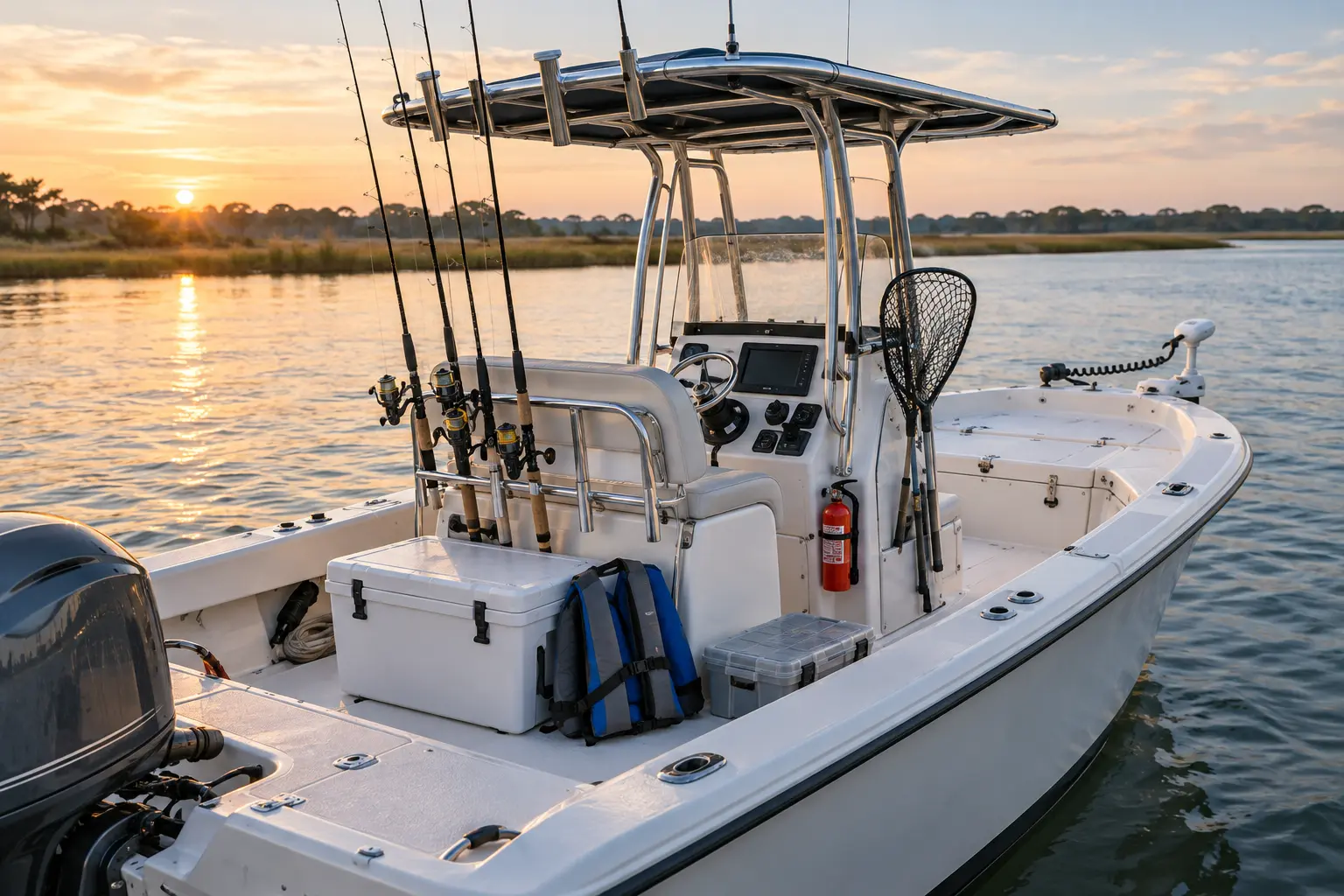
Build a first-trip checklist around safety, current regulations, compact tackle, secure storage and changing conditions.
Read guide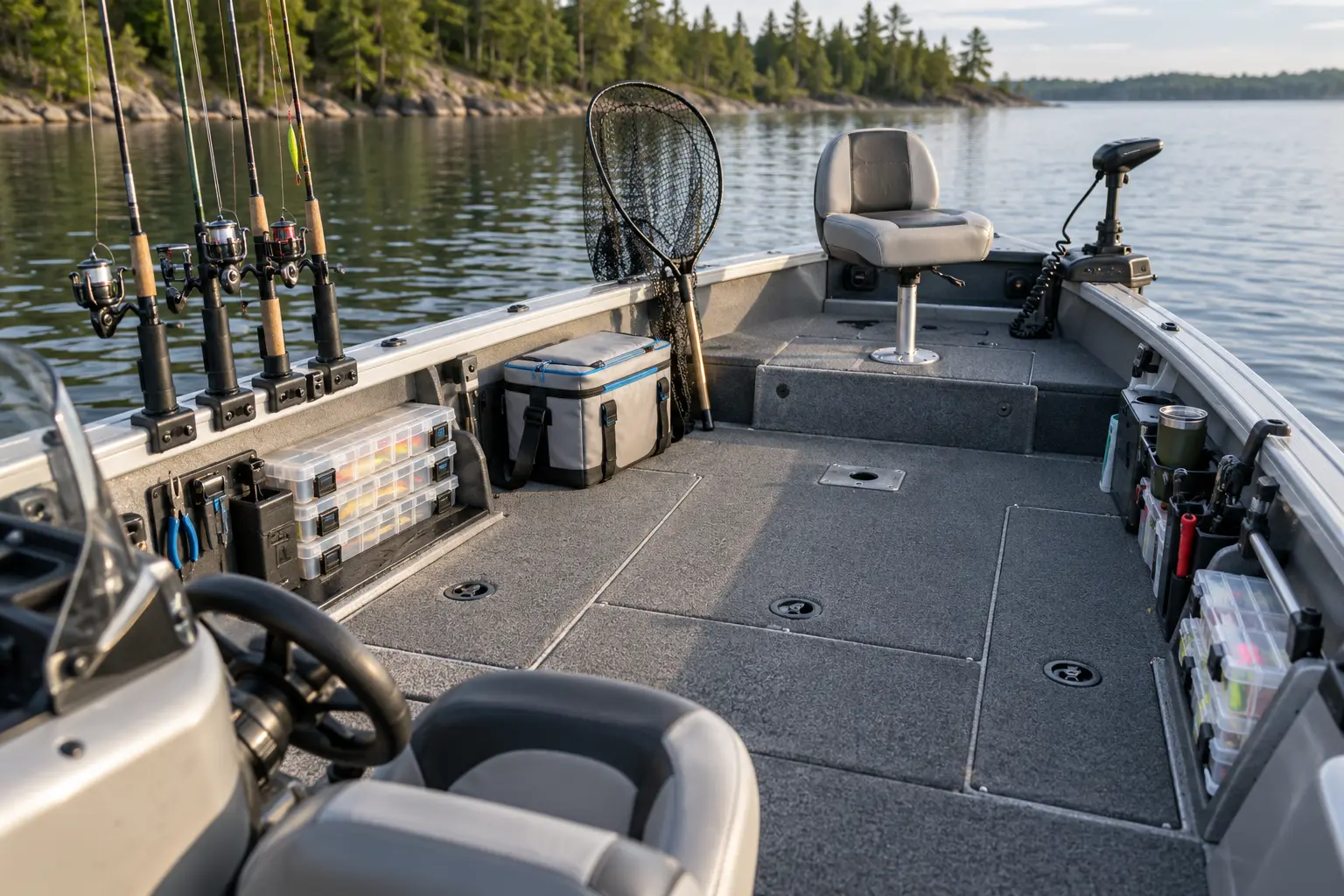
Use clear movement zones and secure rods, tackle, nets, coolers and tools without blocking safety equipment.
Read guide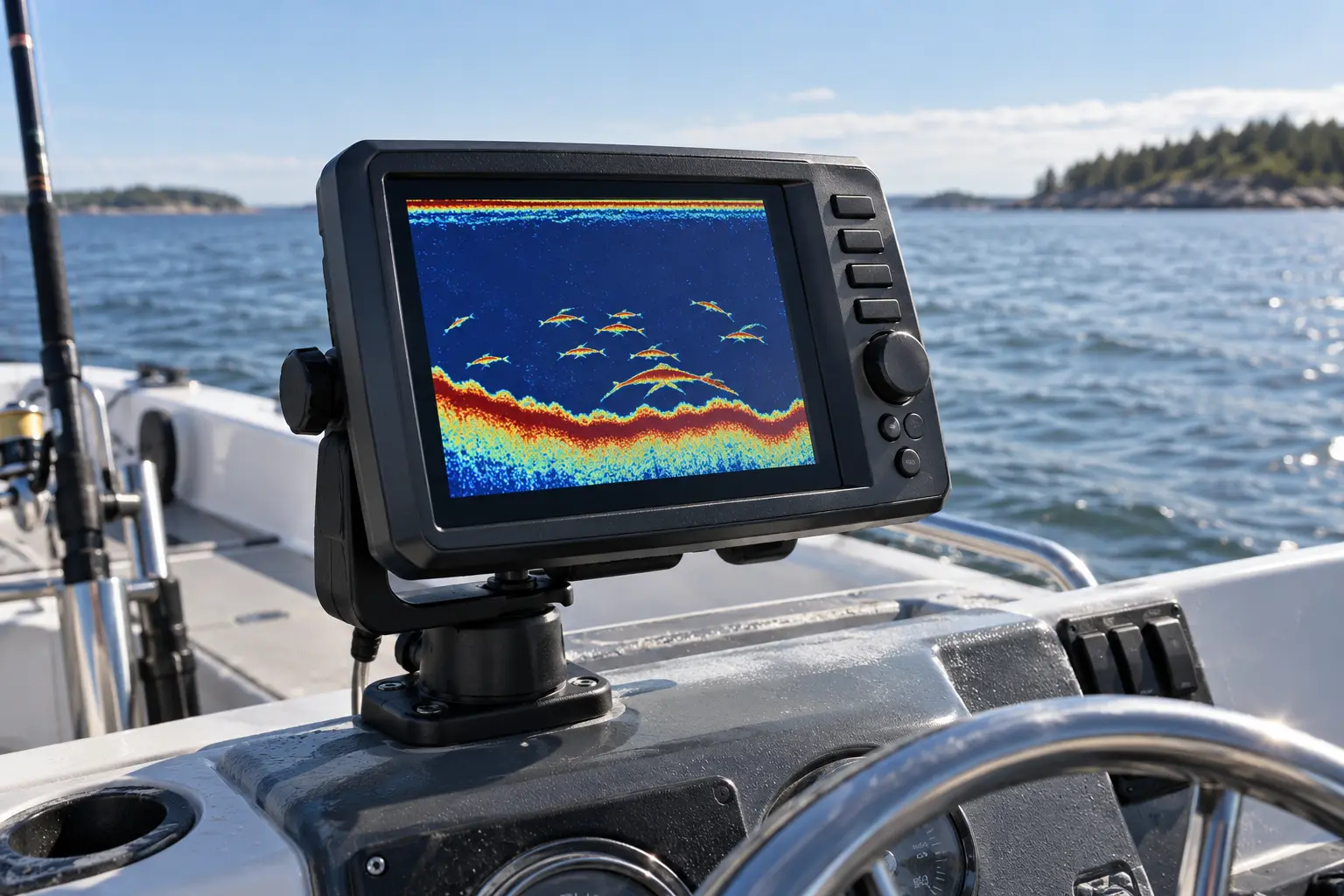
Match sonar, GPS, mapping, display, transducer and installation requirements to your boat and water.
Read guidePrioritize safe capacity, the water you will actually use, reliable power, a workable deck and ownership costs before optional fishing features. Start with our lake fishing boat guide if you fish protected freshwater.
Choose around water conditions, crew size, fishing method, storage, tow vehicle and the boat’s capacity limits, not length alone.
Aluminum is often lighter and easier to tow, while fiberglass can offer more mass, molded layouts and a different ride. Construction quality and intended water matter more than a universal winner.
No. More length can add capability and space, but it can also increase towing, storage, fuel and maintenance requirements.
Inspect the hull and structure, engine records, steering, fuel and electrical systems, trailer, pumps and electronics, and use a qualified surveyor or technician when appropriate.
Requirements depend on boat type, length, location and operation. Use the U.S. Coast Guard federal requirements guide, then verify current state rules and build your fishing essentials checklist.
Only completed, source-checked product reviews are listed as recommendations.