How to Install a Humminbird PiranhaMAX 4
Mount the display and transducer, route cables, connect power safely and complete the in-water test.
Open the installation guide →A fish finder is a system: display, sonar, transducer, power, mounting and mapping must work together on your boat.
Reviewed October 1, 2026
Match traditional, down-imaging, side-imaging or live sonar to depth, water and fishing method.
Verify compatibility, mounting position, hull material, operating speed and unobstructed water flow.
Size wiring and protection correctly, then place the display where it is readable without blocking controls.
Browse the newest fishing boat articles. Up to 16 appear on each page.
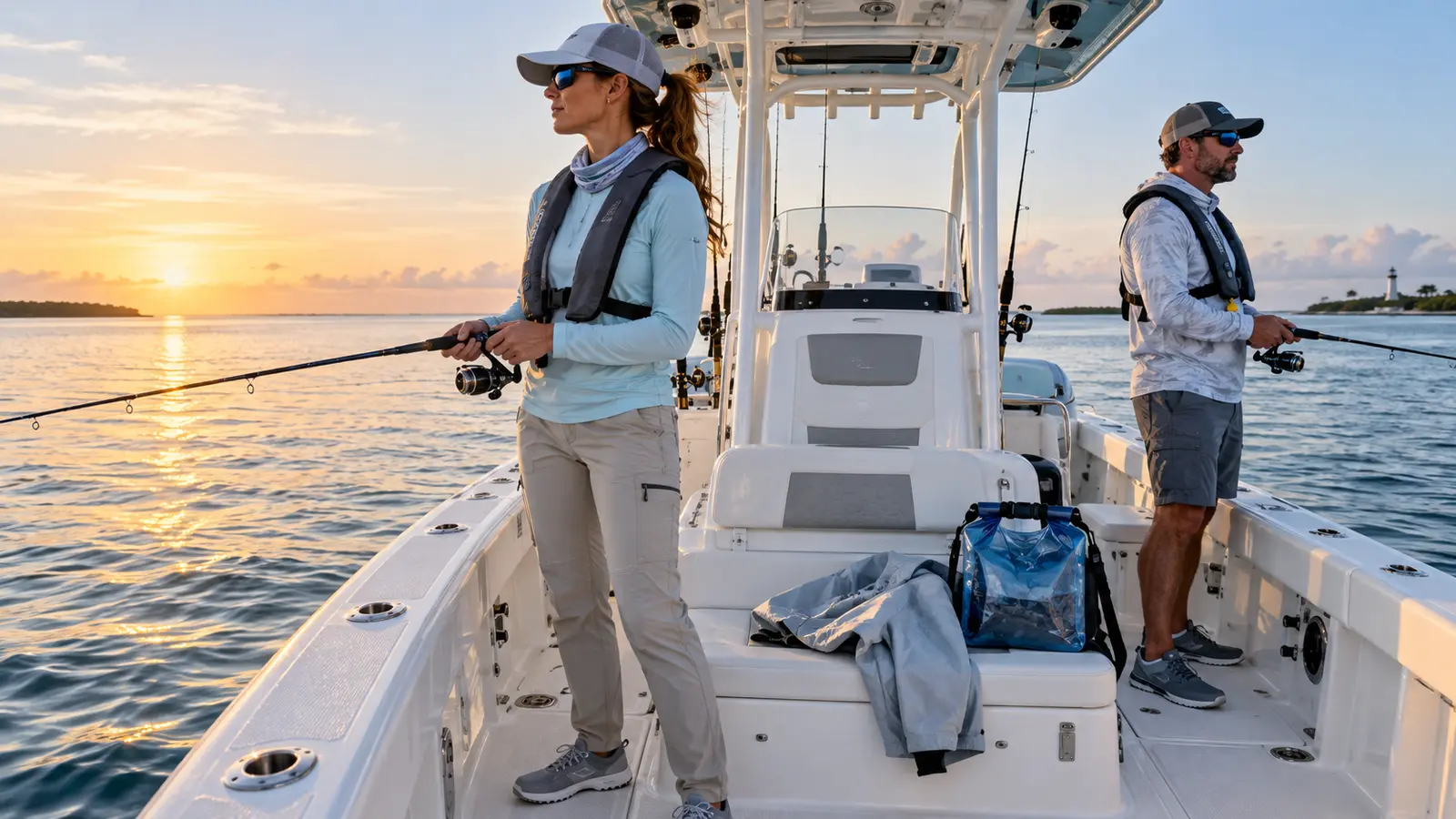
Choose layers, sun protection, a life jacket and secure deck shoes for the water and forecast.
Read guide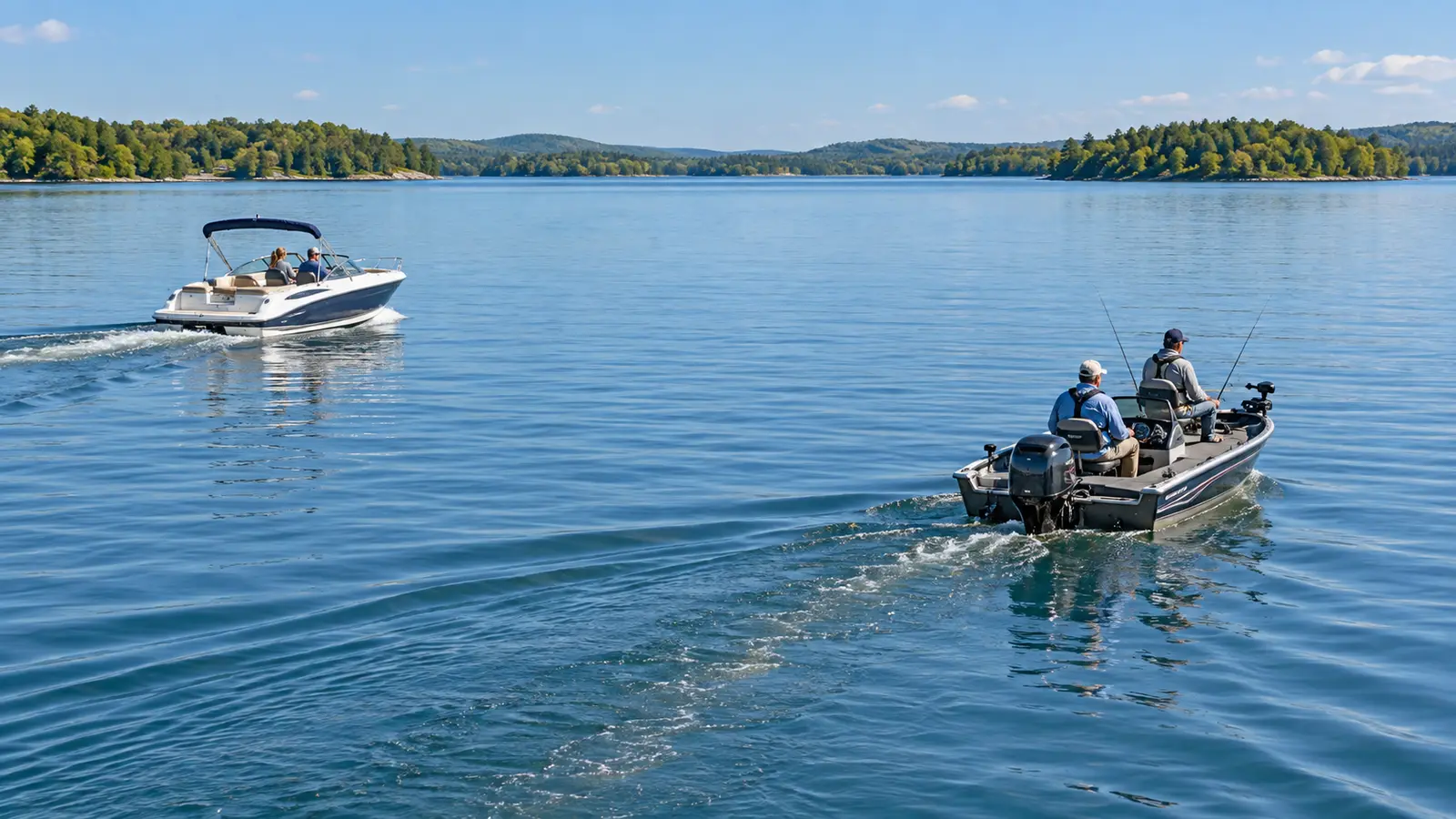
Apply the overtaking rules, slow early, control your wake and choose the safest passing side for the actual waterway.
Read guide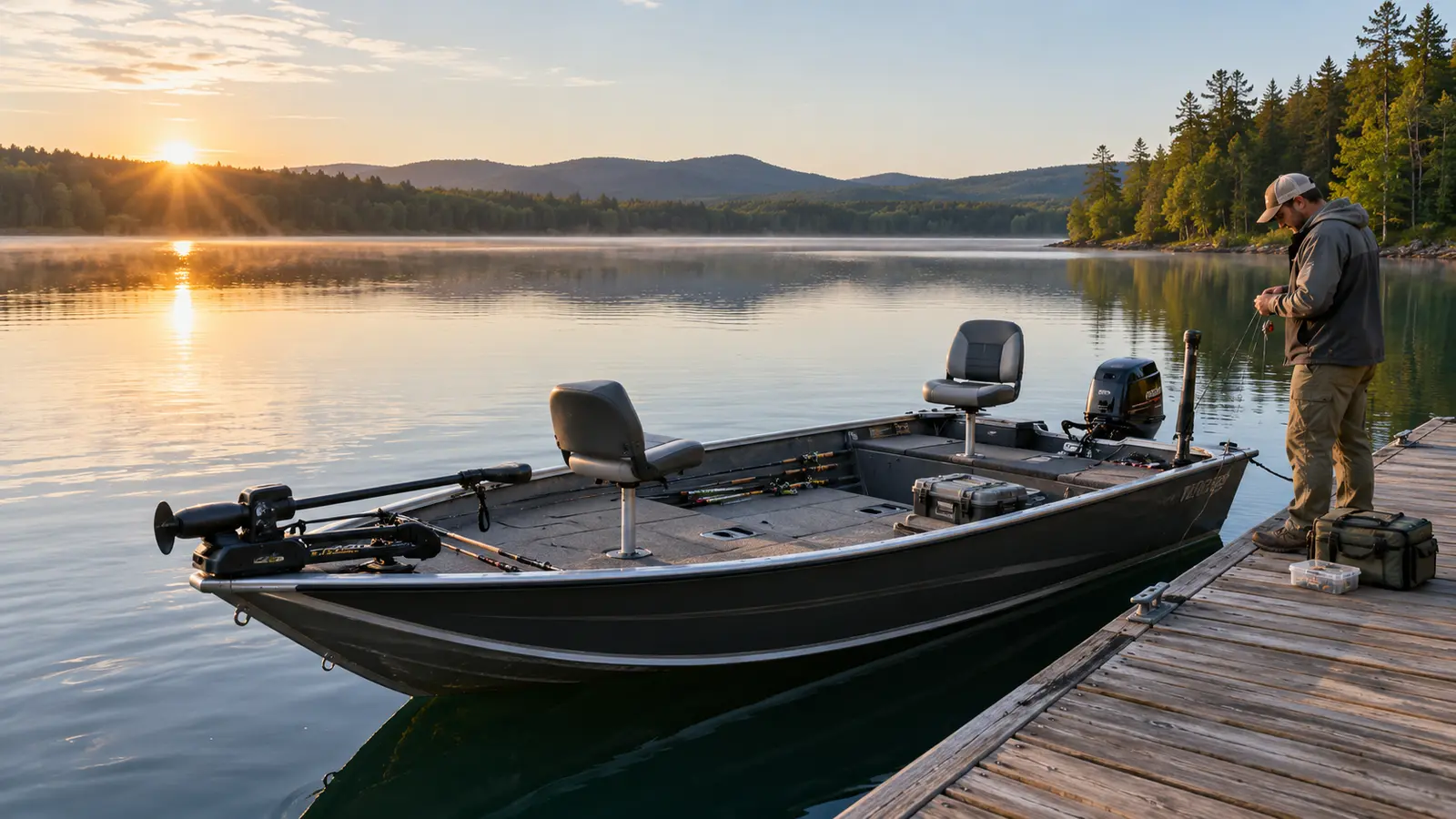
Match the hull, size, layout, power and trailer to the lake and crew you will actually use.
Read guide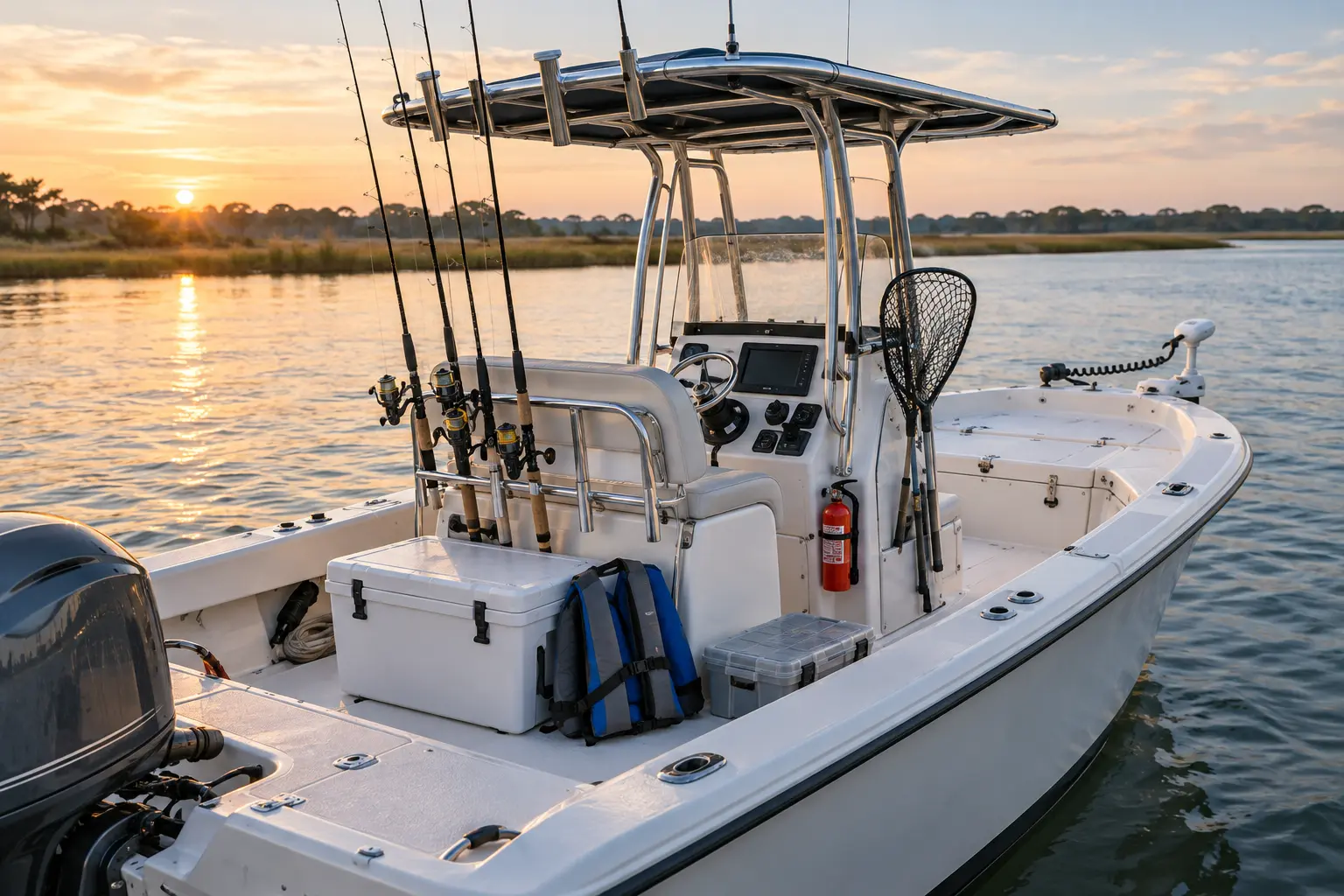
Build a first-trip checklist around safety, current regulations, compact tackle, secure storage and changing conditions.
Read guide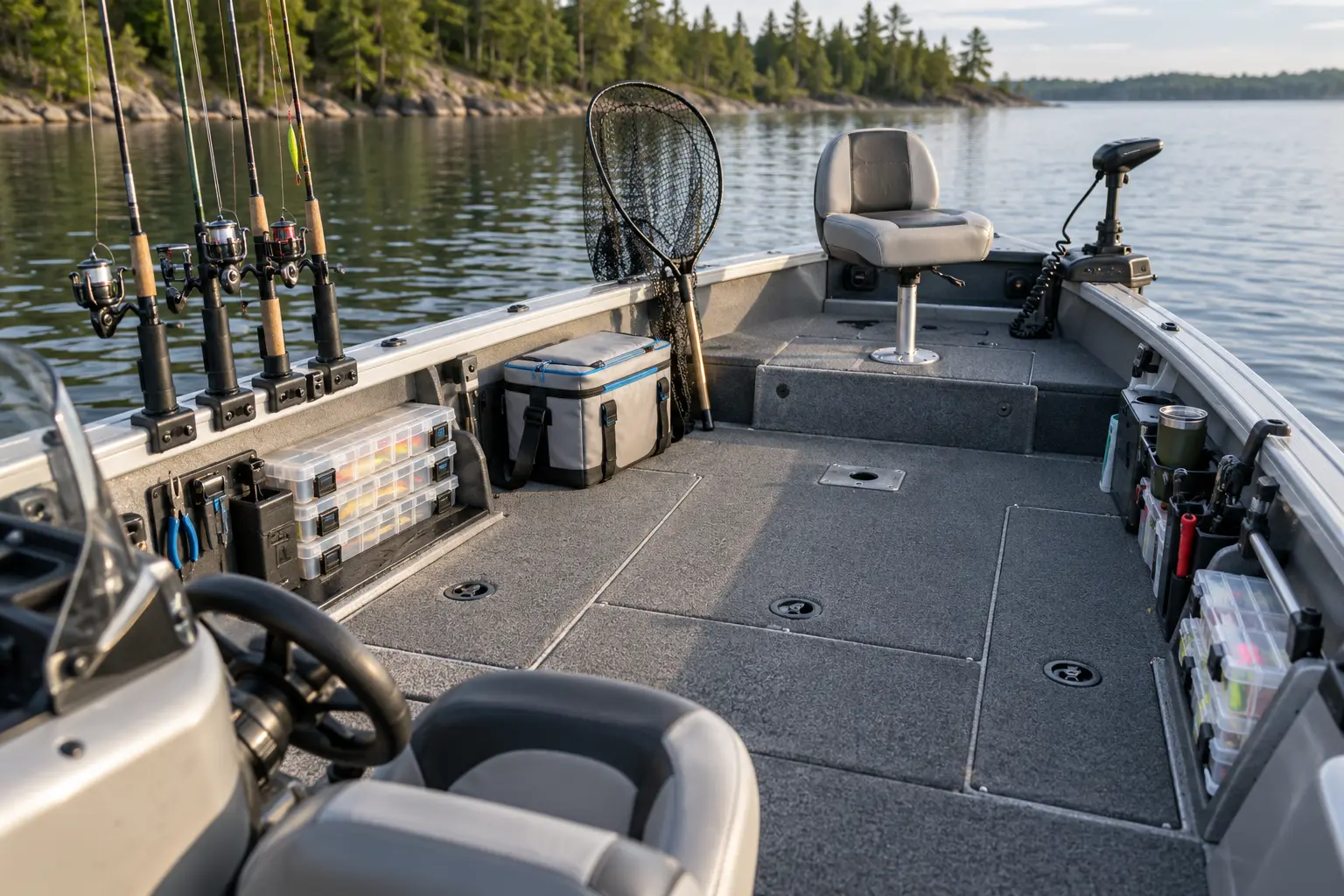
Use clear movement zones and secure rods, tackle, nets, coolers and tools without blocking safety equipment.
Read guide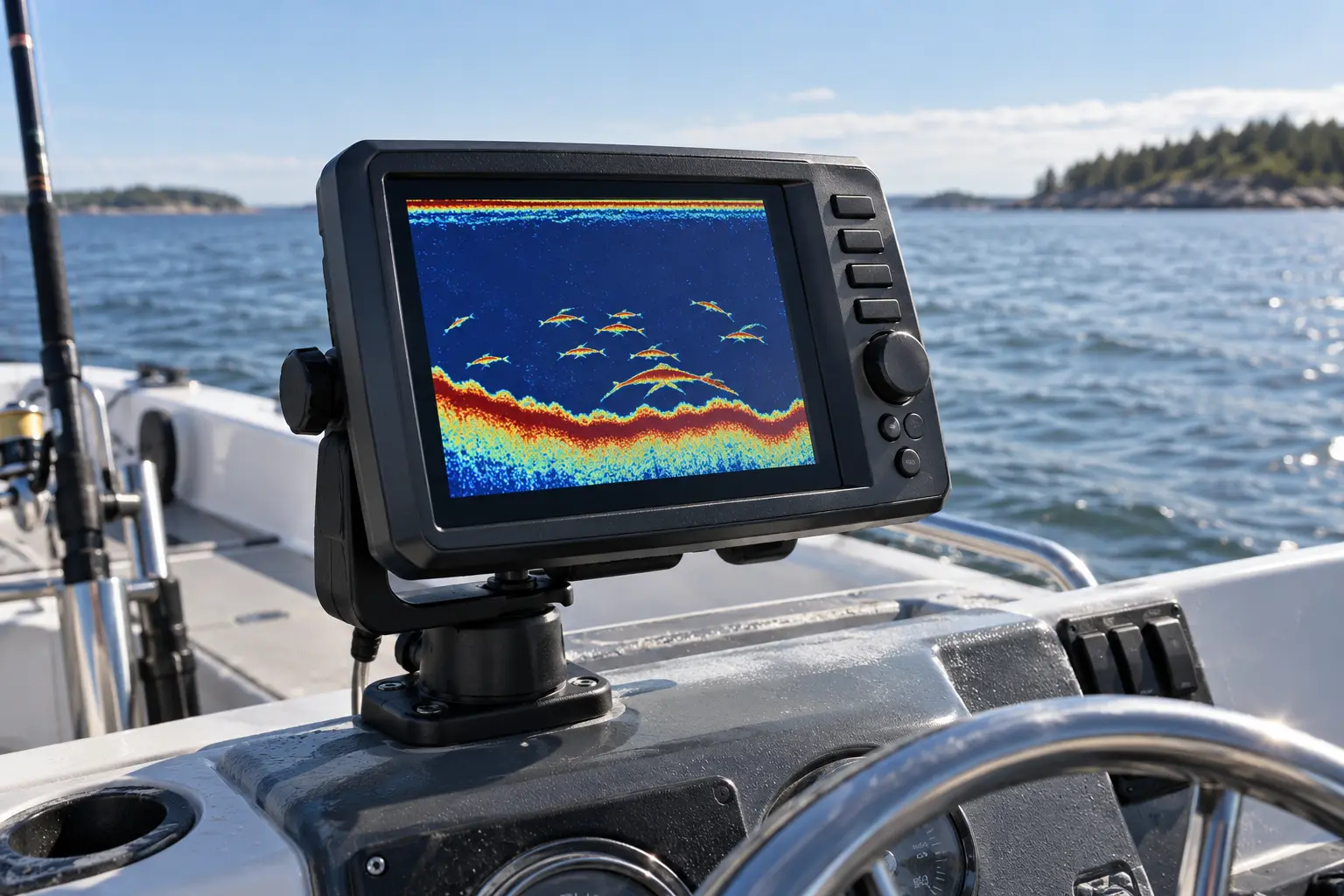
Match sonar, GPS, mapping, display, transducer and installation requirements to your boat and water.
Read guideGPS is useful for returning to productive locations, navigation context and speed data, but mapping coverage varies. NOAA provides official electronic navigational charts for U.S. waters.
Traditional 2D sonar is the simplest starting point. Down imaging, side imaging and live sonar add detail or coverage when they match the fishing method and budget.
No. Connector, frequency, sonar type, power and software support must match the display manufacturer’s compatibility guidance.
It needs clean water flow, correct angle and clearance from turbulence, the propeller and trailer hardware, following the manufacturer’s template and hull guidance.
It can be valuable for scanning structure away from the boat, but benefit depends on water depth, fishing style, installation quality, screen size and budget.
Balance viewing distance, split-screen use, mounting space, power draw and budget. Our fish finder buying guide connects the display choice to sonar, mapping and transducer needs.
Only completed, source-checked product reviews are listed as recommendations.
A manual-first walkthrough for the standard and DI packages.
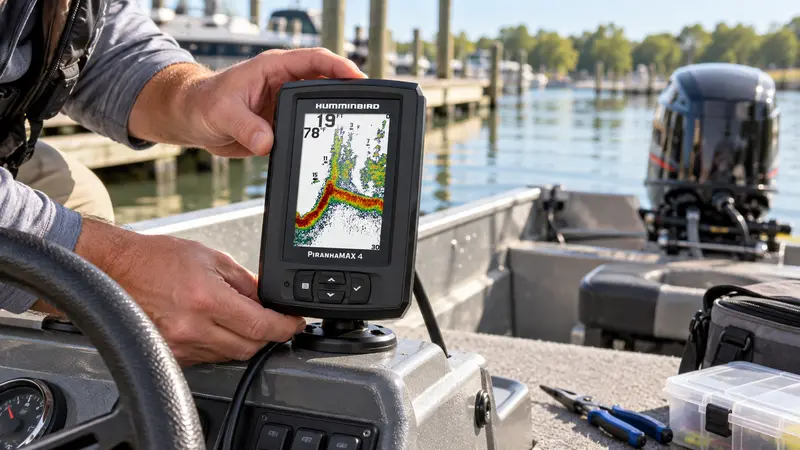
Mount the display and transducer, route cables, connect power safely and complete the in-water test.
Open the installation guide →