Start with the use case
Define the task, boat type, operating conditions and people who will use the equipment before comparing products.
The best accessory solves a real onboard problem without blocking movement, controls, hatches or required safety equipment.
Reviewed October 1, 2026
Define the task, boat type, operating conditions and people who will use the equipment before comparing products.
Check dimensions, mounting surfaces, cable or line routes, corrosion exposure and access for inspection.
Keep walkways, controls, visibility, emergency equipment and boarding areas clear after installation.
Browse the newest boat ownership articles. Up to 16 appear on each page.
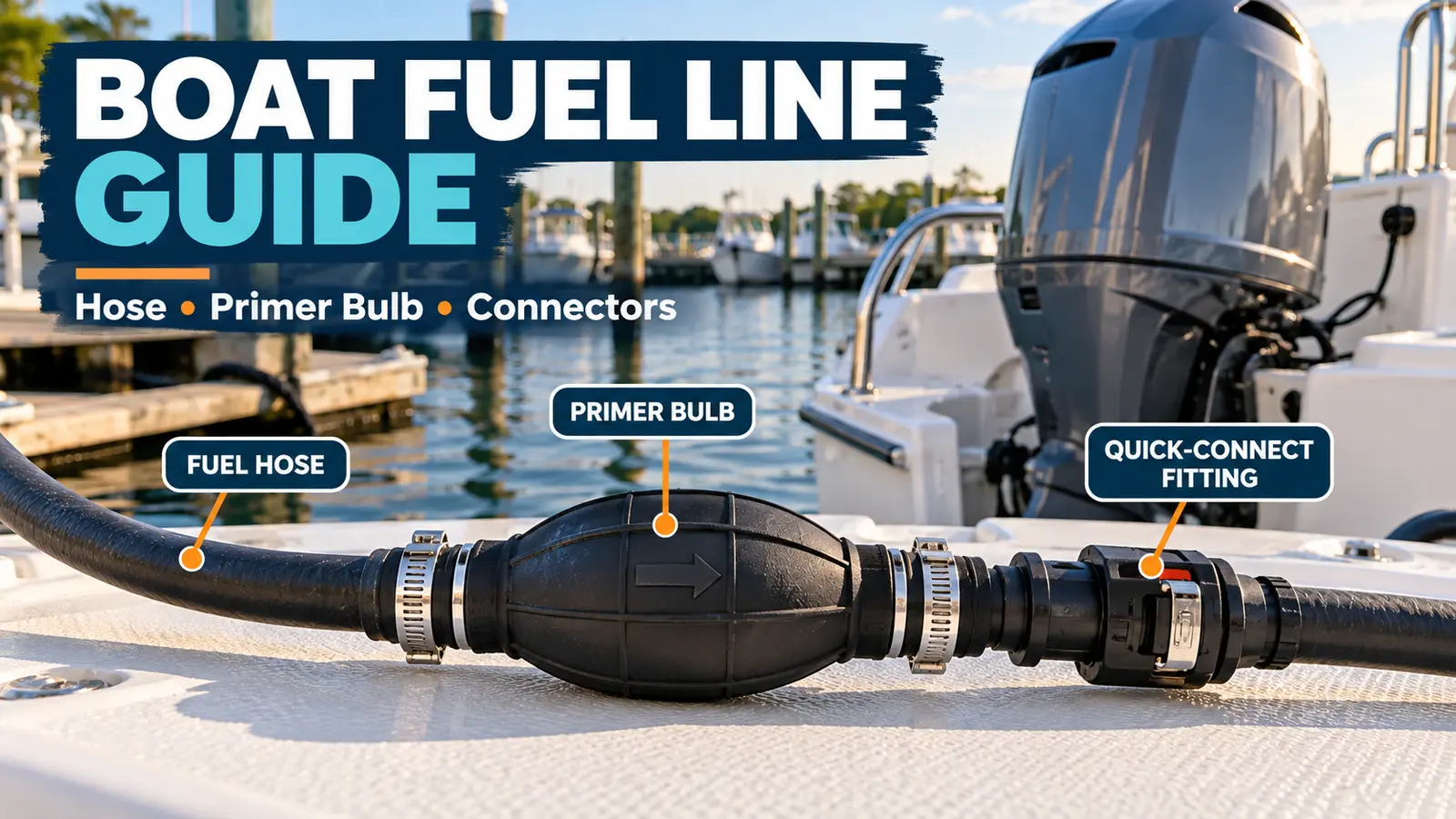
Choose hose rating, size, primer bulb, connectors and routing as one matched fuel path.
Read guide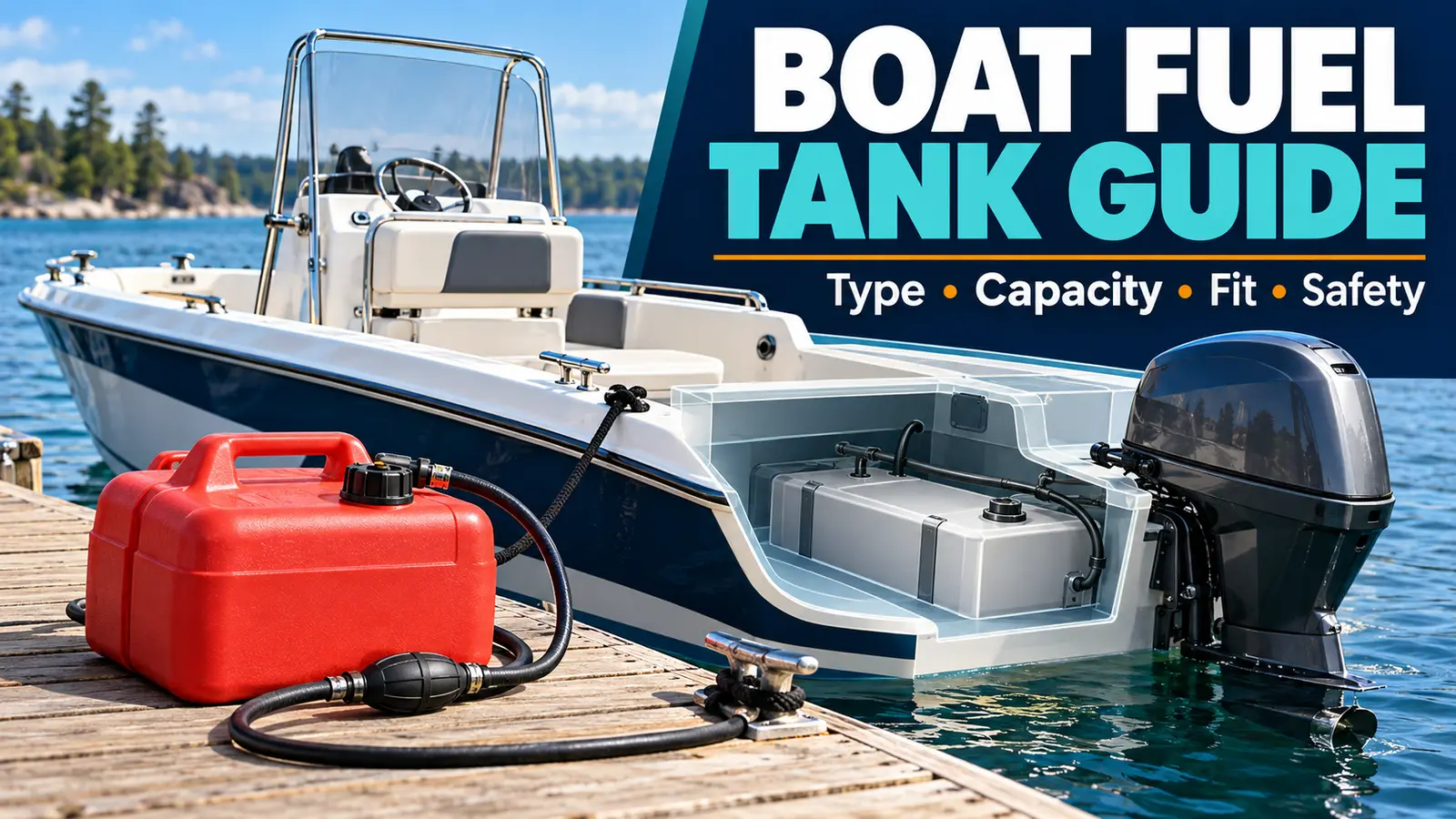
Compare portable and permanent tanks, then check capacity, venting, connections and safe fit.
Read guide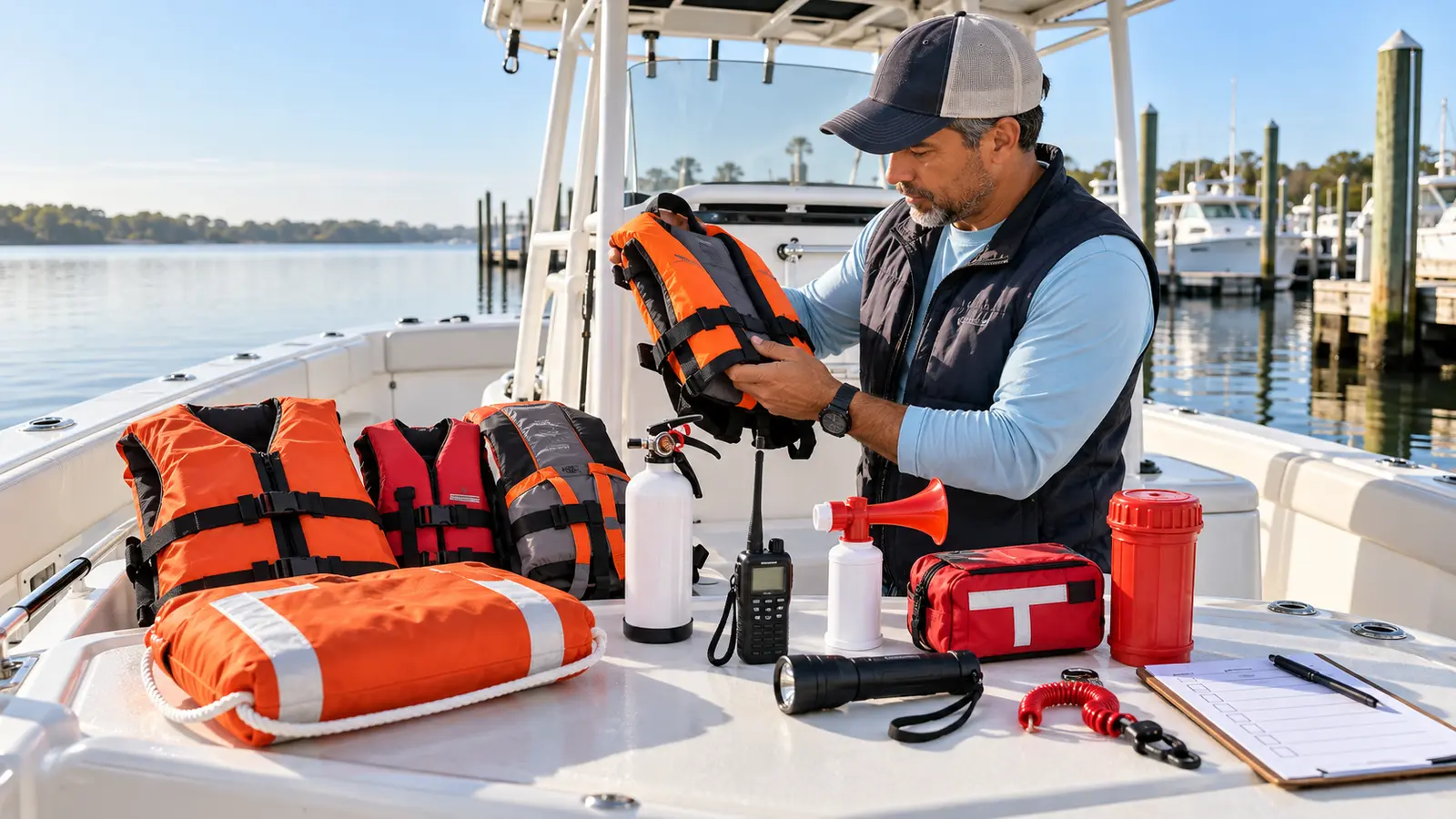
Match required gear to vessel length, propulsion and waters, then verify condition and access.
Read guide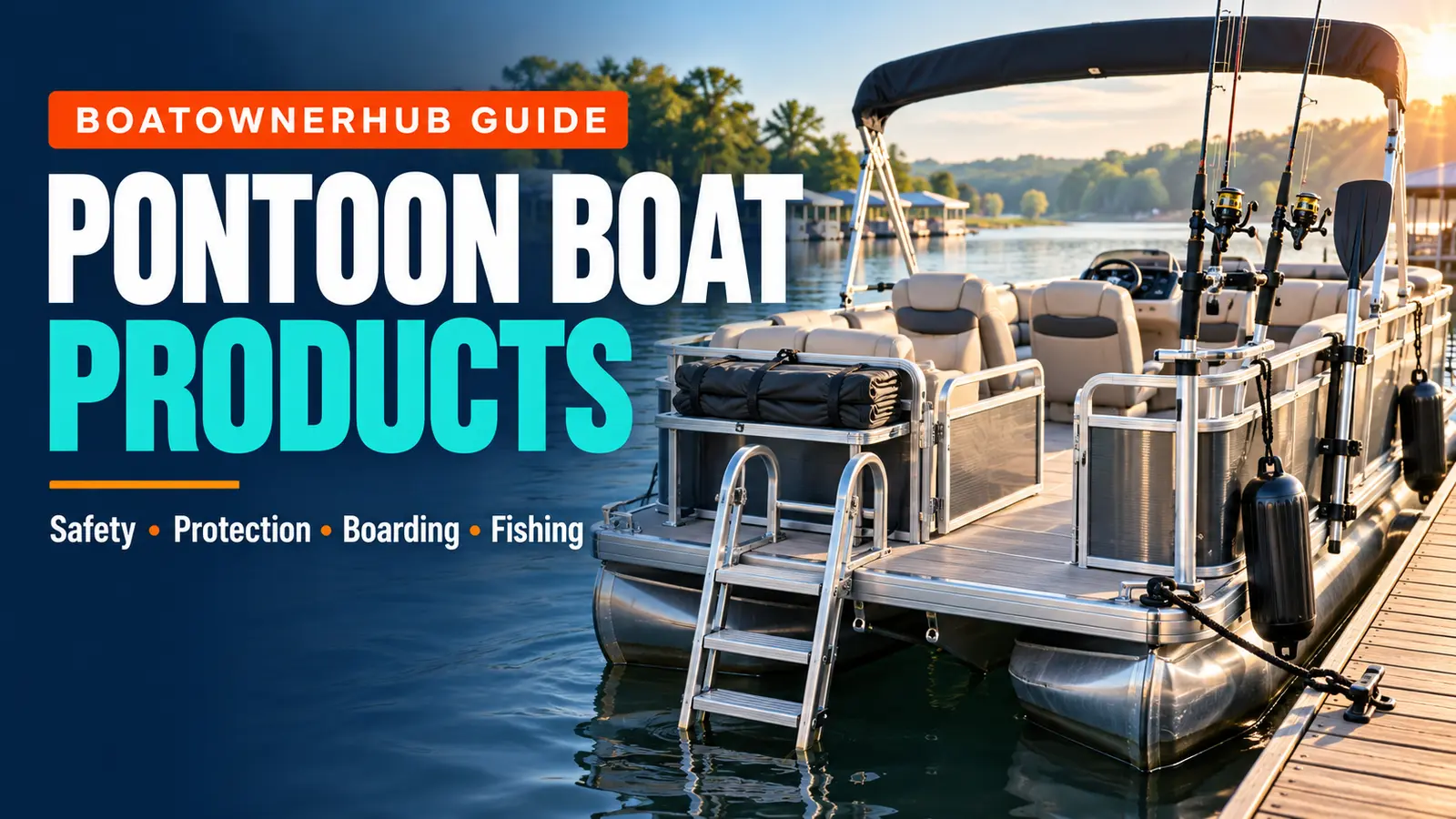
Prioritize safety, boarding, protection and fishing upgrades, then verify fit before buying.
Read guide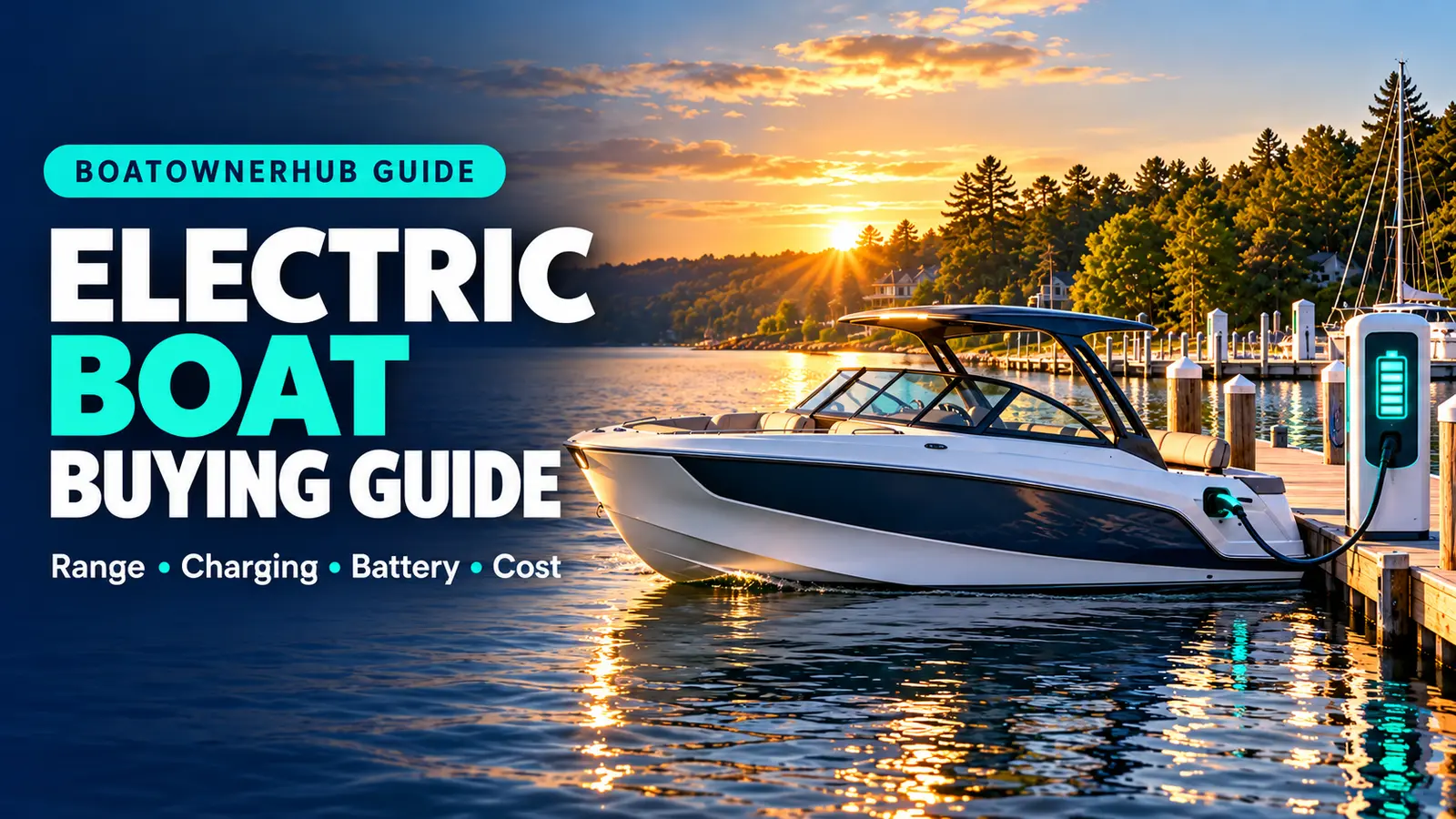
Compare range, charging, battery support, performance and ownership cost before choosing an electric boat.
Read guide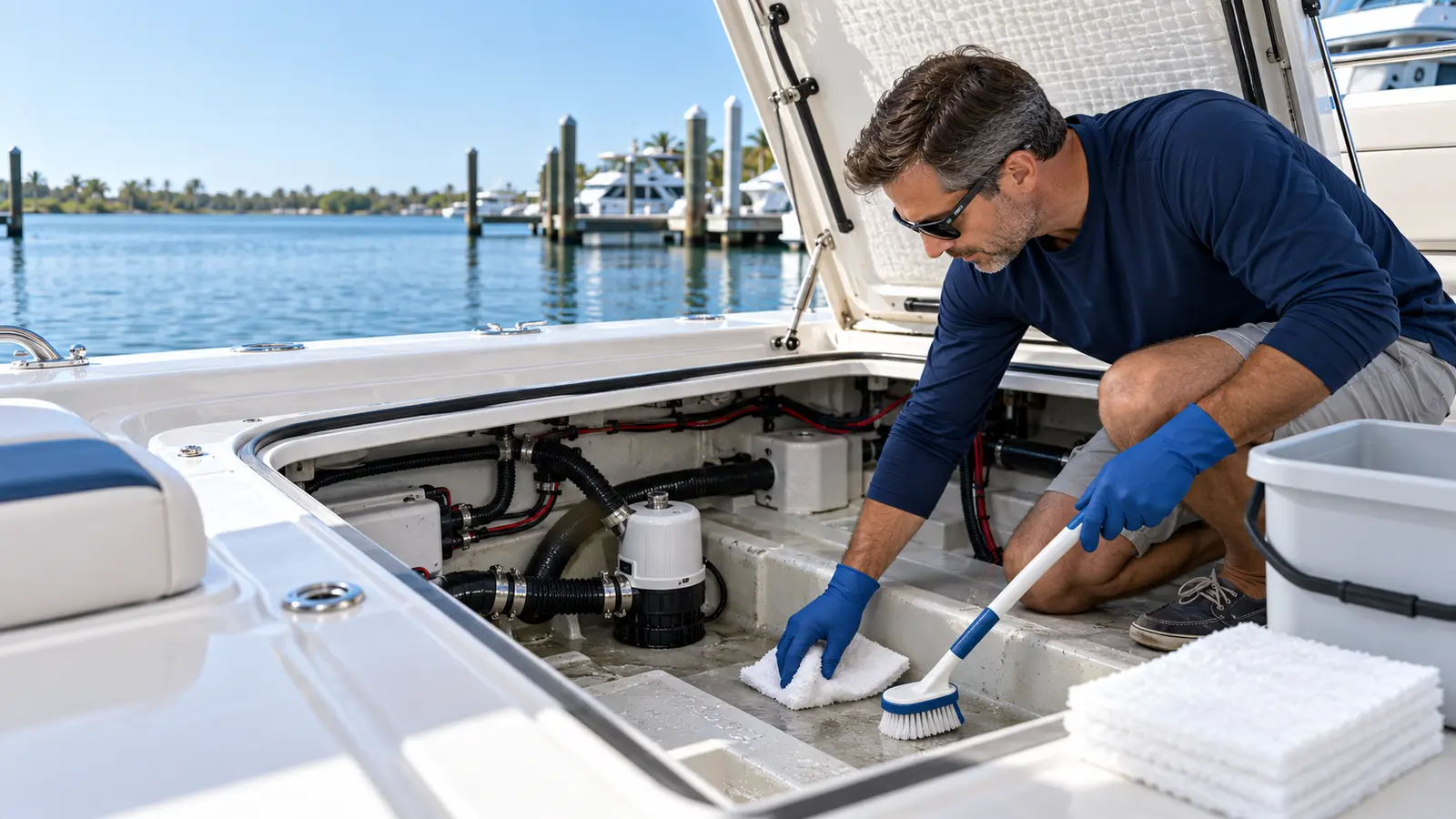
Contain oily water, clean in a safe order and leave the pump ready to work.
Read guide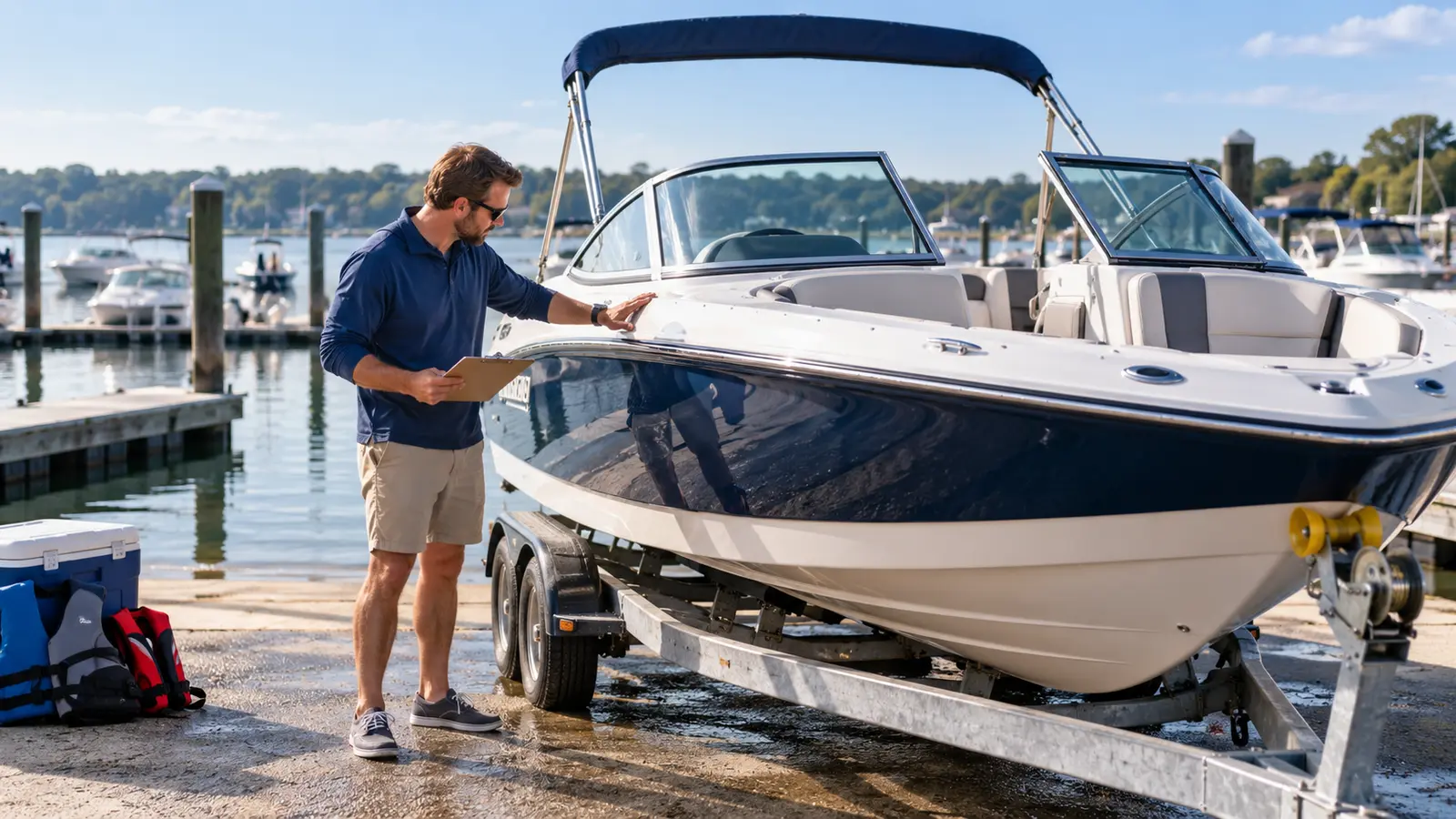
Choose a manageable first boat, price the full ownership plan and verify the hull, engine, trailer and paperwork.
Read guide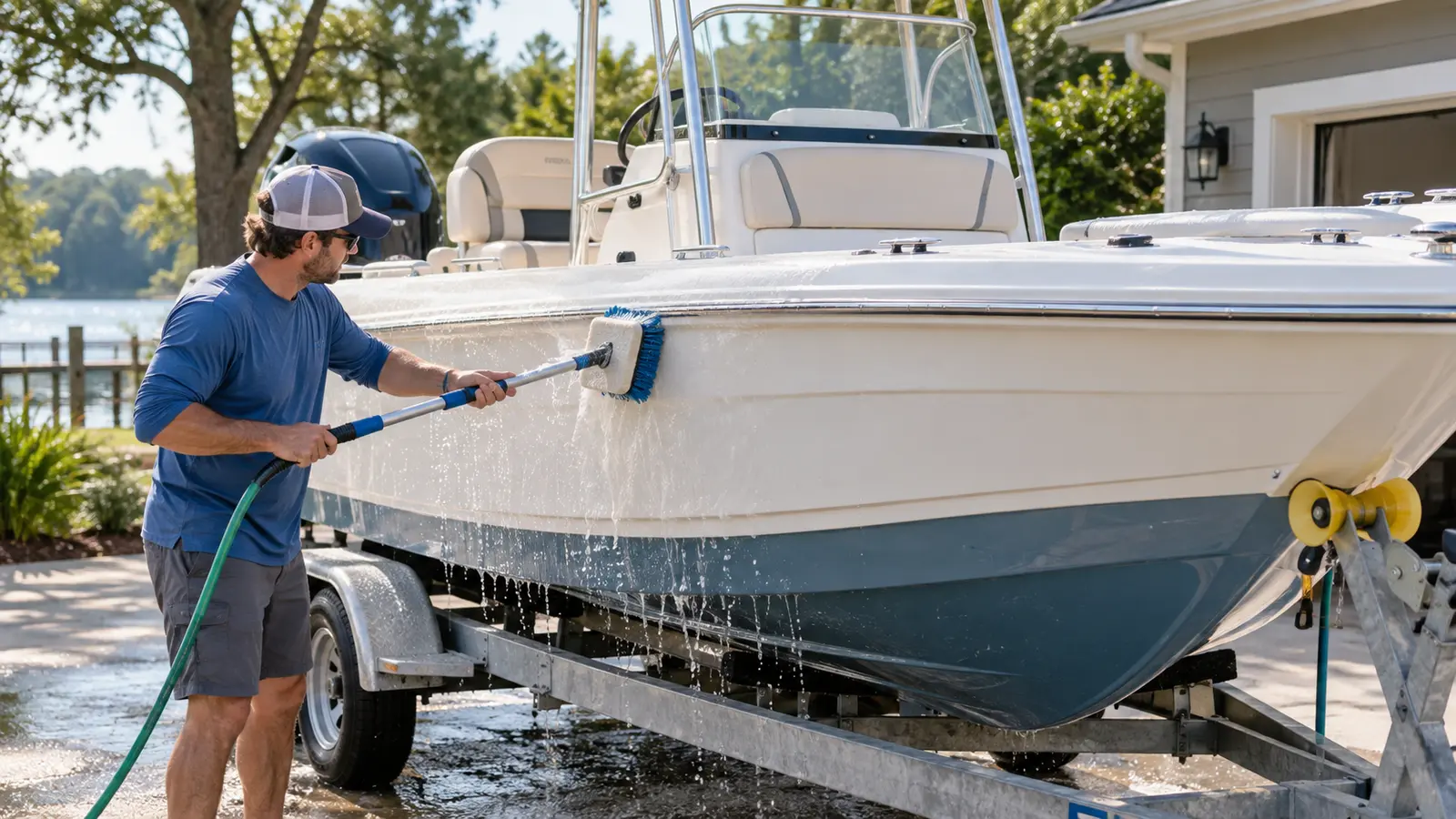
Use a surface-safe wash sequence for the hull, deck, upholstery, glass, metal, engine exterior and storage areas.
Read guide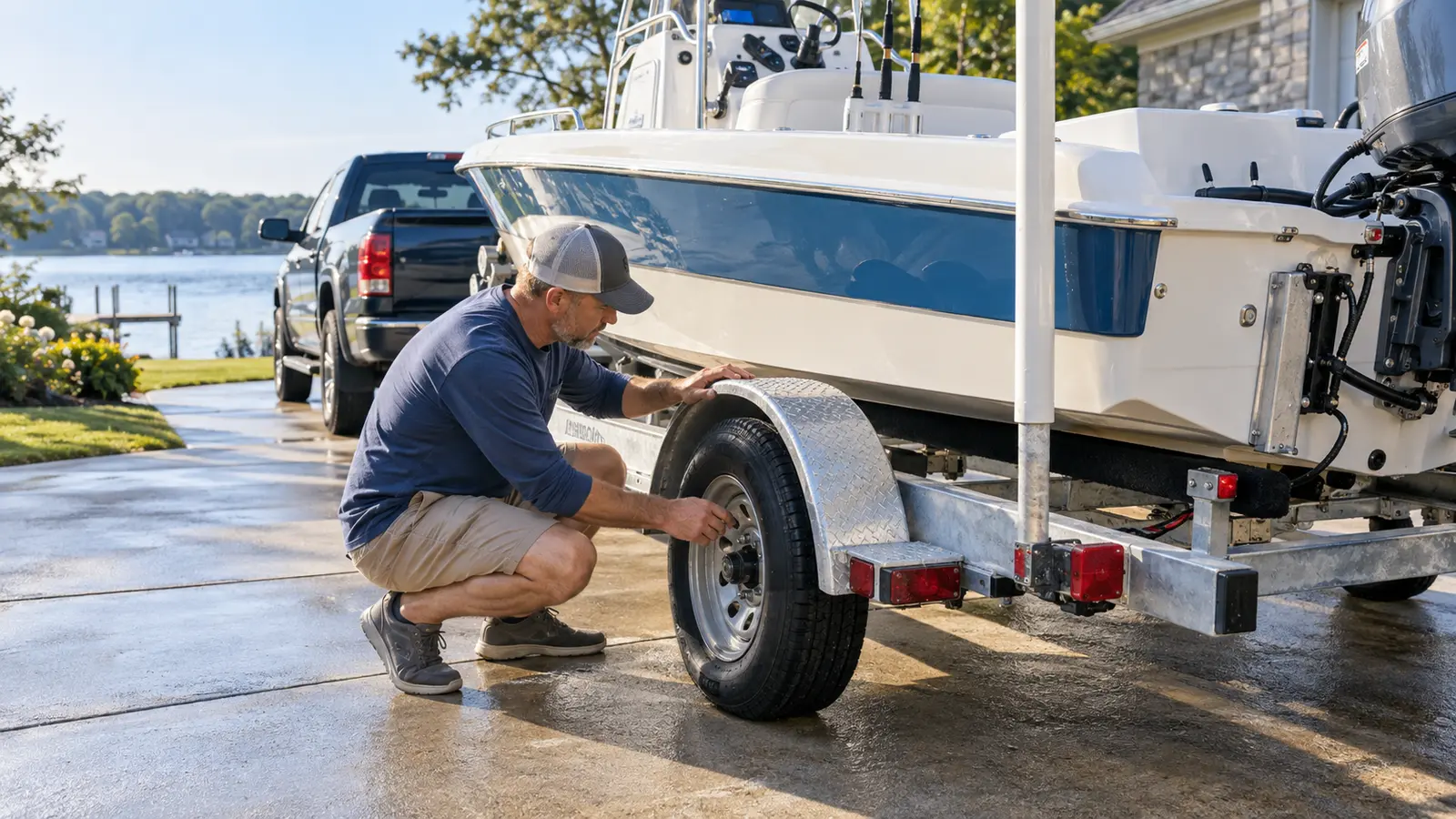
Inspect tires, bearings, brakes, lights, coupling hardware, supports and corrosion-prone parts.
Read guide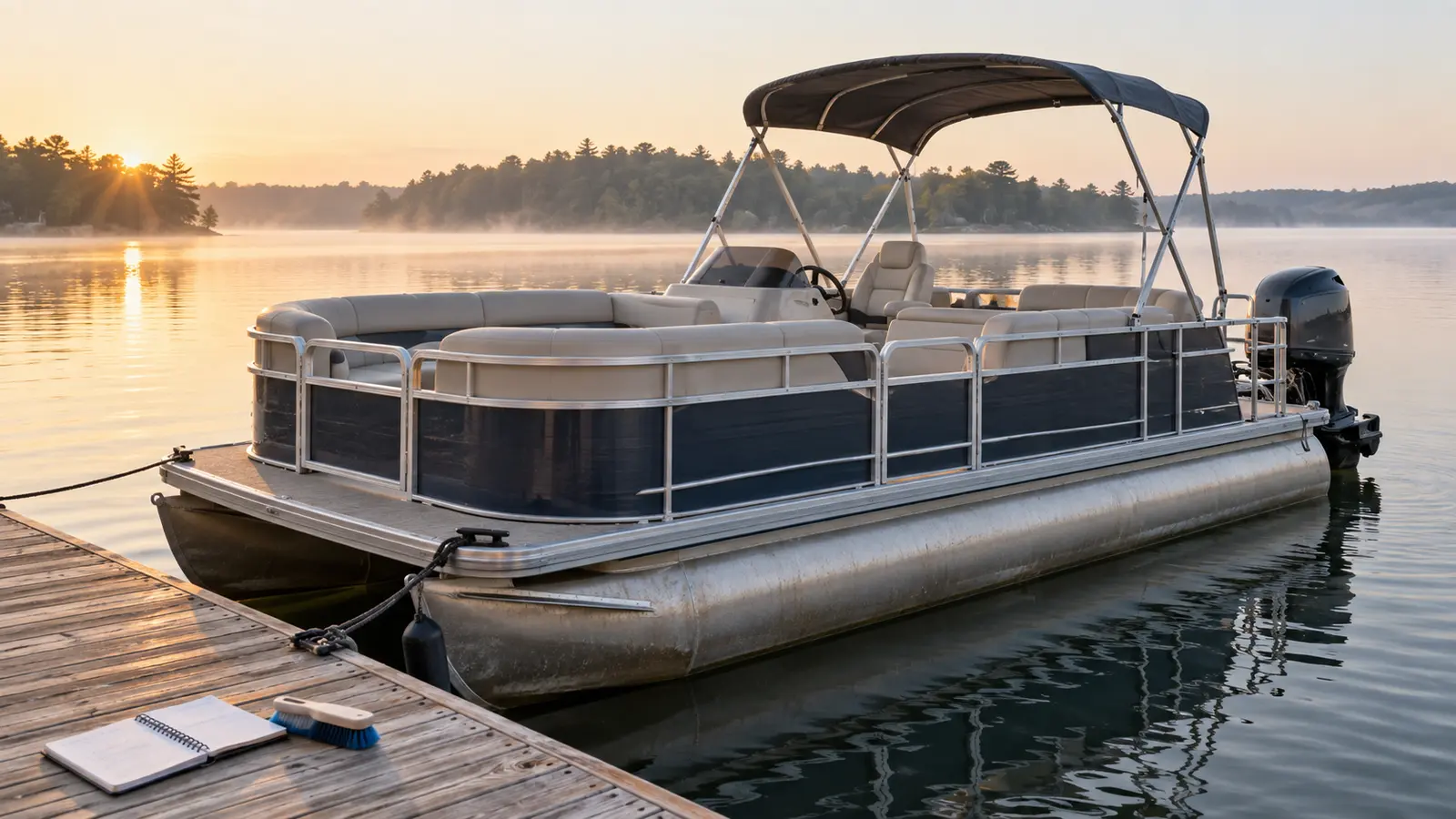
Build a practical routine for pontoons, upholstery, hardware, systems, the outboard, trailer and seasonal storage.
Read guide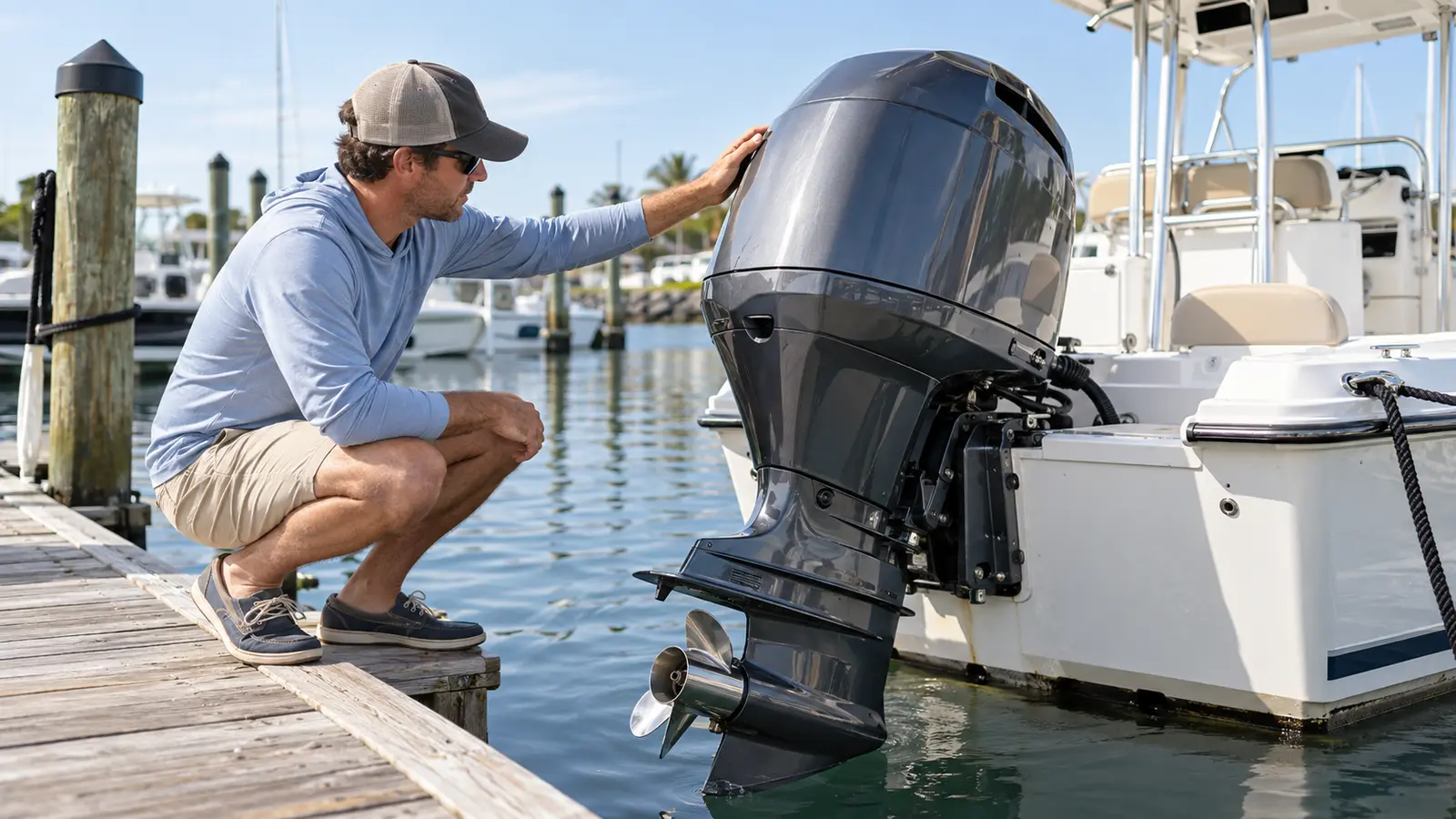
Build a manual-first routine for inspections, flushing, fluids, the propeller, fuel and corrosion care.
Read guide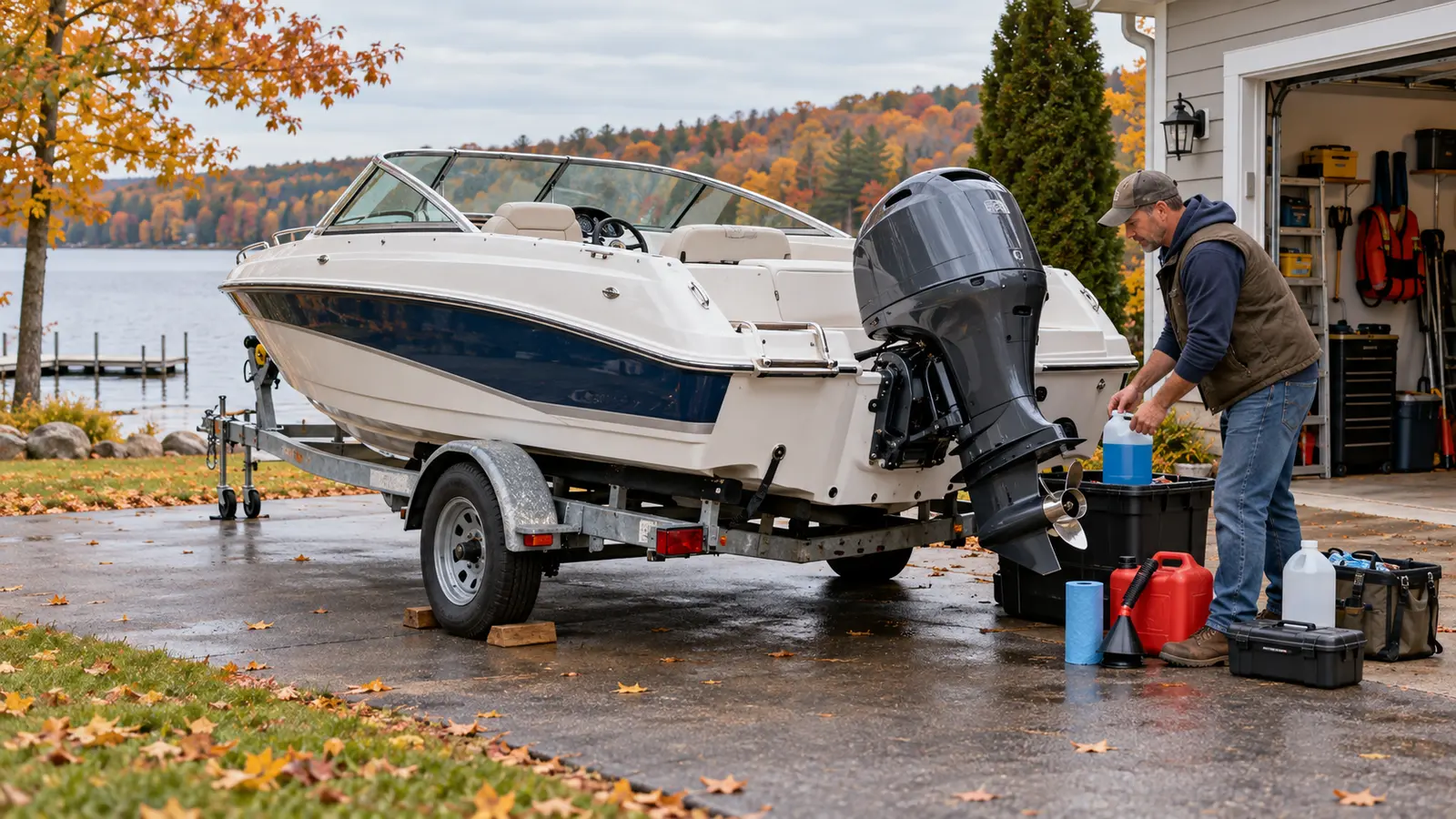
A complete system-by-system guide with engine types, costs, mistakes, FAQs and a printable checklist.
Read guide
Build a realistic annual budget with cost drivers, worked examples and an interactive calculator.
Read guide
Match the charger to the chemistry and follow a safer inspection and connection sequence.
Read guide
Understand resting voltage, load tests and the measurements that can mislead owners.
Read guide
See what shortens service life, which warning signs matter and when to test.
Read guide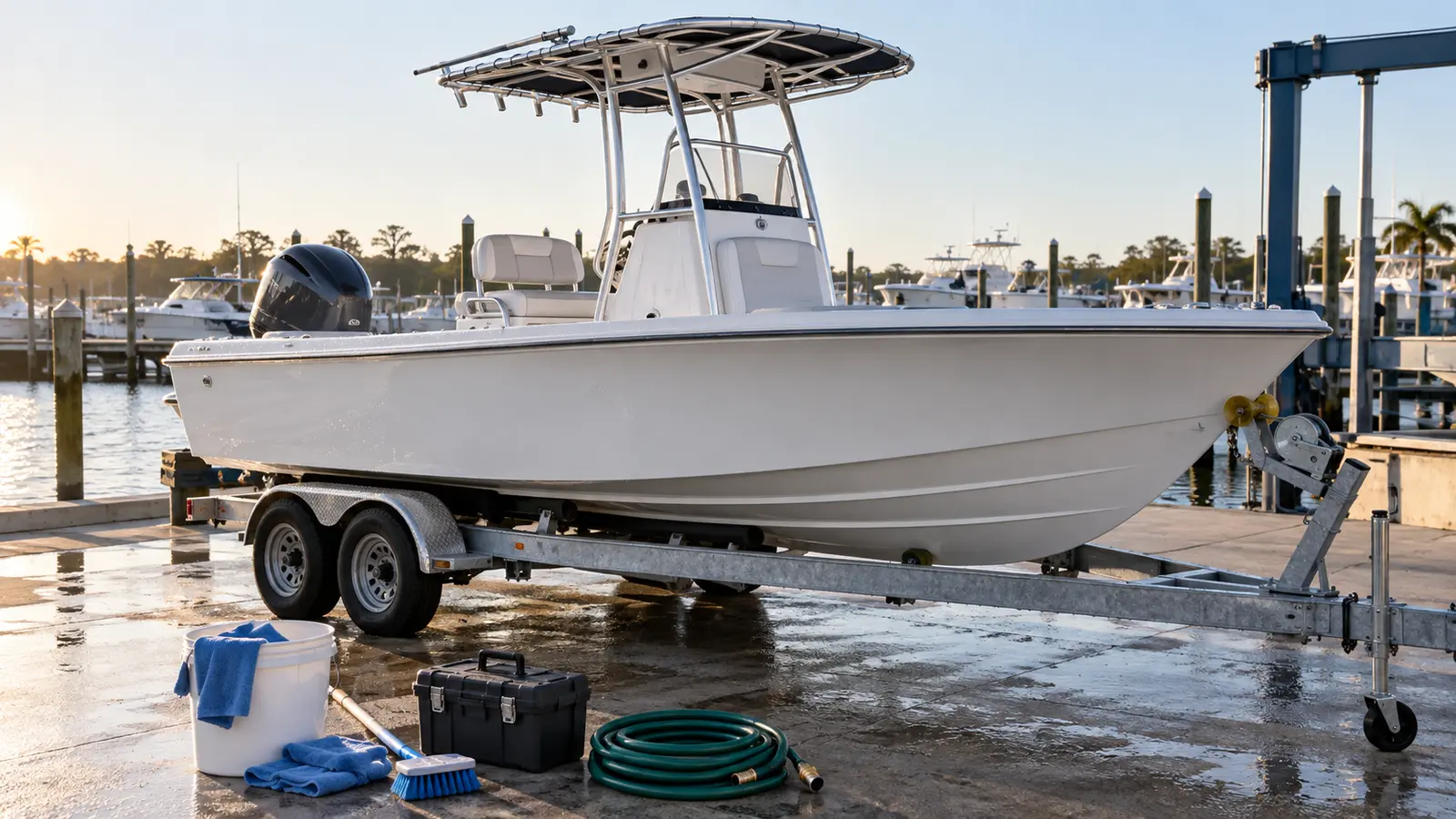
Follow a complete schedule for trip checks, monthly inspections, annual service and trailer care.
Read guide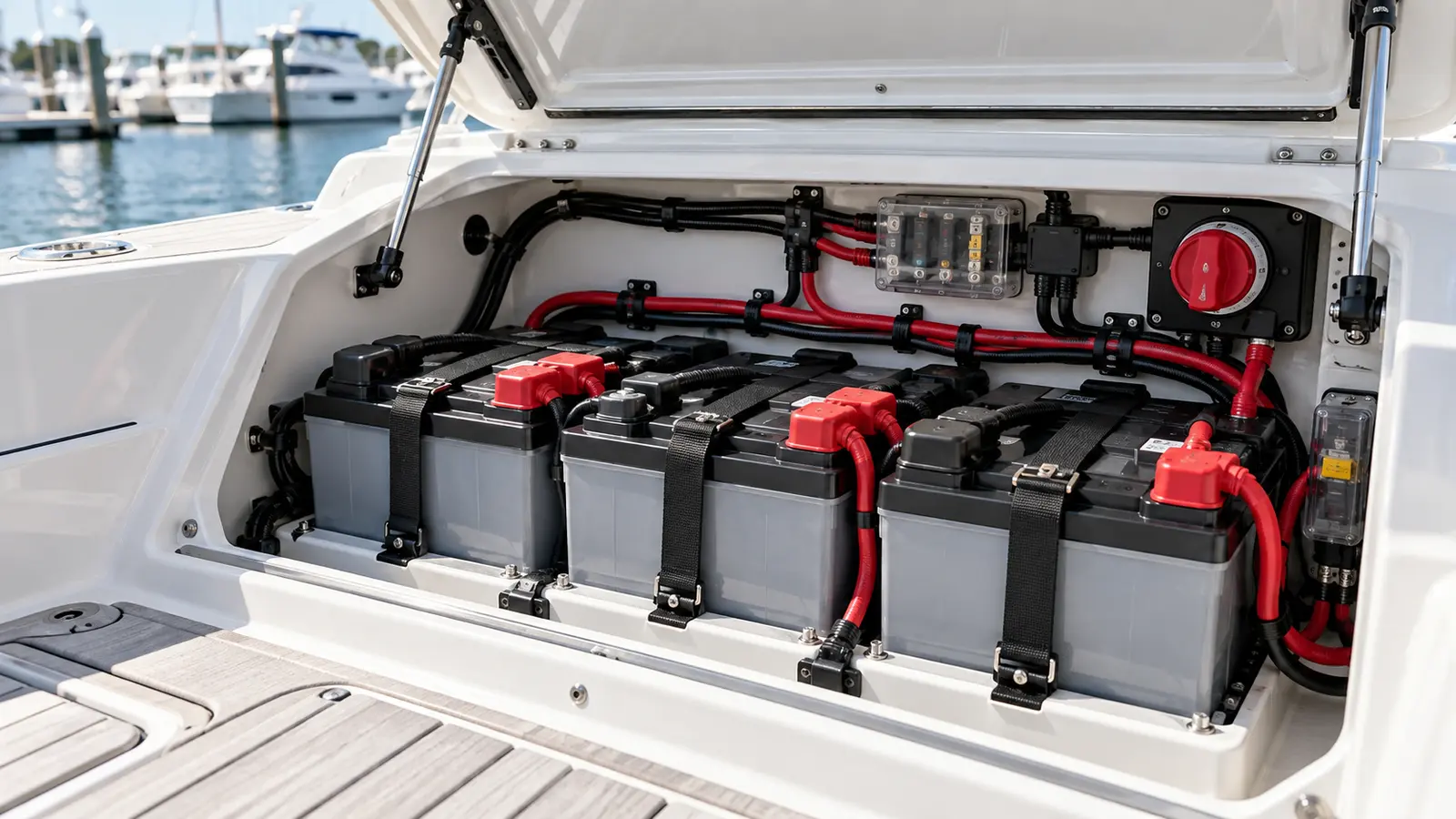
Diagnose battery condition, charging, connections, hidden loads and bank capacity in a safe order.
Read guide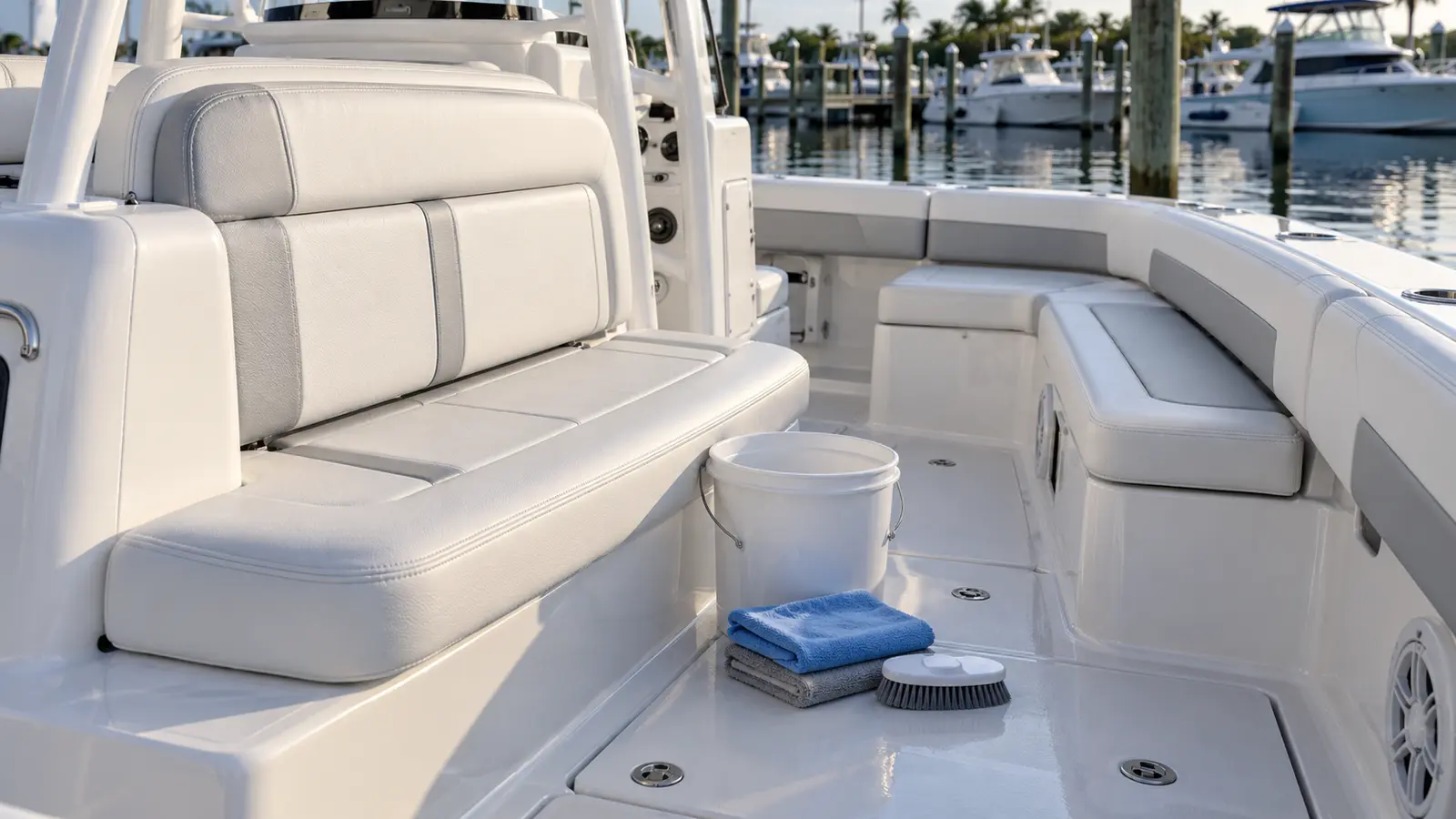
Use a material-safe method for routine dirt, stubborn stains, mildew, complete drying and prevention.
Read guide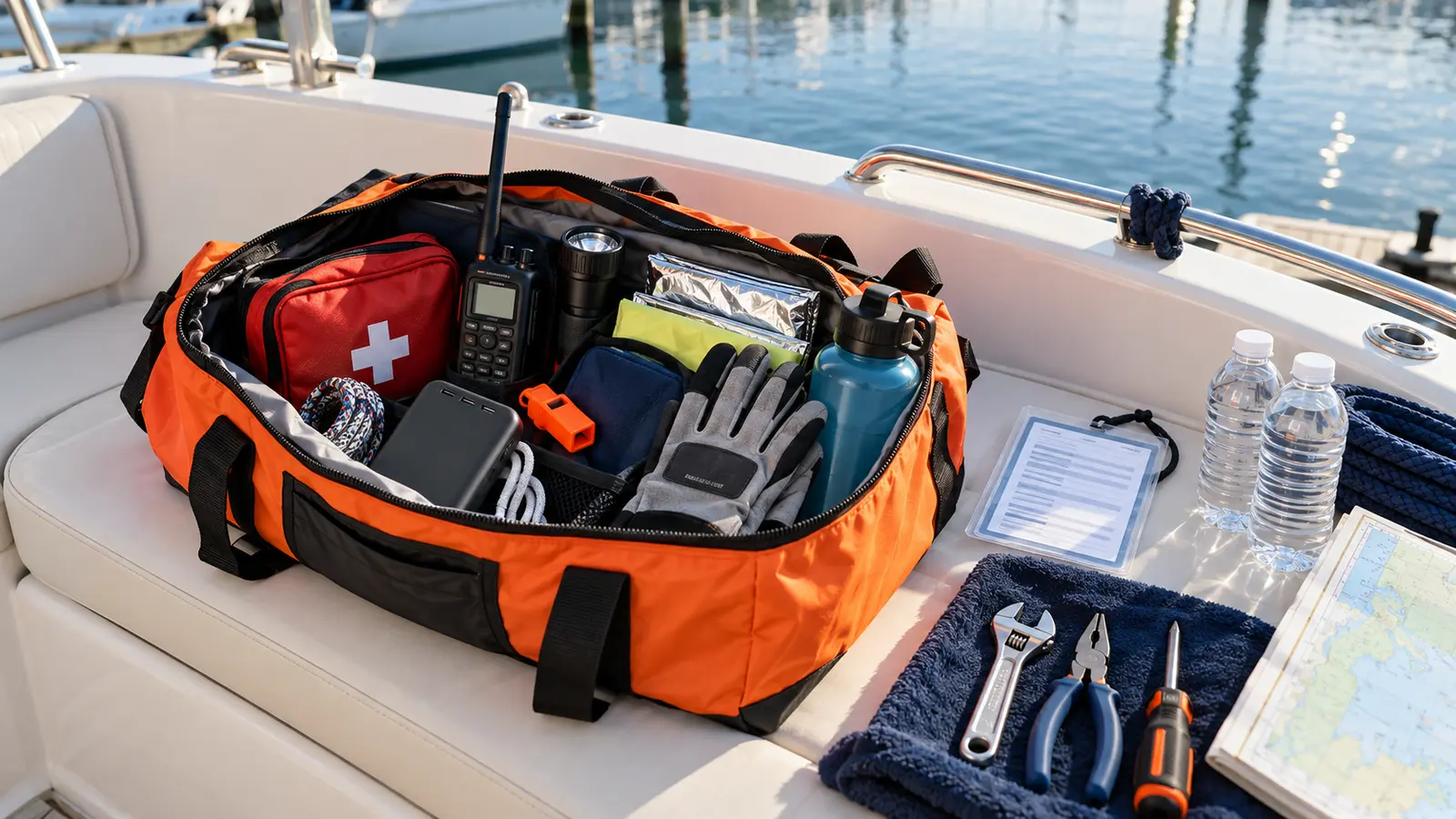
Build a reachable kit for communications, first aid, signaling, exposure, backup power and boat-specific damage control.
Read guide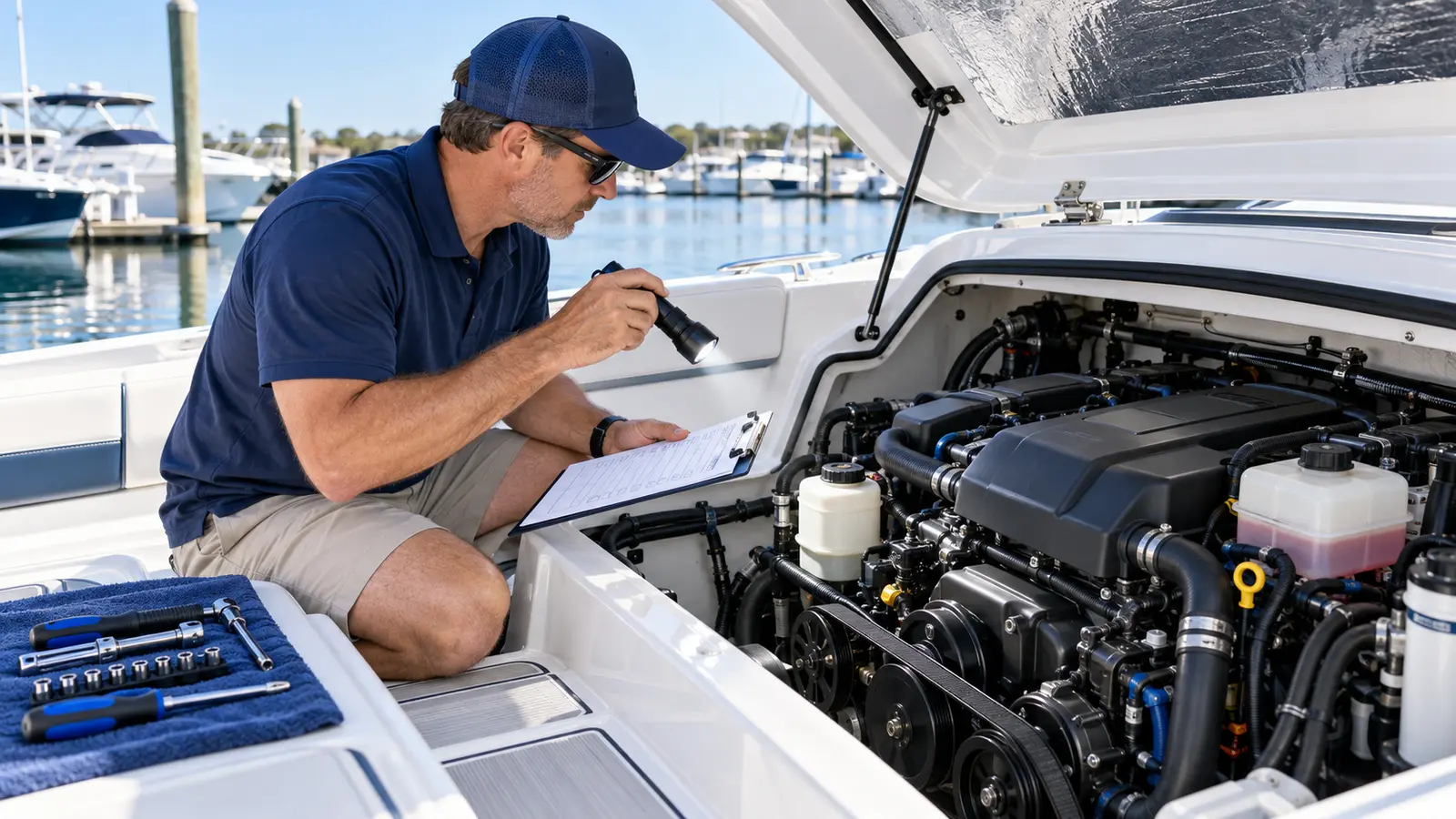
Build a manual-first plan for fuel, cooling, fluids, electrical systems, exhaust and running gear.
Read guide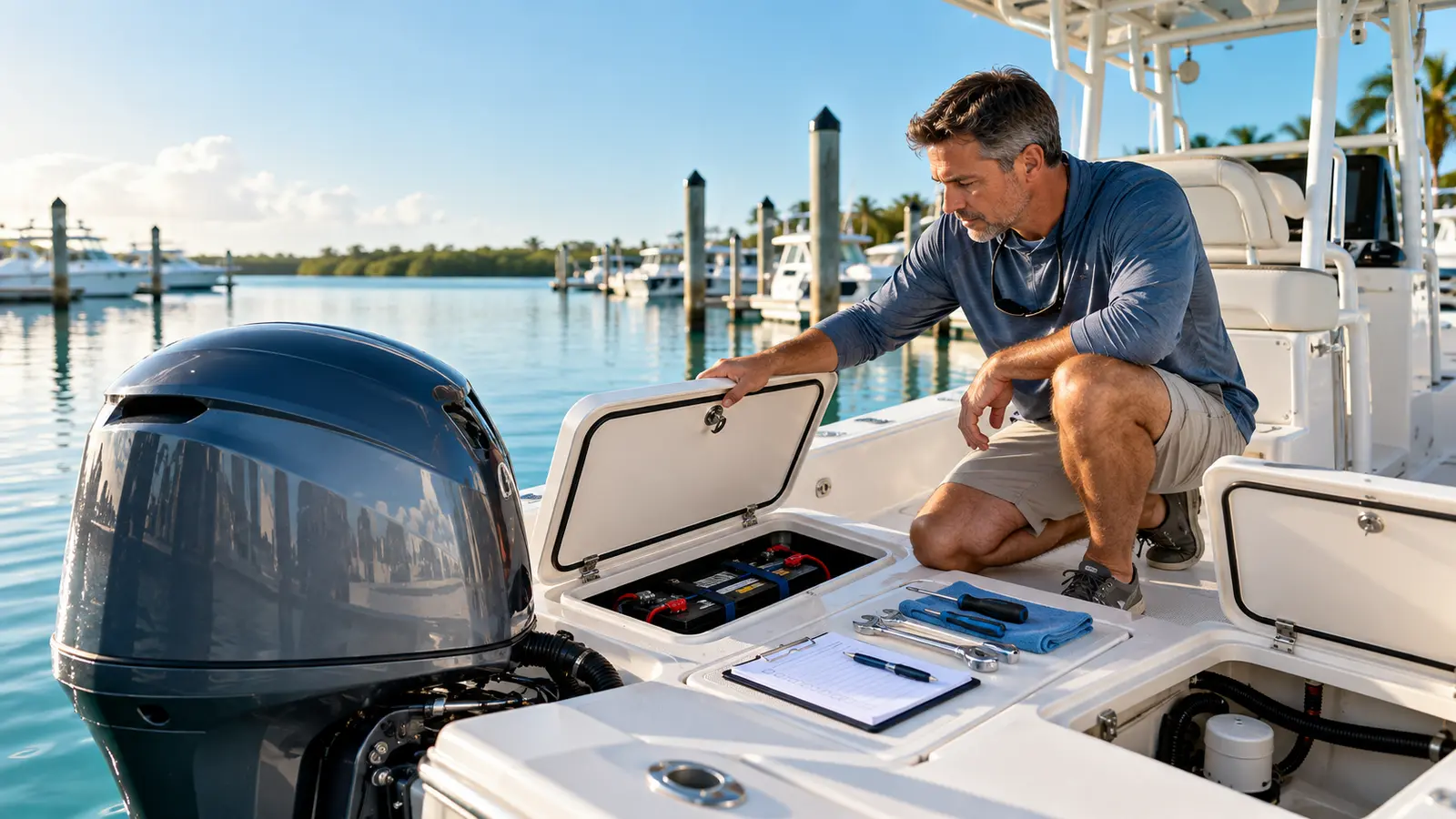
Triage no-start, overheat, fuel, battery, bilge, steering and vibration symptoms in a safer order.
Read guide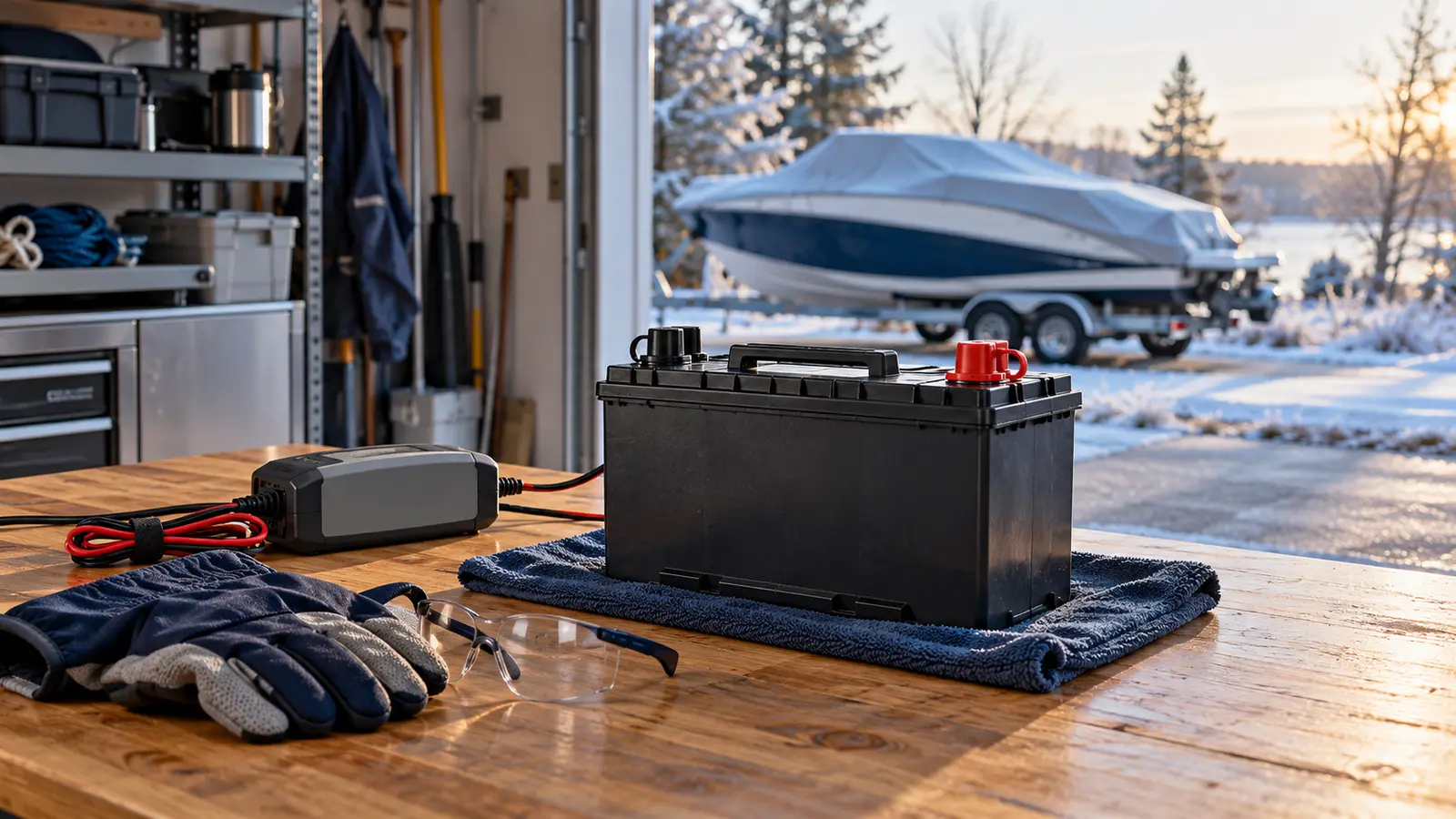
Prepare, isolate and monitor a marine battery through winter with a chemistry-first storage plan.
Read guide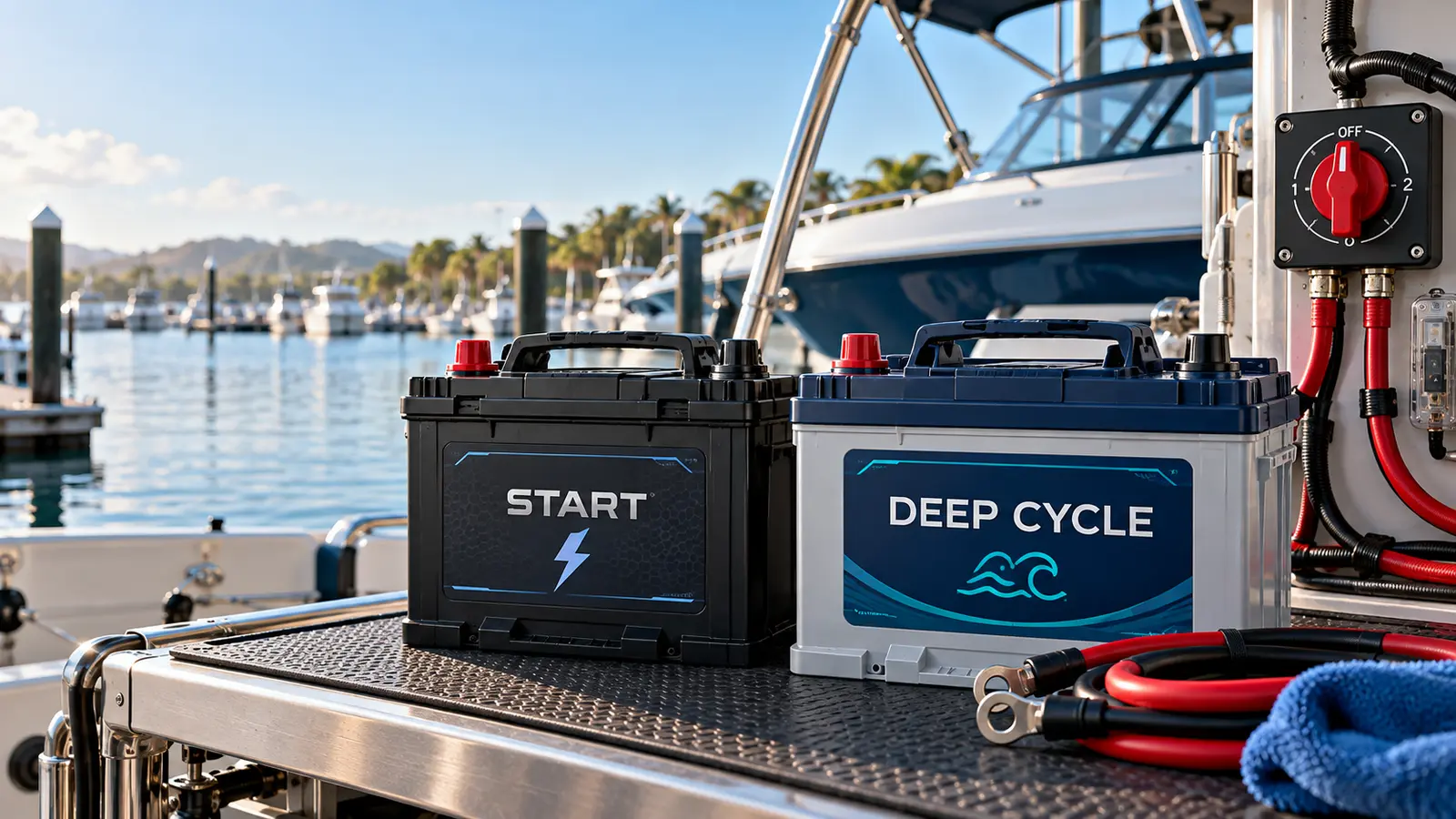
Compare cranking output, cycling, ratings and bank layouts before choosing a marine battery.
Read guide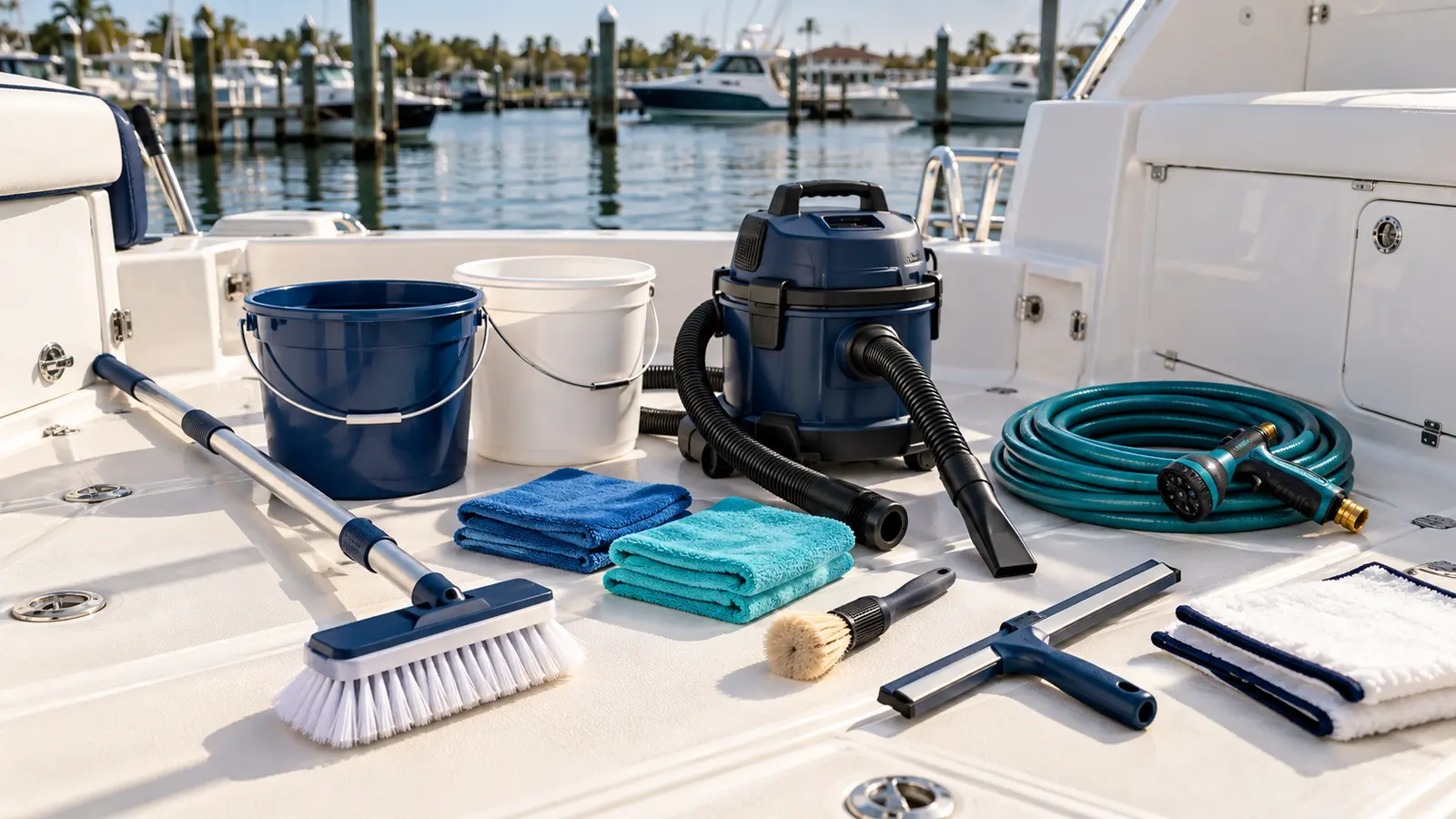
Build a compact surface-aware kit with the brushes, cloths, hose gear and vacuum tools that solve real cleaning jobs.
Read guide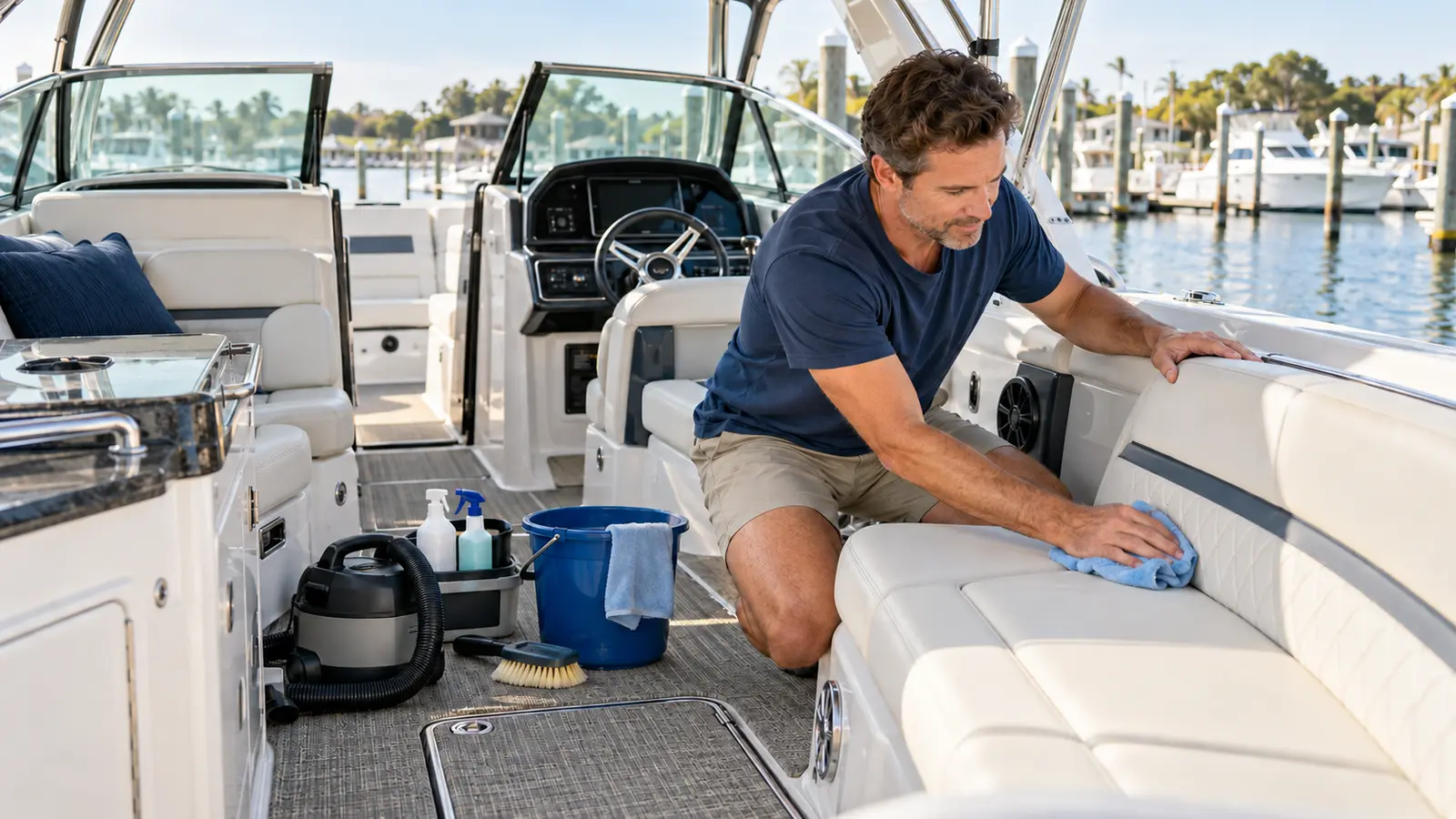
Clean vinyl, fabric, flooring, hard panels, windows and helm areas without treating them as one material.
Read guideStart with required safety equipment and equipment needed for secure docking, anchoring and basic onboard organization. The U.S. Coast Guard federal requirements guide is a useful safety starting point, and state rules may add requirements.
Confirm dimensions, mounting method, load limits, material compatibility and clearance using the exact boat and product documentation.
The answer depends on boat length, hull shape, dock height and exposure. Our boat fender review shows the fit details worth checking.
Match anchor type and size to the boat, expected bottom conditions, wind and current, then verify compatible rode, shackles and storage. See our anchor review example for a specification checklist.
Choose locations that do not weaken structure, hide required equipment, block visibility, obstruct controls or create trip hazards.
They can protect selected items from spray and brief exposure, but closure type and rating matter. See the 5-liter dry bag review for one fit-focused example.
Only completed, source-checked product reviews are listed as recommendations.